Palau is the country that stamps a promise into your passport. Since December 2017 the immigration officer at Roman Tmetuchl International Airport has inked the Palau Pledge onto a page of every arriving passport and asked for a signature beneath it: a short vow, drafted with Palauan schoolchildren and addressed to them, to tread lightly, act kindly and explore mindfully. It is the first environmental pledge written into any nation's entry law.
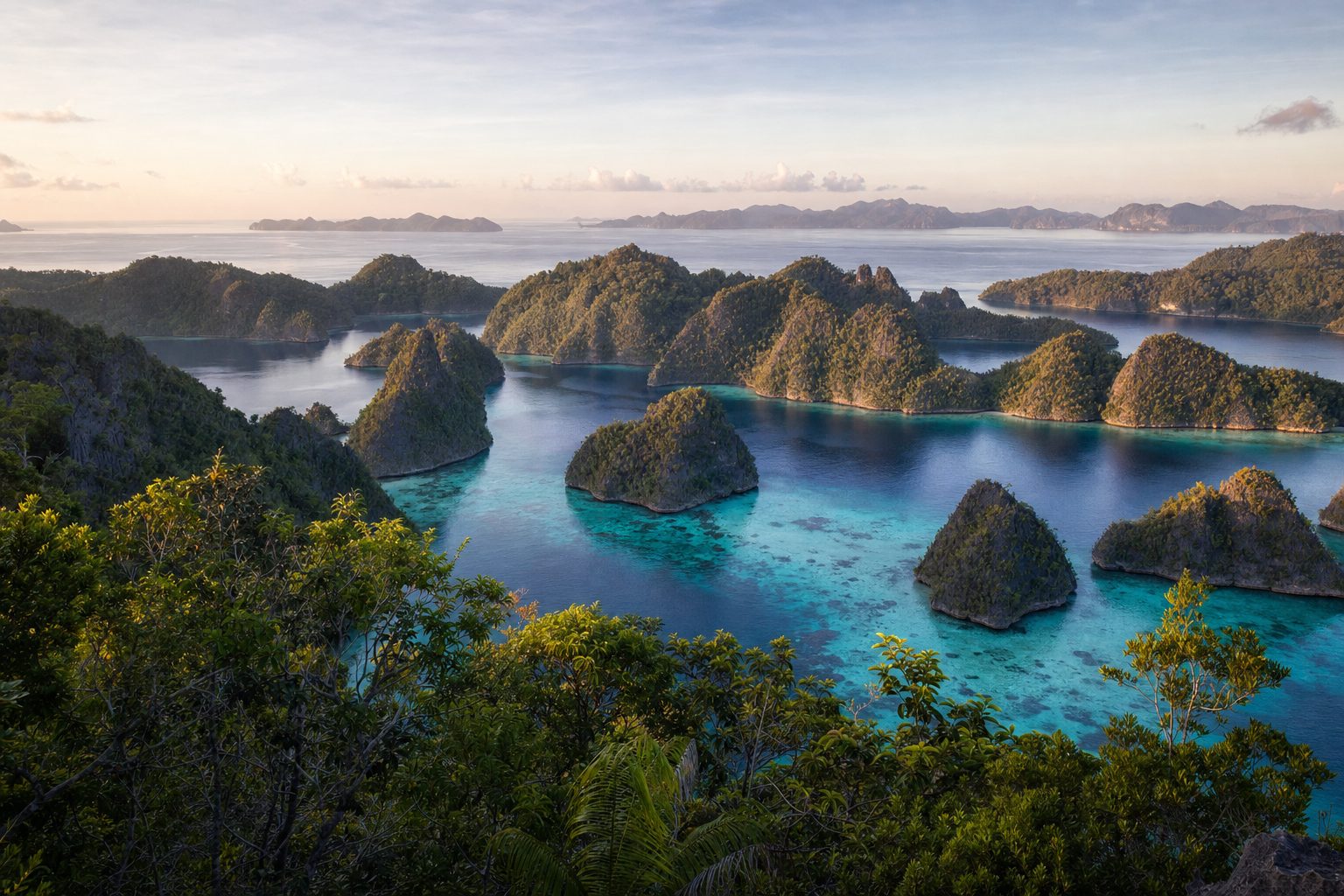
What visitors are pledging to protect is, above all, the Rock Islands Southern Lagoon, a World Heritage site of several hundred forested limestone islets south of Koror, and the marine lake on Eil Malk known as Ongeim'l Tketau, or Jellyfish Lake. A first trip comes down to a few decisions: which month, which of two Koror State permits, dive or snorkel, how long to give a small and expensive country, and how to behave in a closely patrolled lagoon.
What the Rock Islands are, and why they are guarded
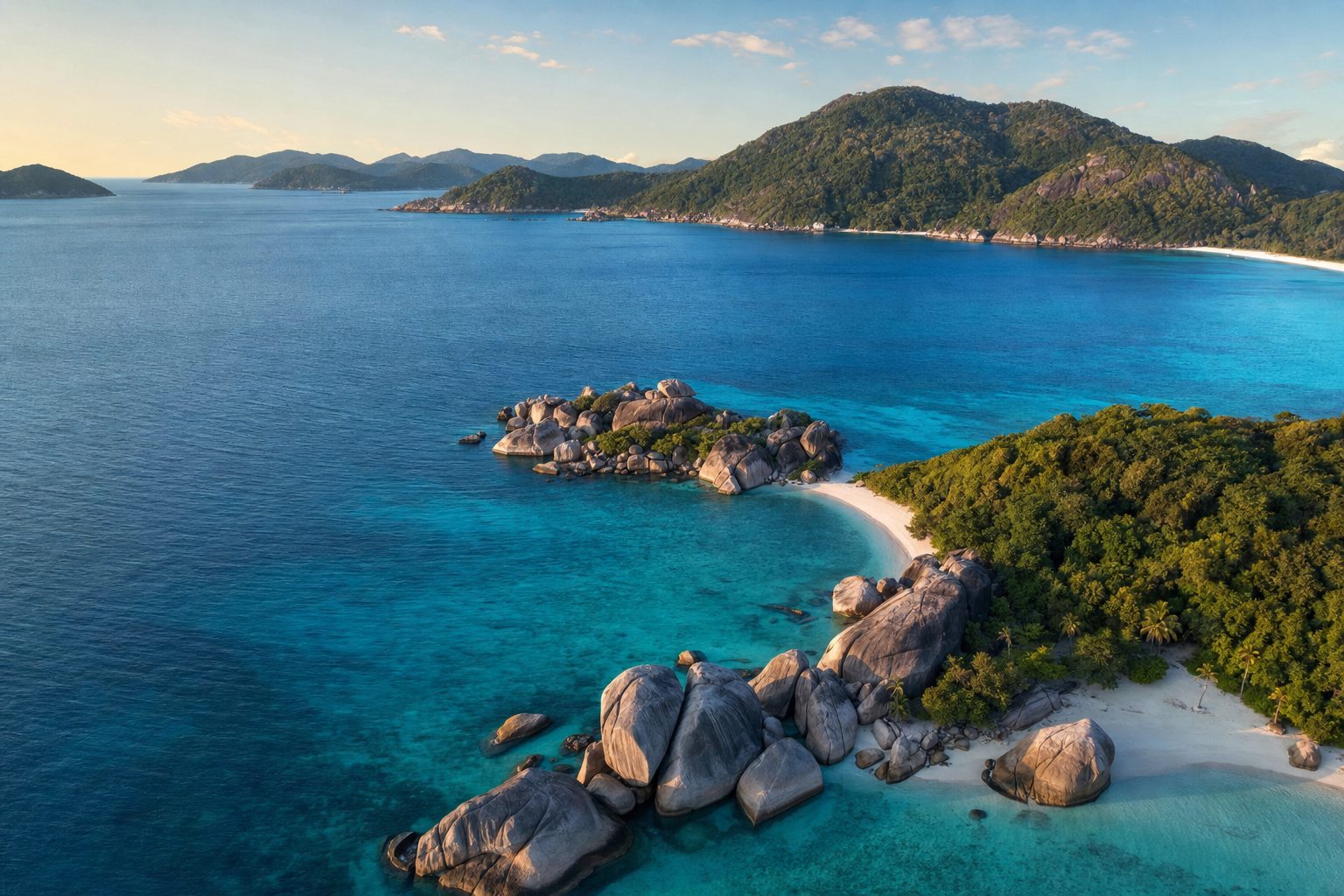
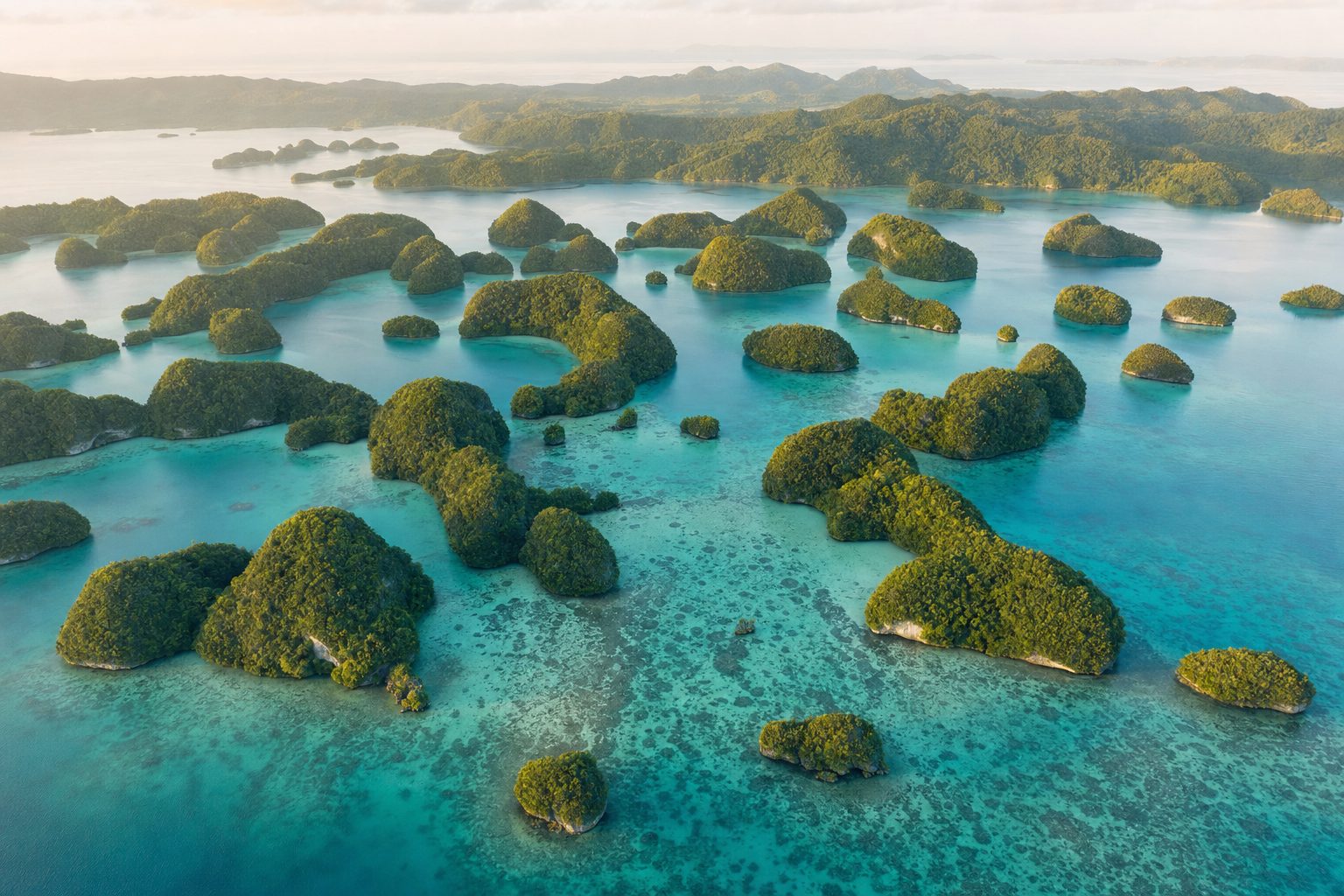
Palau is a chain of some 340 islands in the western Pacific, roughly 800 kilometres east of the Philippines. Most people live on Koror, the commercial hub, and on Babeldaob, the large volcanic island joined to it by bridge and home to the airport. South of Koror the lagoon fills with the Rock Islands: uninhabited limestone domes undercut at the waterline into mushroom shapes, thick with forest, in water that shifts from turquoise over sand to indigo at the drop-offs. The area lies within Koror State, whose rangers run it. UNESCO inscribed the lagoon in 2012 under natural and cultural criteria alike, for its caves, burials and abandoned stone villages as much as its reefs. Tourism is rationed by permit and zoning: several islands and every marine lake except Jellyfish Lake are closed, and the places you may land are designated tourist activity areas.
UNESCO's Rock Islands Southern Lagoon property covers 100,200 hectares and 445 uninhabited coralline limestone islands of volcanic origin. It contains 52 marine lakes, more than any other site in the world, and supports over 385 coral species, 746 fish species and at least 13 shark species. [2]
When to go: the dry season and the shoulder months
Palau sits seven degrees north of the equator: warm and humid all year, with the wettest weather between July and October and typhoons rare. The drier, calmer months run from roughly December to April, when the north-east trades settle in, the lagoon is flattest for small boats and visibility on the outer reefs is best. This is also peak season; rooms and dive boats fill around Christmas and Lunar New Year.
The wet season, May to November, is not a reason to stay away: showers are heavy but brief, the barrier reef keeps the lagoon sheltered and prices ease. Divers often favour the transitions, October to November and March to April, when winds are light and the water glassy.
The Palau Visitors Authority gives Palau an annual mean temperature of 82°F (27°C), average annual rainfall of 150 inches and relative humidity averaging 82 per cent. Rain can fall at any time of year but is more frequent between July and October, and typhoons are rare because Palau lies outside the typhoon zone. [5]
Getting in: the pledge, the entry form and the fee in your ticket
Arrival involves three pieces of paperwork. The first is the Palau Entry Form, a digital arrival and customs declaration submitted no more than 72 hours before you arrive; the system emails a QR code that airlines check at check-in and immigration checks again on landing, so keep a screenshot on your phone. One form covers a family. It doubles as a customs declaration, and since 1 January 2020 reef-toxic sunscreen is prohibited: only mineral formulas based on zinc oxide or titanium dioxide are legal, and customs confiscate the rest.
The second is the Palau Pledge itself, stamped into your passport by immigration and signed on the spot. It is mandatory, not ceremonial, and the stamp takes a page, which is why passports need two blank pages as well as six months' validity. Most nationalities receive a 30-day tourist visa on arrival with proof of onward travel; Schengen-state citizens may stay 90 days in any 180 under a visa-waiver agreement, and United States citizens are admitted without a visa. As checked in September 2026, these are the rules published by Palau's Bureau of Customs and Border Protection; confirm them for your own passport.
The third is money you have already paid. Every international air ticket into Palau has included the Pristine Paradise Environmental Fee of US$100 since 1 January 2018, replacing the departure tax and green fee once paid in cash at the airport.
Palau's Bureau of Customs and Border Protection states that passengers must submit the Palau Entry Form at most 72 hours before departure at palautravel.pw, generating a QR code to be presented at check-in and on arrival, and that every visitor is assessed a US$100 environmental fee, included by airlines in every ticket into Palau sold on or after 1 January 2018. Citizens of Schengen states may stay visa-free for up to 90 days in any 180-day period. [3]
Permits: the two Koror State cards that unlock the lagoon
Nobody enters the Rock Islands Southern Lagoon without a Koror State permit, and rangers check them at sea and at the Jellyfish Lake dock. There are two. The Rock Island Use Permit costs US$50 and admits you to every designated tourist activity area in the lagoon, including the dive sites, kayak routes and beaches, except Jellyfish Lake. The Jellyfish Lake Permit costs US$100 and covers everything the first does plus the lake. Both are required from age six, carry your passport name, and are non-transferable and non-refundable. Hold the cheaper card and decide on the day that you want the lake, and rangers issue a voucher for a further US$75, payable within 48 hours, so choosing correctly at the outset saves US$25.
How long a permit lasts is the one detail on which official sources disagree. Koror State's own fact sheet and the text of its Rock Islands management law give 10 days; the Palau Visitors Authority's tips page currently says five. As checked in September 2026, the fees have stood at US$50 and US$100 since 2011 and a 2020 proposal to raise them did not become law, but the state can change both at short notice; ask for the validity dates to be written on the card. Permits are sold at the Koror State Ranger Station at Malakal and through virtually every dive shop and tour operator.
Koror State's Rock Islands Southern Lagoon fact sheet lists the Rock Island Use Permit at US$50 and the Jellyfish Lake Permit at US$100, each required for visitors aged six and above and valid for 10 days. Entry to all marine lakes other than Jellyfish Lake is prohibited by law. [1]
Jellyfish Lake in 2026: what to expect in the water
Ongeim'l Tketau is a marine lake about 400 metres long and 30 metres deep, connected to the lagoon only through fissures in the limestone. Its upper 12 metres hold oxygen, sunlight and a subspecies of golden jellyfish, Mastigias papua etpisoni, found nowhere else; below a pink bacterial layer at 13 to 15 metres the water is dark, anoxic and heavy with hydrogen sulphide, which is why scuba is banned and snorkellers must stay high. On sunny mornings the jellyfish migrate across the lake to feed the algae in their tissue, and swimming into that slow, pulsing crowd is what the permit pays for.
The population is not fixed. The Coral Reef Research Foundation puts the typical count at around five million; in the 2016 El Niño drought numbers collapsed and tours were suspended until they recovered, and warm years since have brought further dips. As checked in September 2026, the foundation's most recent posted survey, dated 14 July 2026, puts golden jellyfish in its highest band of more than 100,000 and rising, with lake water averaging 31.0°C and falling and a green forecast. That is a lake worth the permit, but read the page again in the week you travel.
As of its monitoring date of 14 July 2026, the Coral Reef Research Foundation's Jellyfish Lake conditions page places golden jellyfish numbers in the +100,000 band, increasing compared with the previous three months, with average water temperature over the top 12 metres at 31.0°C and a green forecast (jellyfish present; conditions favour their presence for the next three months). [6]
The lake is a 30 to 45 minute boat ride from Koror, then a steep ten-minute walk over a limestone ridge to a dock and ranger post. The state's rules: apply sunscreen at least half an hour before the walk, never at the dock; take only clean, rinsed gear; bring nothing in or out, including shells; wear a flotation vest; and in the water stay horizontal and slow and never lift, kick or handle a jellyfish.
Diving, snorkelling and kayaking: how to spend your lagoon days
Palau's reputation rests on the outer reef walls where the lagoon meets the open Pacific, about an hour by fast boat from Koror. Blue Corner, a plateau where currents concentrate grey reef sharks, Napoleon wrasse and schooling jacks, is the benchmark dive, done by hooking into the reef and watching the traffic pass; German Channel is the manta cleaning station, and Ulong Channel and Blue Holes fill out a week. Expect at least US$200 for a two-tank day, less on multi-day packages, and leave a full day between your last dive and your flight.
Snorkellers are not an afterthought: day trips string together the Milky Way, a cove of pale limestone mud, the Big Drop-Off, where the wall begins a metre below the surface, Clam City and a lunch beach, with Jellyfish Lake as the headline. Kayaking is the quietest way in among the inner islets, and some operators run overnight camping on designated beaches. For a comparison with how Thailand rations its marine park islands, see our Similan Islands guide.
- Carry your permit on every boat day; rangers check the name on the card against the boat's passenger list.
- Pack mineral-only sunscreen, a rash vest and a hat. Reef-toxic sunscreen is illegal to import and will be confiscated at customs.
- Bring US dollars in cash for permits, boat lunches and tips; cards work in Koror, not on the water.
- Book dive boats and rooms months ahead for December to April, and check the Coral Reef Research Foundation forecast before choosing the US$100 permit.
Getting there and around, and what it costs
All international flights land at Roman Tmetuchl International Airport (ROR) at Airai on Babeldaob, 20 to 30 minutes from Koror by taxi or hotel shuttle. United connects Palau most days with Guam, and from there Honolulu and the US mainland, and flies from Manila; China Airlines serves Taipei; direct or seasonal services operate from Tokyo, Seoul and Brisbane, and charters come and go. As checked in September 2026, schedules are thin and change often, so build the trip around the flight and reconfirm with the airline.
Koror has a small bus network and taxis; a hire car is the practical way to see Babeldaob, and a foreign licence is valid for 30 days. State ferries run to Peleliu and Angaur, both rich in Second World War history and near-empty beaches. Nothing is cheap: simple guesthouses run about US$80 to US$120 a night, mid-range hotels US$120 to US$220, resorts well above, and there are effectively no hostels. The US dollar is the currency and cards work in Koror, but carry cash for permits and boat days.
Behaving like a guest: the pledge in practice
The pledge is simple to keep. Do not touch, stand on or collect coral, shells or marine life; do not feed fish or sharks, the two offences the campaign lists first; pick nothing on land, where every plant in the Rock Islands is protected by law; and take your rubbish back to Koror. In villages, ask before photographing people and dress modestly. The traditional system of bul, a harvesting ban declared by chiefs when a resource is under strain, is the cultural root of all this.
Palau describes itself as the first nation on earth to change its immigration laws for the cause of environmental protection: on entry, visitors sign a passport pledge to act in an ecologically and culturally responsible way, for the sake of Palau's children and future generations of Palauans, and are asked to support businesses certified under the pledge during their stay.
— Paraphrased from the official Palau Pledge website
Palau asks more of its visitors than most countries: a form before you fly, a fee in the ticket, a promise in the passport and a state permit before the boat leaves the dock. In return it offers a lagoon that still looks the way the pledge says it should, and a lake where, in a good year, the water is thick with gold. Go between December and April if you can, and decide on the permit only after reading the forecast. For other seas where access is deliberately rationed, read our guides to Raja Ampat and the Galápagos Islands; for a gentler Pacific island week, start with Lord Howe Island.
Sources & further reading
- 1. Koror State Government — Rock Islands Southern Lagoon Management Area Fact Sheet (permits, fees, rules)
- 2. UNESCO World Heritage Centre — Rock Islands Southern Lagoon
- 3. Palau Bureau of Customs and Border Protection — Immigration (entry form, PPEF, visa waivers)
- 4. GOV.UK — Palau travel advice: entry requirements (Palau Pledge, entry form, sunscreen rules)
- 5. Palau Visitors Authority (Pristine Paradise Palau) — Travelers Tips
- 6. Coral Reef Research Foundation — Jellyfish Lake Conditions and Forecast
- 7. Palau Pledge — official site
- 8. Lonely Planet — A first-time guide to Palau (April 2026)