A 124-metre-deep marine sinkhole you can see from space, protected as a natural monument on Lighthouse Reef Atoll. How to choose between the 40-metre dive, the rim snorkel and the one-hour flight, and when the sea allows it.
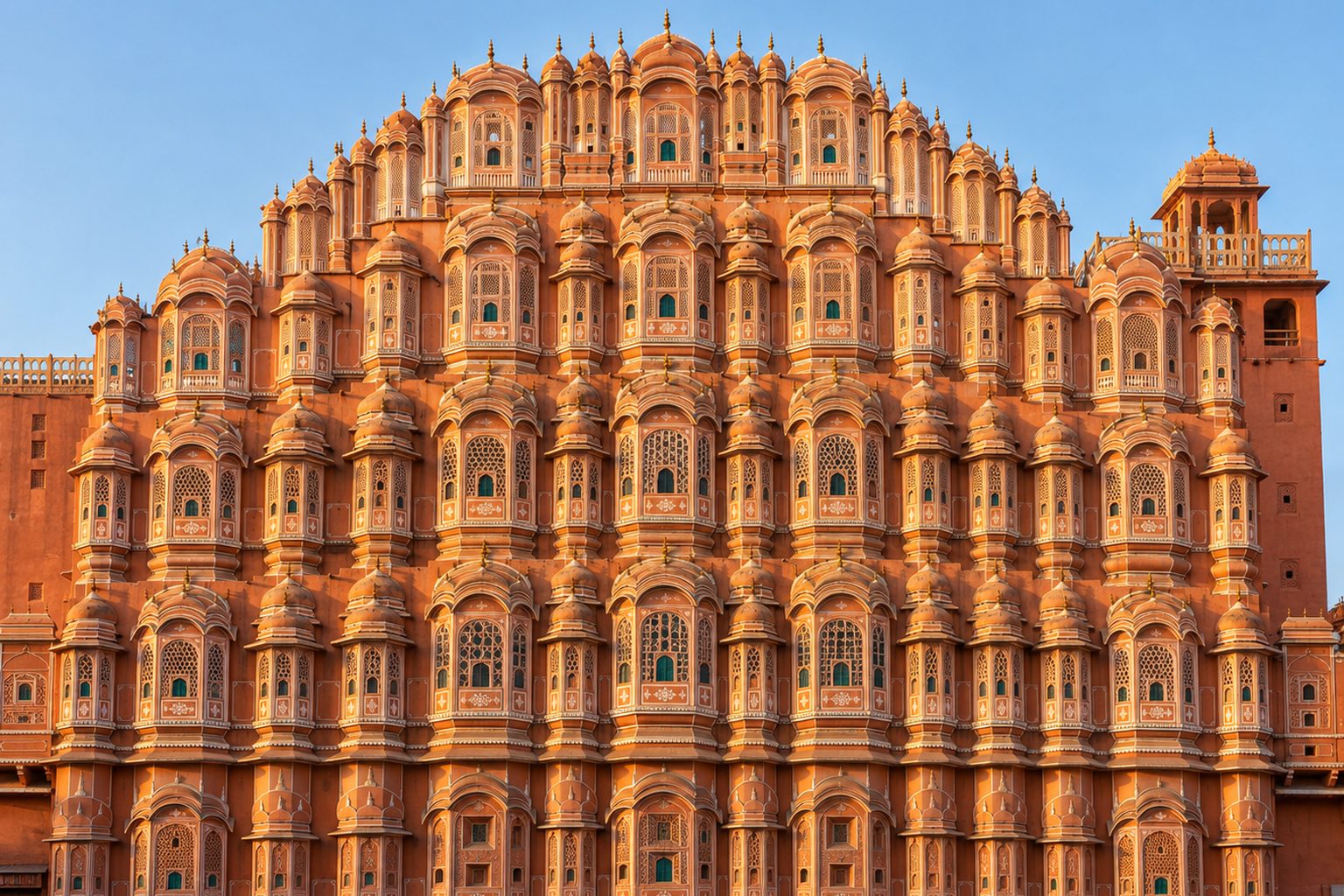
Jaipur was painted pink for a royal visit in 1876 and has stayed that way by rule ever since. How to choose between its forts and observatories, use the composite ticket after the 2026 fee rise, and time a first visit.
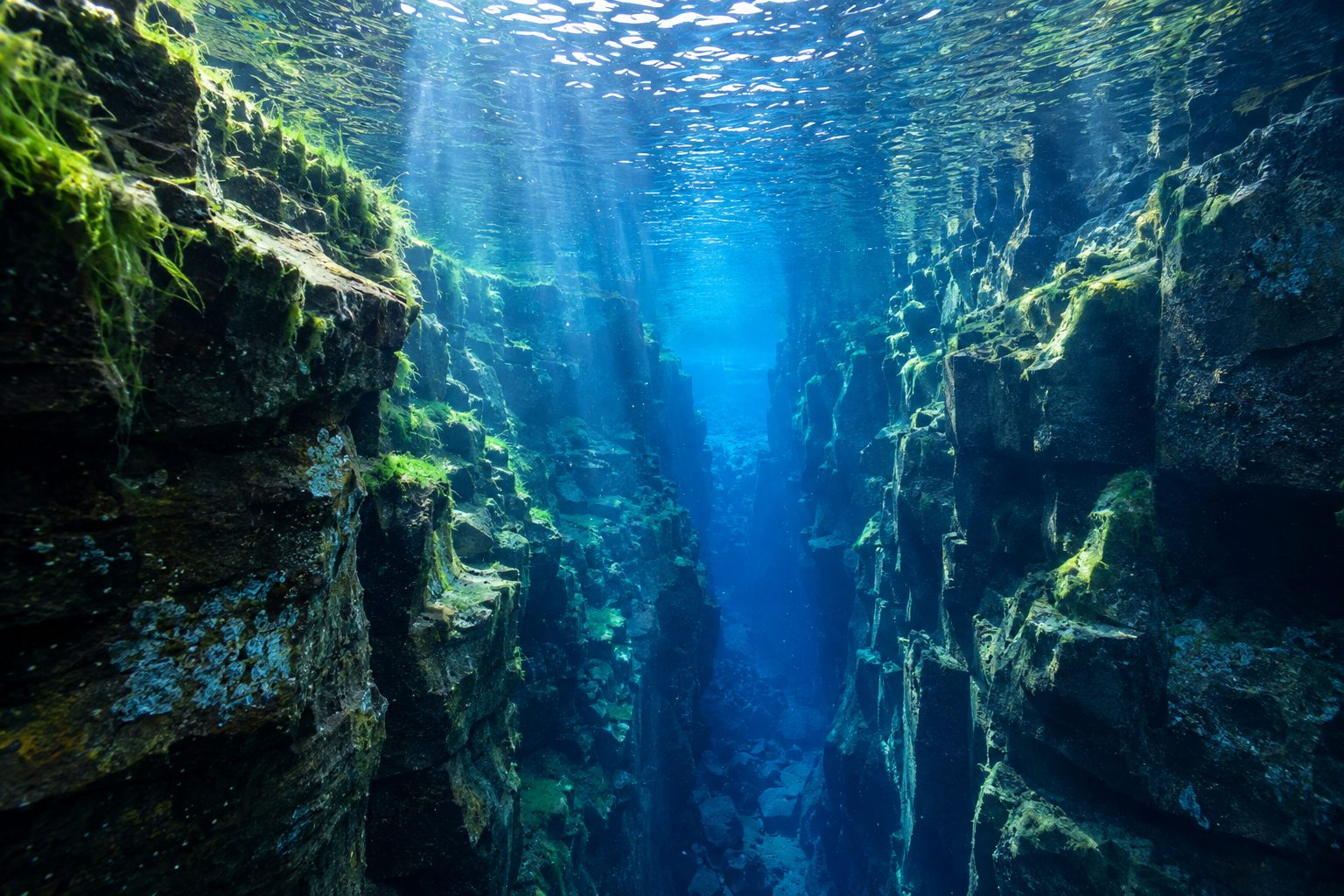
Þingvellir's flooded rift offers 100-metre visibility in 2–4°C glacial water, but only with a licensed guide, a drysuit and the right paperwork. Here is how to choose your slot, season and operator, and what it costs.
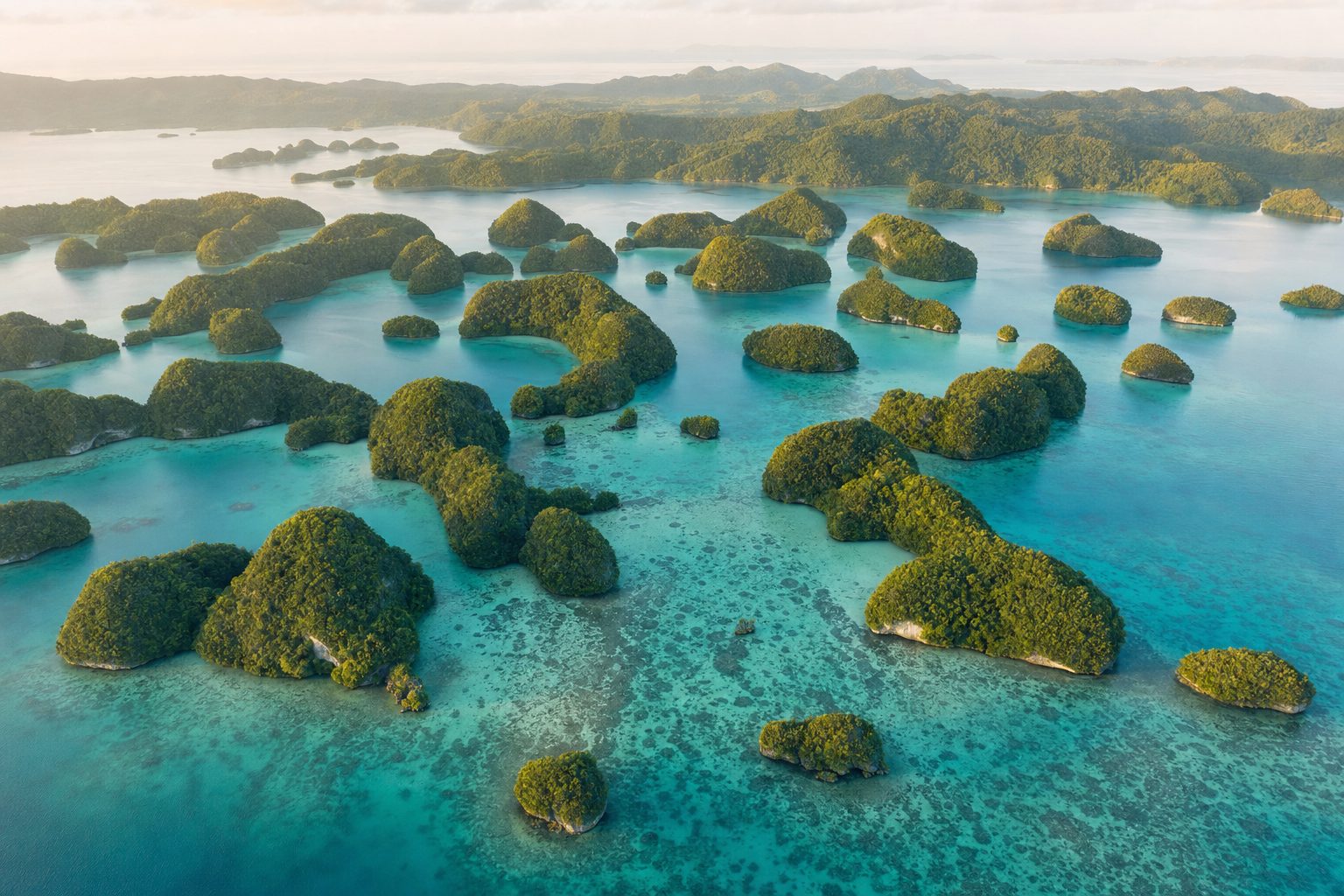
A pledge stamped in your passport, a fee hidden in your ticket and two Koror State permits: how to plan a first trip to Palau's Rock Islands and Jellyfish Lake, and what the lake looks like in 2026.
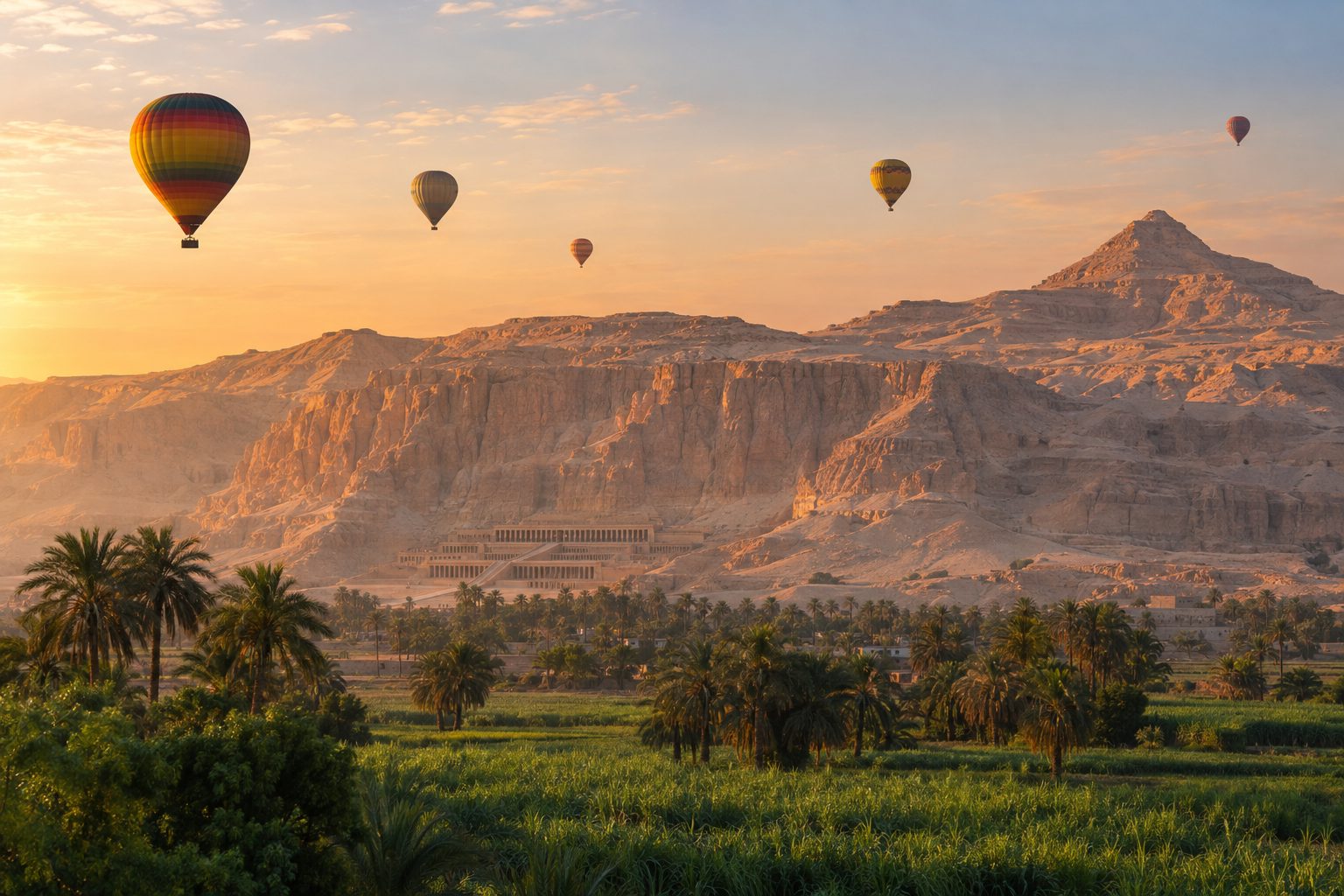
The Valley of the Kings has 63 catalogued tombs and your ticket opens three. How to choose them, split the two banks of the Nile, price the Luxor Pass and time the balloon before the heat arrives.
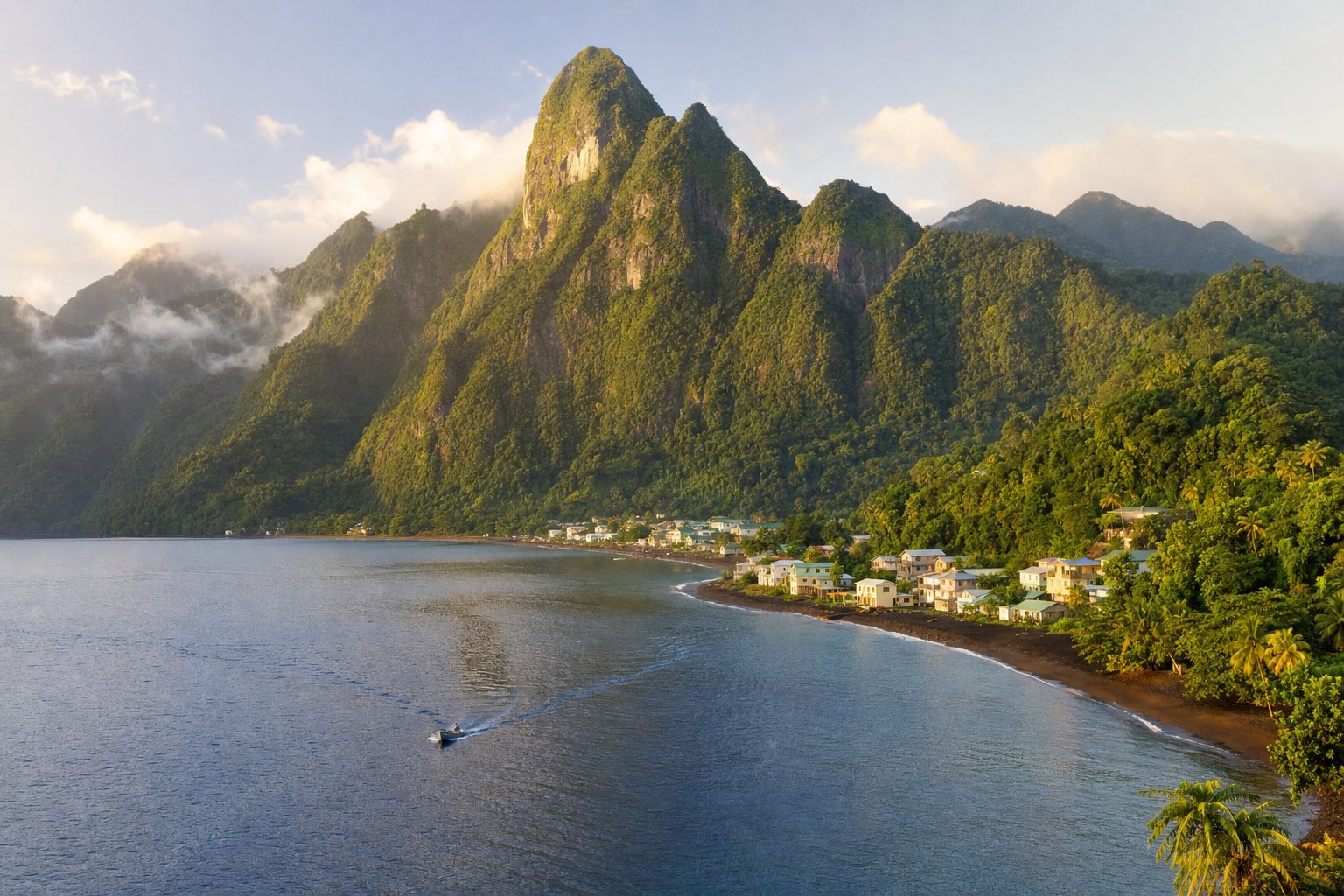
Sperm whales year-round, a lake that boils and a trail the length of the island. How to plan a first visit to Dominica, from the new whale reserve rules to site passes, seasons and getting there.
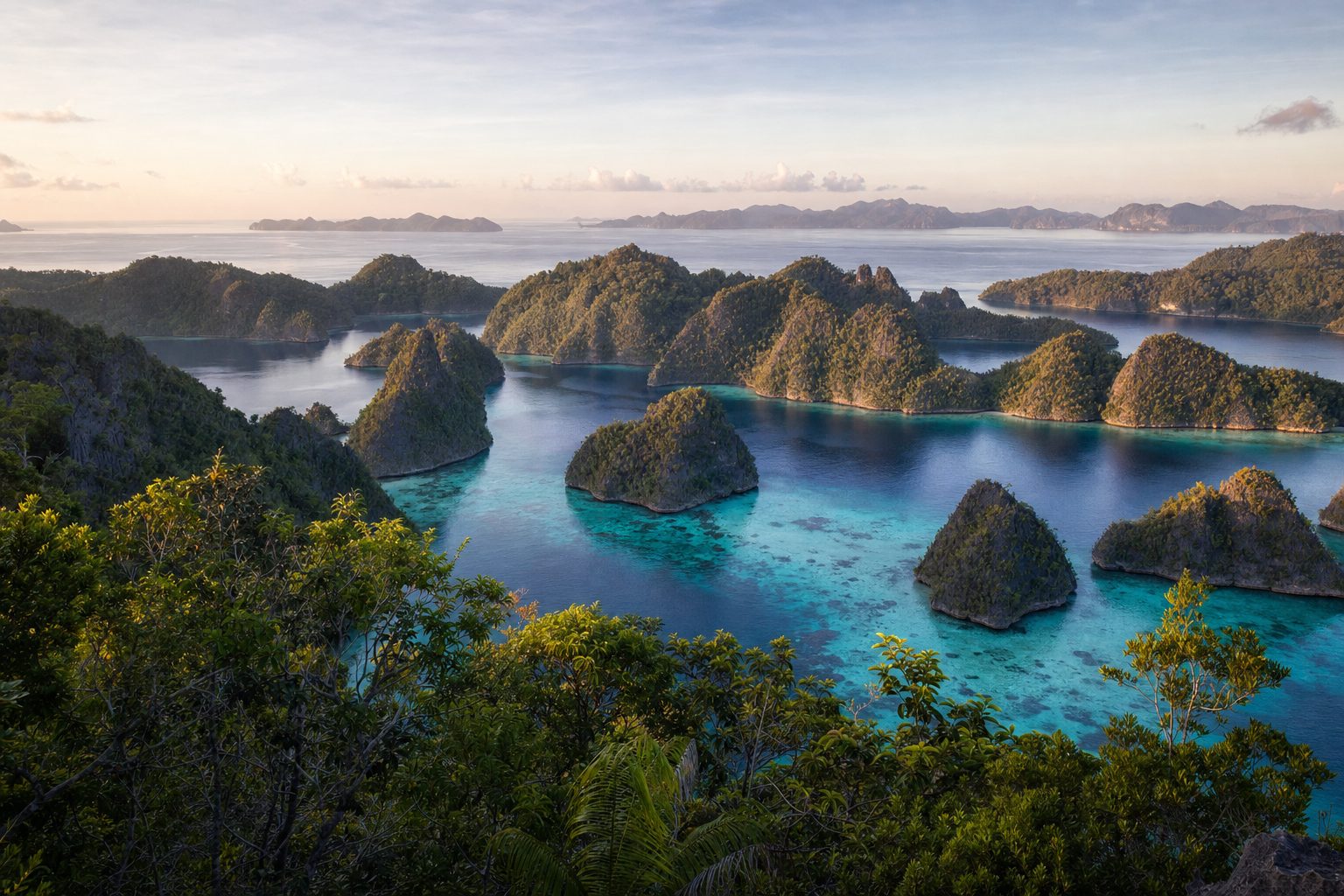
Two official fees, a two-hour ferry, homestays without hot water and the richest reefs on earth: how to plan a first trip to Raja Ampat, including what is open and what is not in 2026.
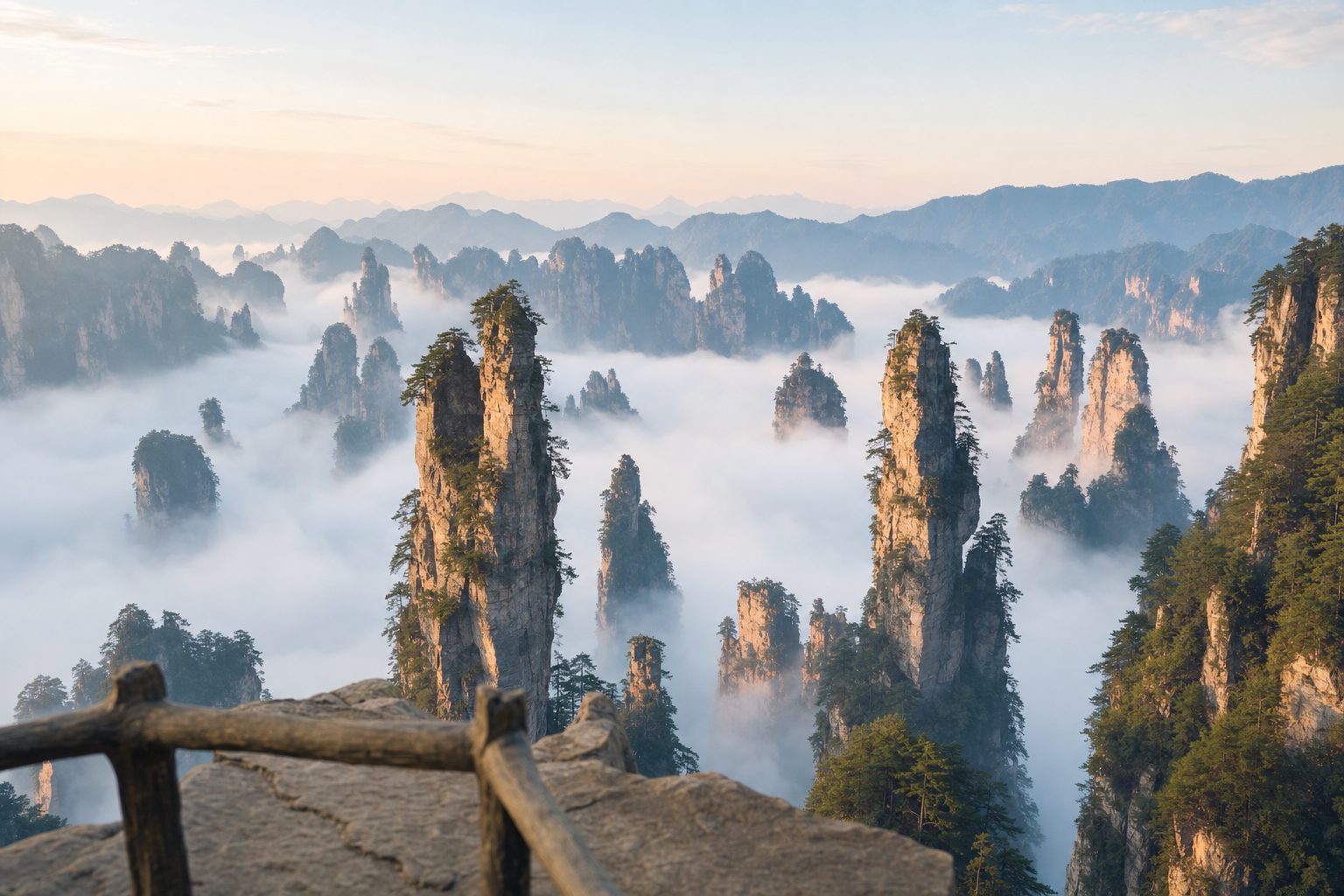
The floating pillars of Yuanjiajie are real, and reliably so at sunrise in spring and autumn. Here is how to choose tickets, lifts, days and a base so the mist, not the tour groups, defines your visit.
Two flights a week, a permit only an operator can arrange and a season set by the monsoon: how to decide whether Socotra's alien landscape is a trip you should take, and how to plan it if so.
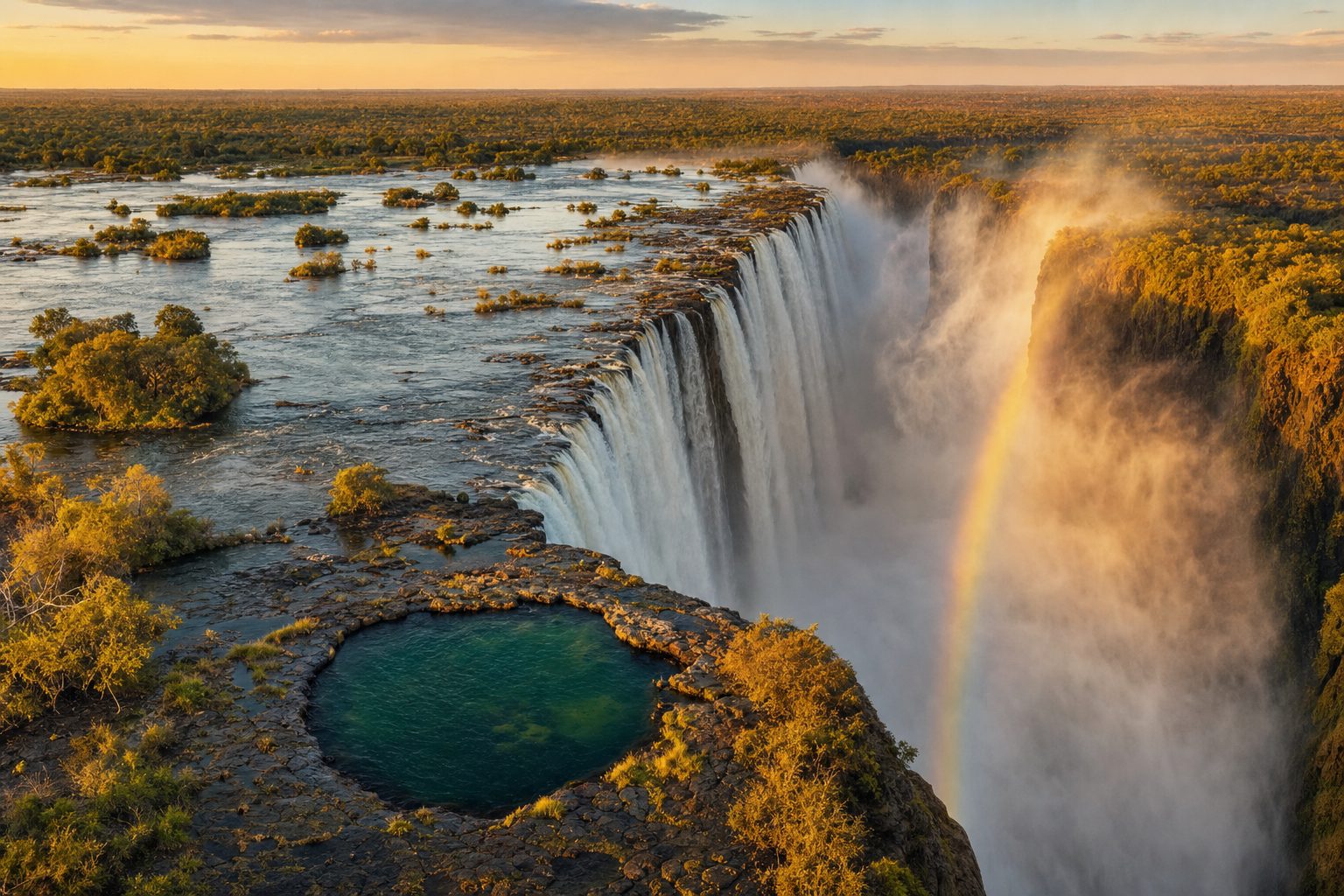
For roughly five months a year the Zambezi drops low enough to open a natural rock pool on the lip of Victoria Falls. How to time the season, choose a Livingstone Island sitting, sort the visa and stay safe at the edge.
For roughly four months a year a film of rain turns the world's largest salt flat into a mirror. How to time the wet and dry seasons, choose between a day trip and the three-day 4x4 loop, and cope with 3,656 metres of altitude.
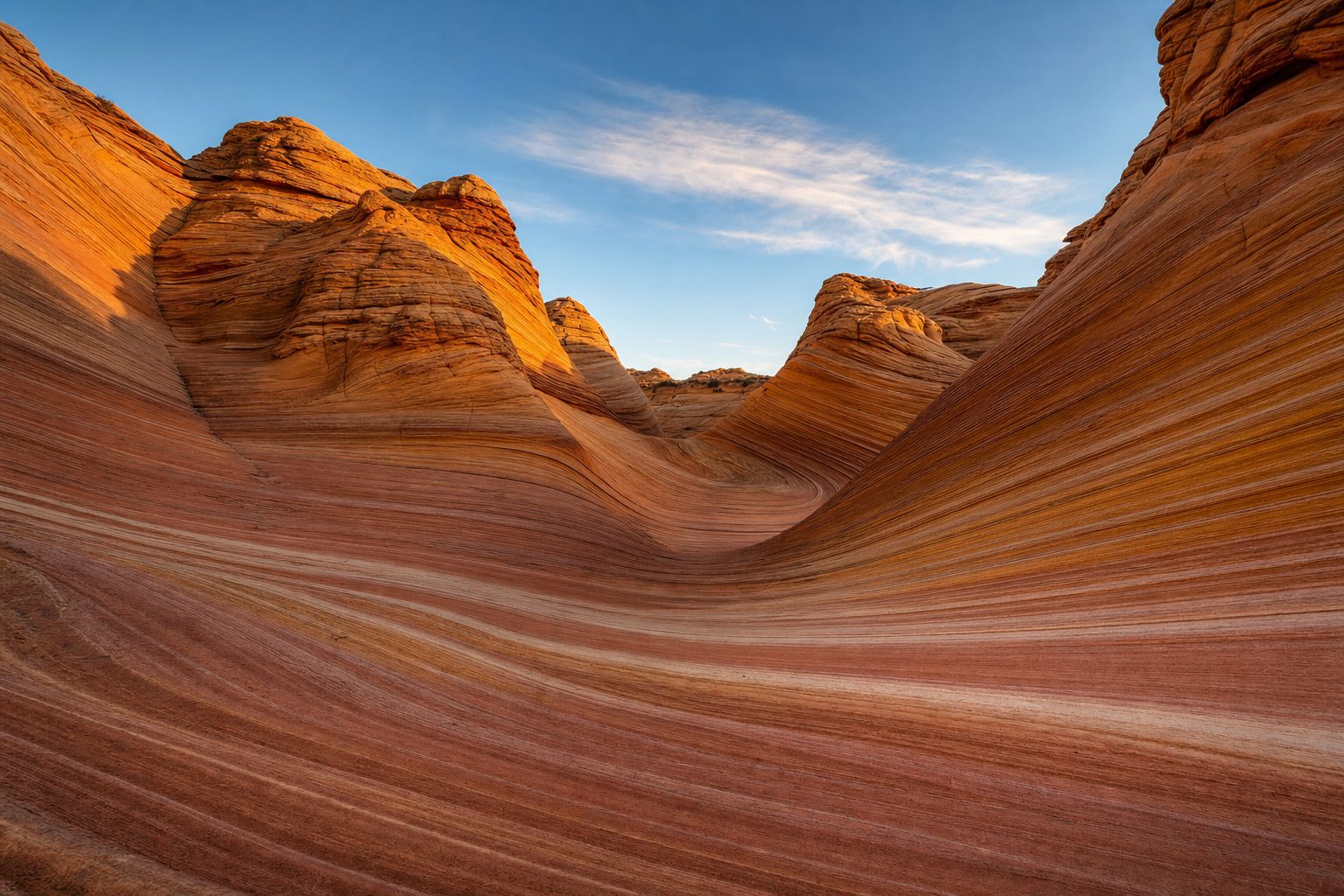
Only 64 people a day may enter Coyote Buttes North, and every place is drawn by lottery. How the four-month and geofenced daily draws work, what they cost, and how to plan the unmarked 6.4-mile hike around the road and the heat.
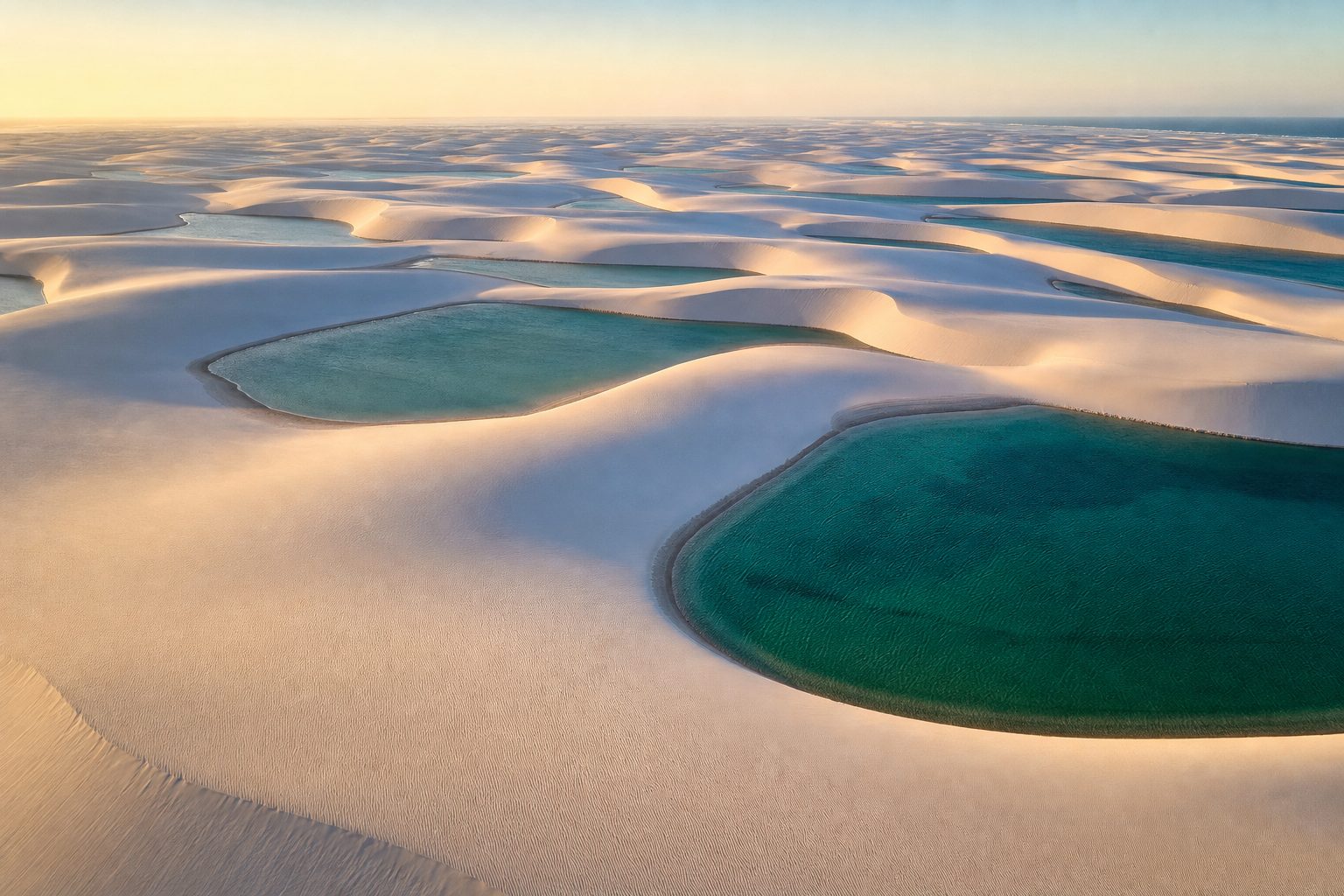
Brazil's white dune field fills with turquoise rain lagoons for a few months each year and then loses them to the sun. Here is how to time the visit, choose a gateway and follow the park rules.
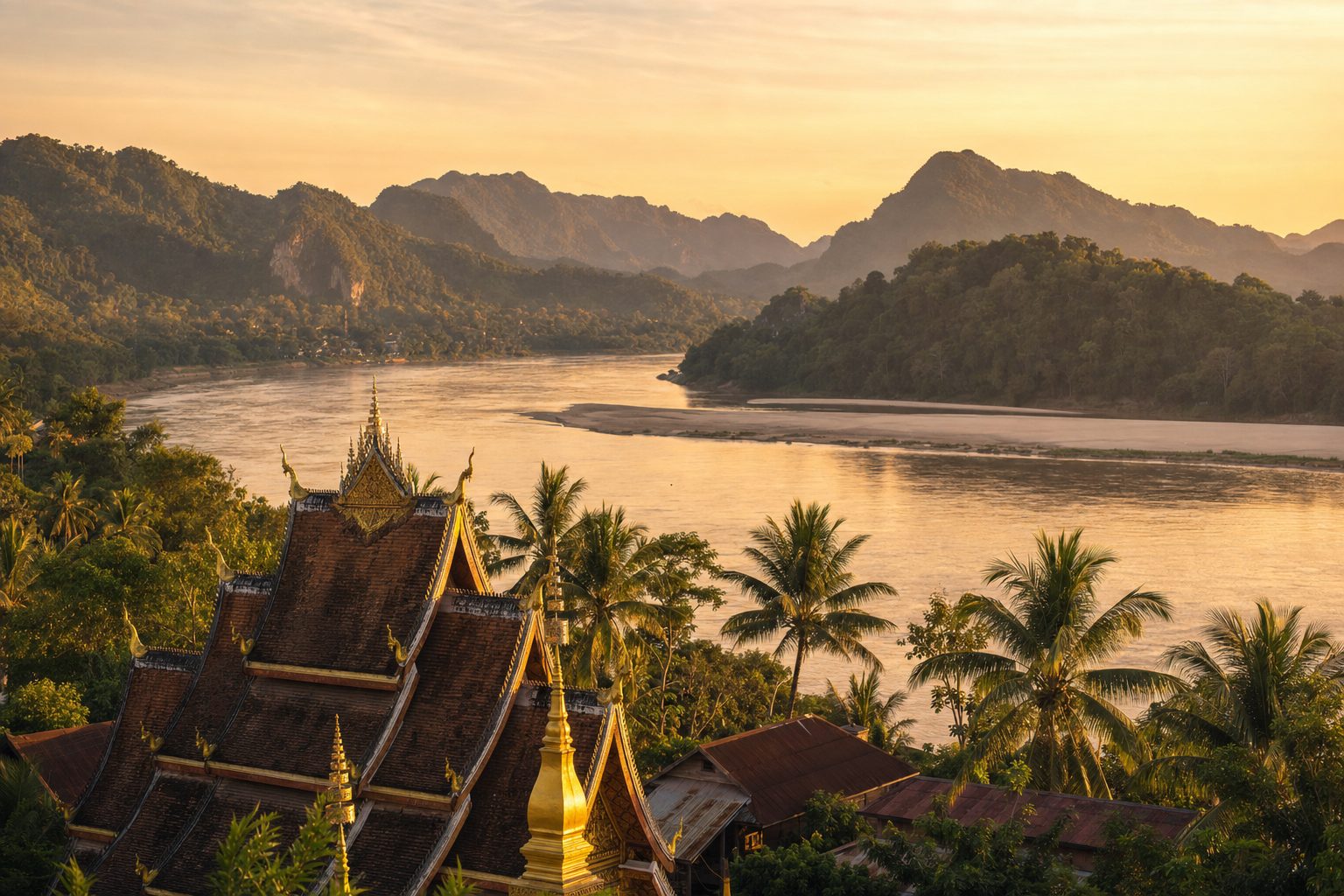
Laos's UNESCO-listed royal town asks visitors to plan around a silent dawn ritual, a turquoise waterfall that changes with the season, and a river that still sets the pace.
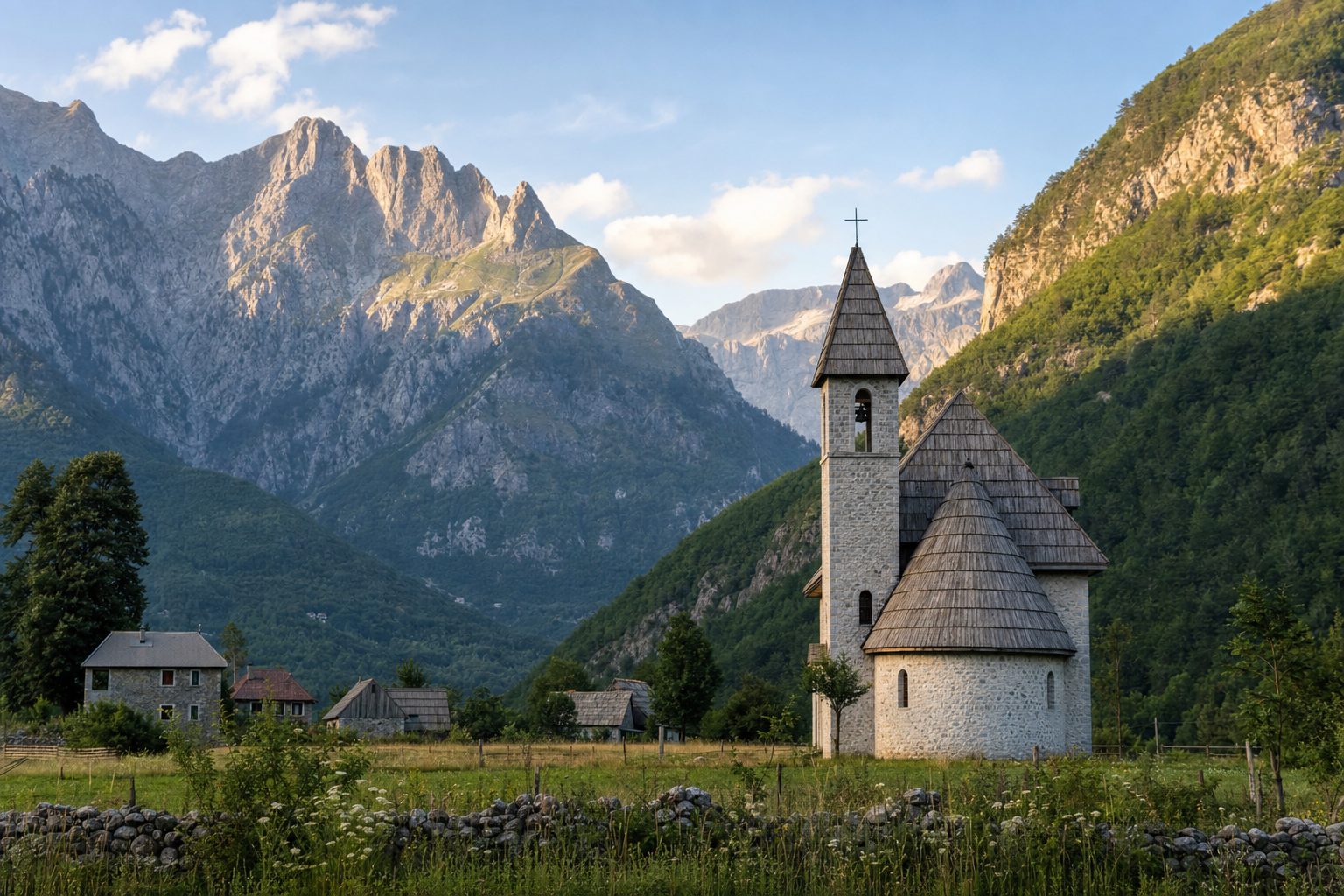
Until 2021 you needed a 4x4 to reach this valley in the Accursed Mountains. Here is how to time the short season, choose between furgon, ferry loop and self-drive, and decide whether to cross the Valbona Pass.
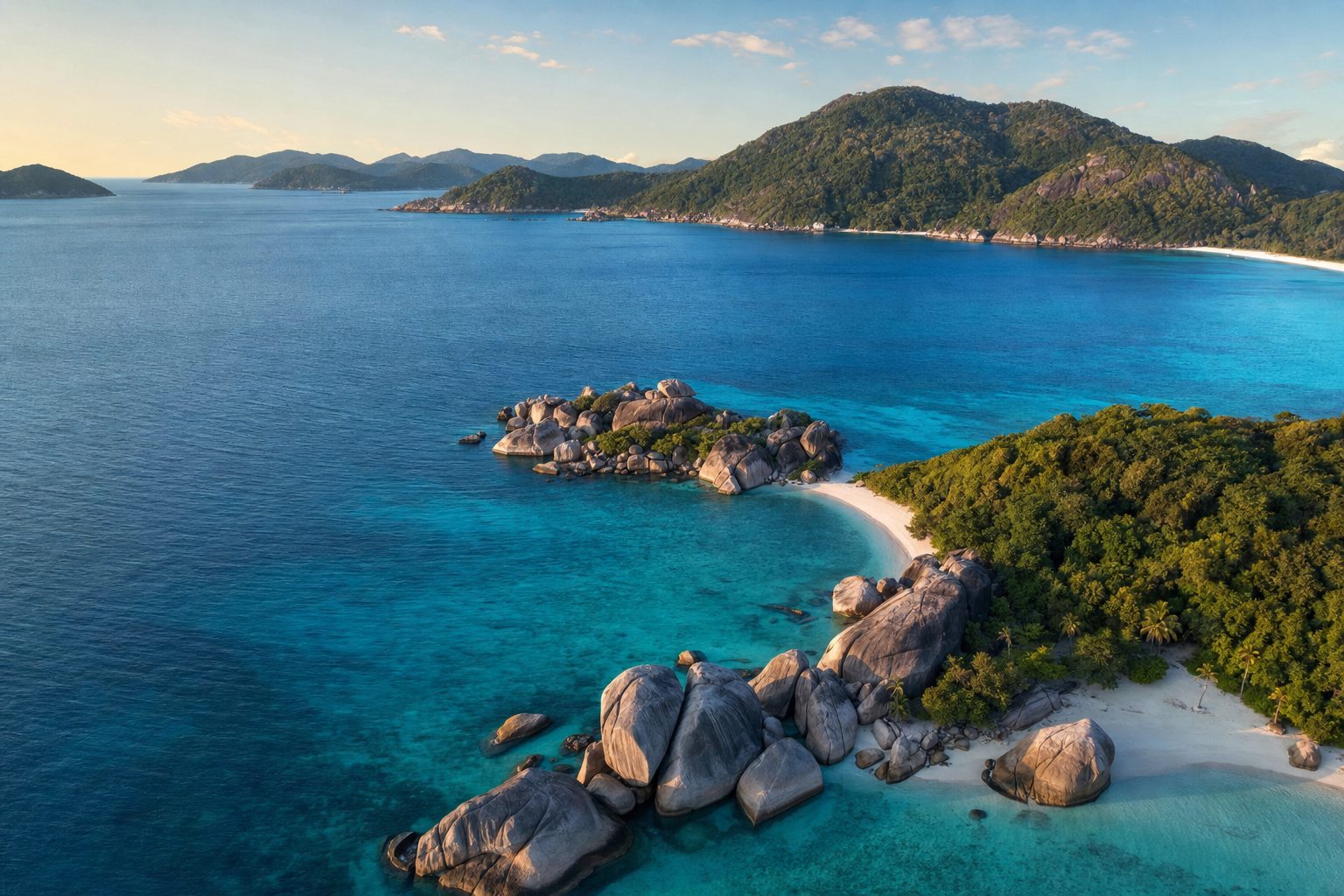
Mu Ko Similan closes by law for five months every year. Plan the 2026–27 season around the 15 October opening, daily caps, e-tickets and the day-trip-or-liveaboard choice.
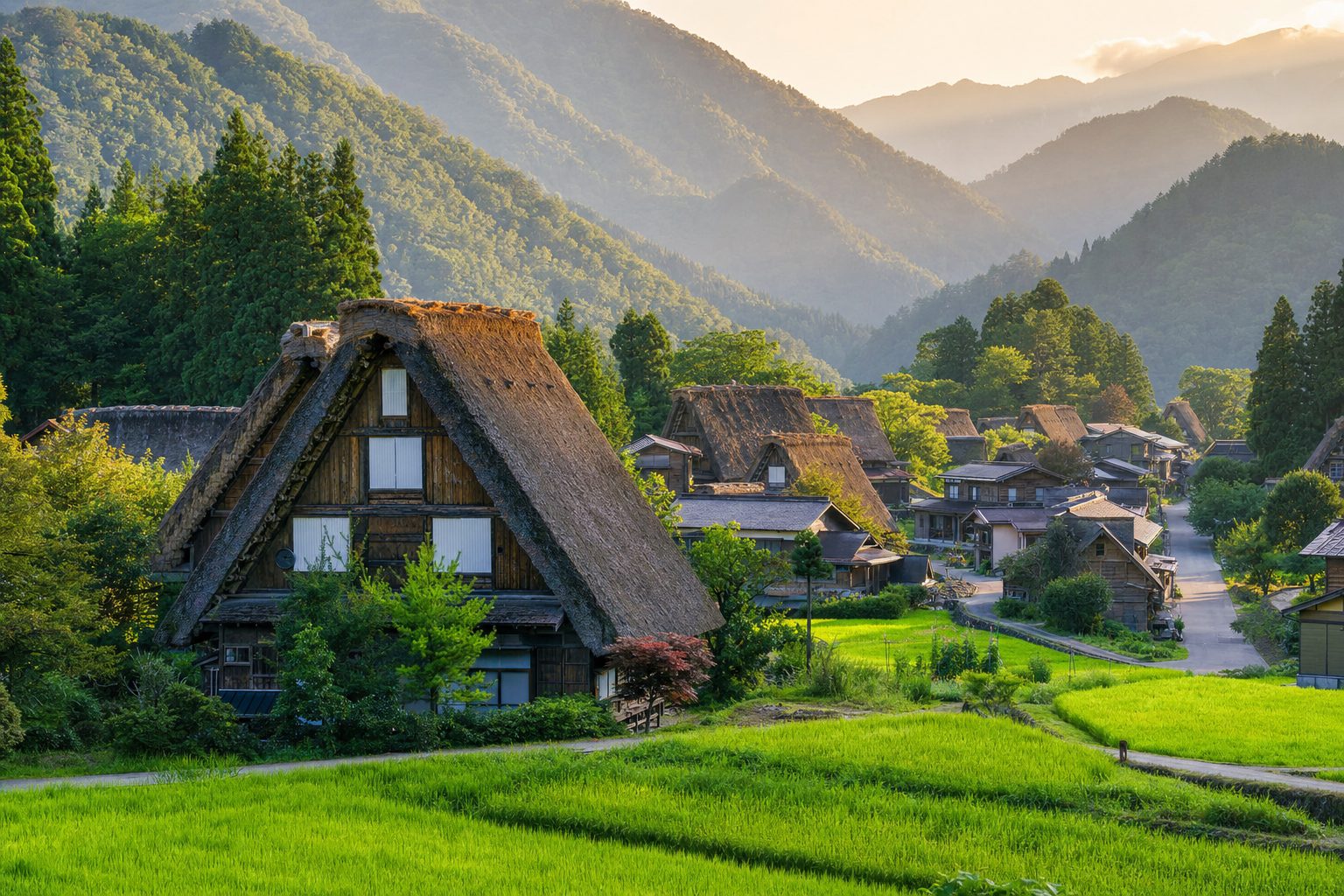
Japan's nail-free gassho-zukuri village rewards planning: how to reach Ogimachi by bus, time the viewpoint, book a farmhouse night and secure the reservation-only winter light-up.
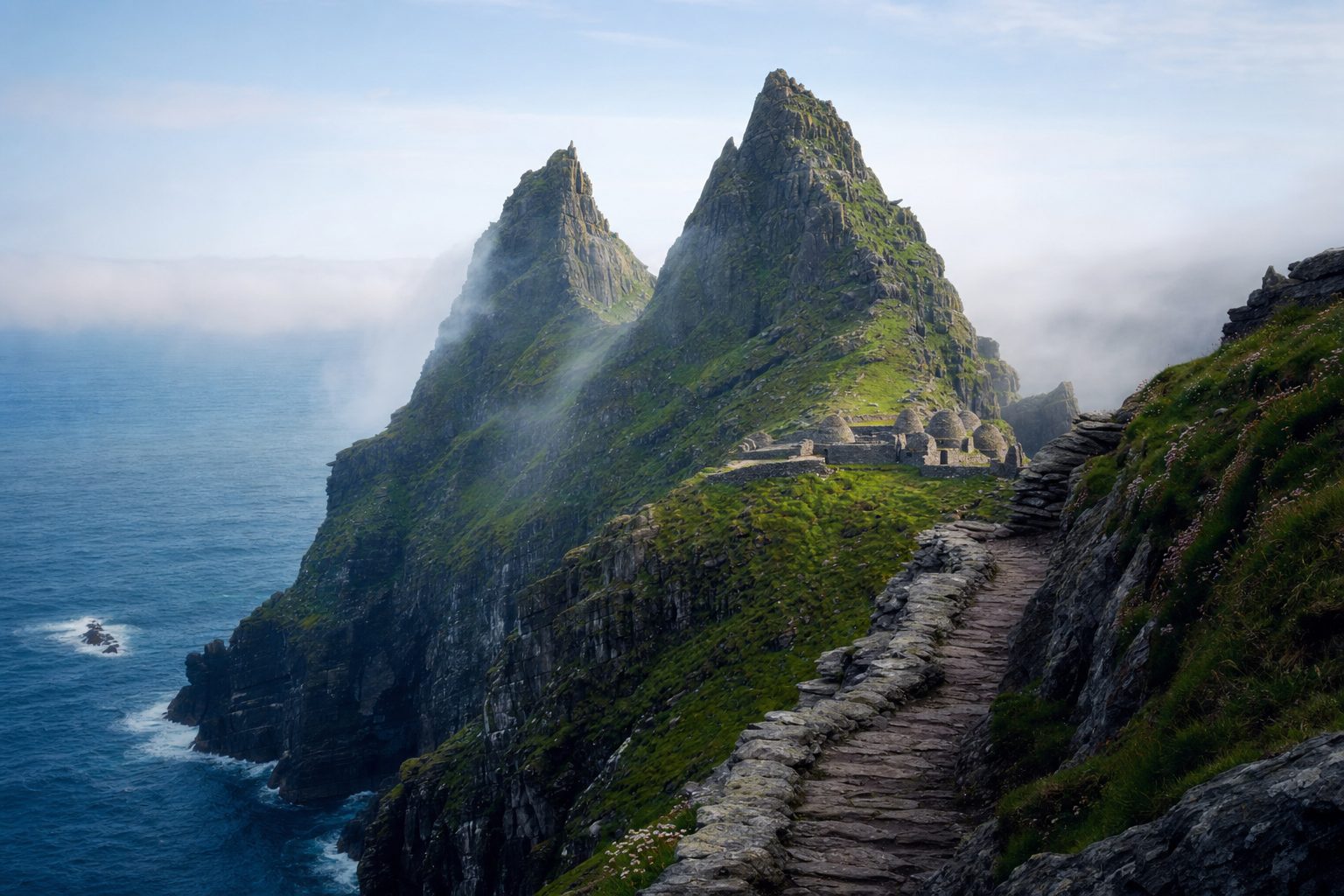
Ireland's sixth-century monastic island caps visitors at 180 a day across a season that runs barely five months. How to choose between landing and cruising, book before it sells out, and manage the 618 steps.
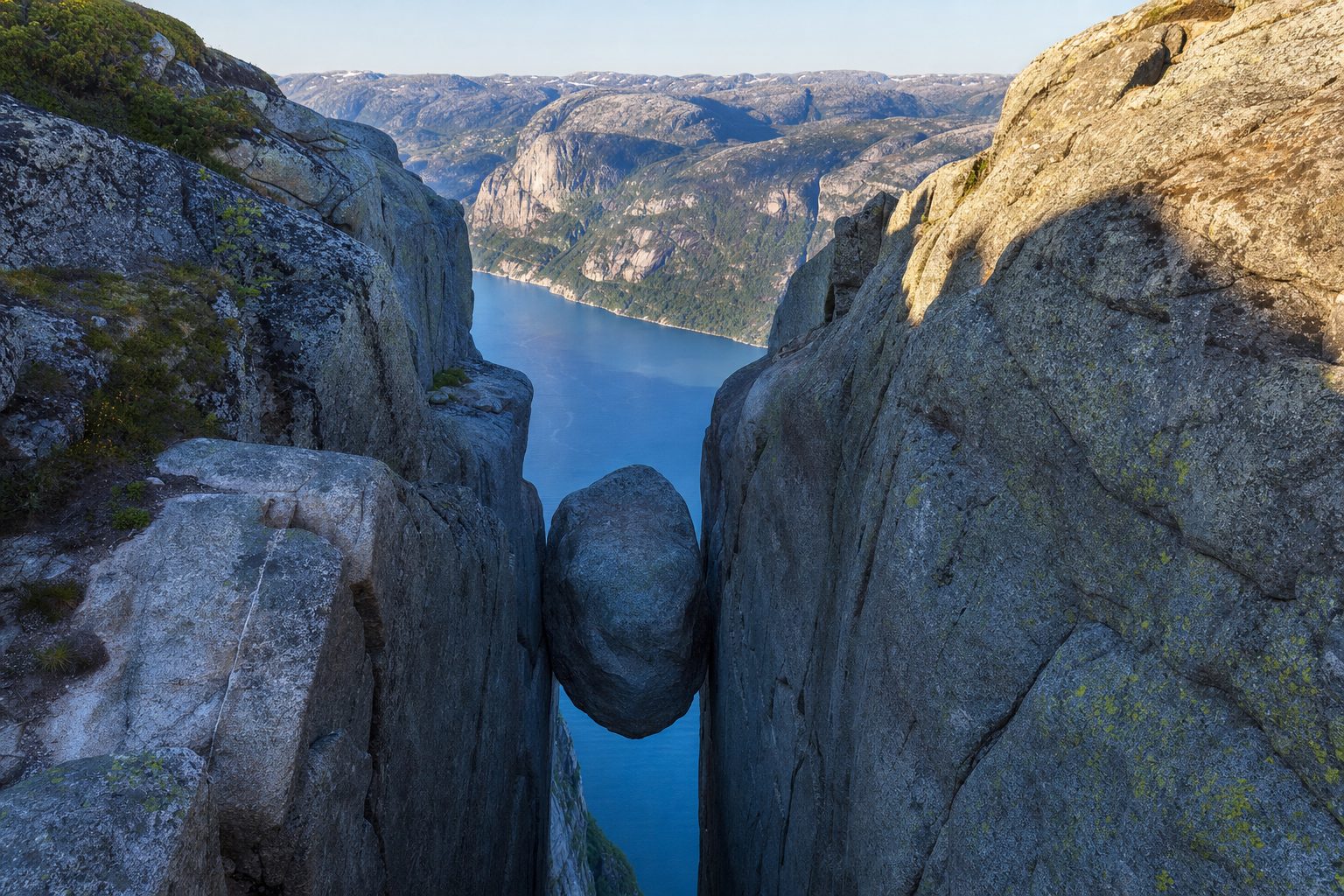
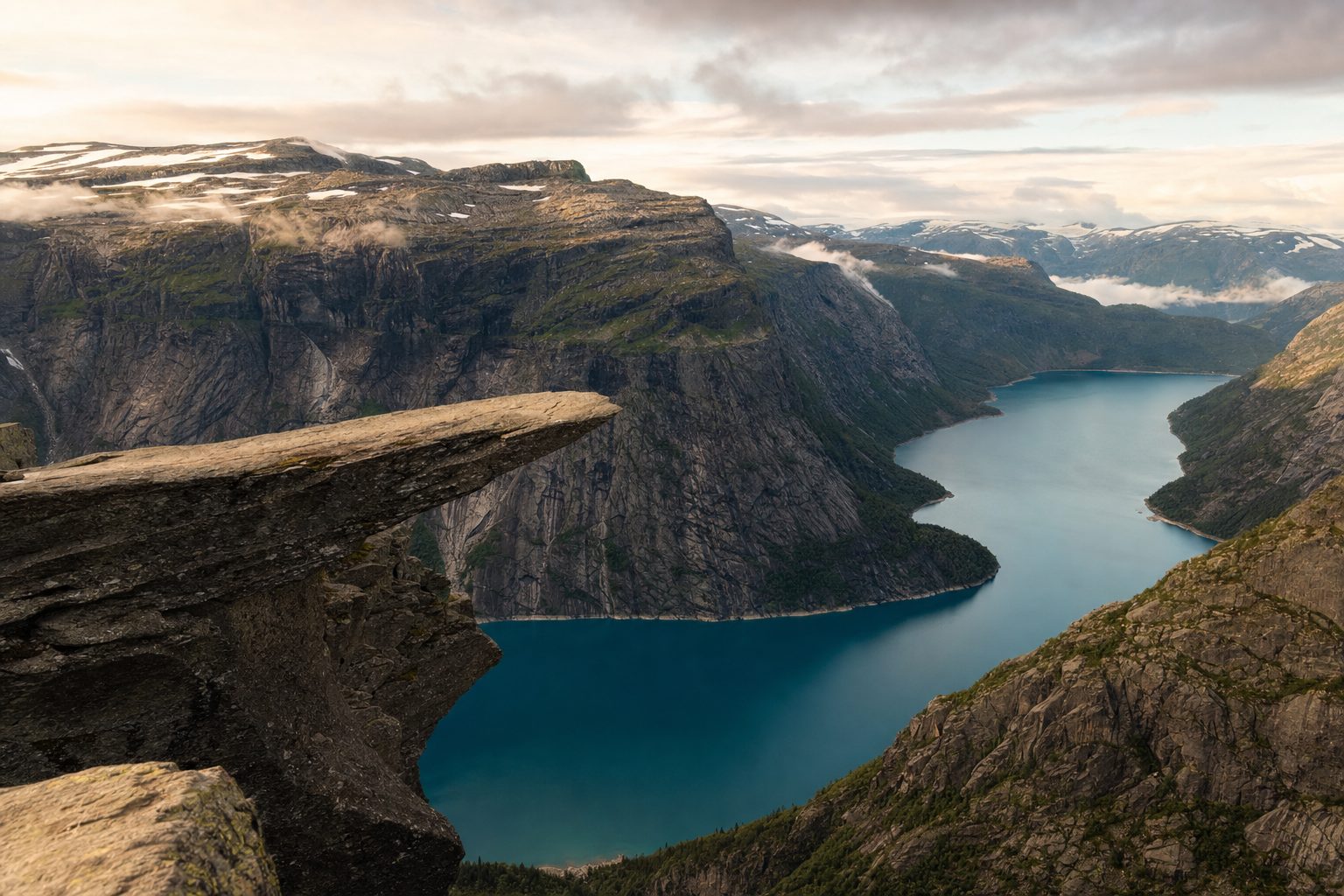
Norway's most vertiginous photo stop sits at the end of a hard 11-kilometre hike above the Lysefjord — and the chains that make it possible come down each autumn. Here is how to time it, reach it and decide about the step.
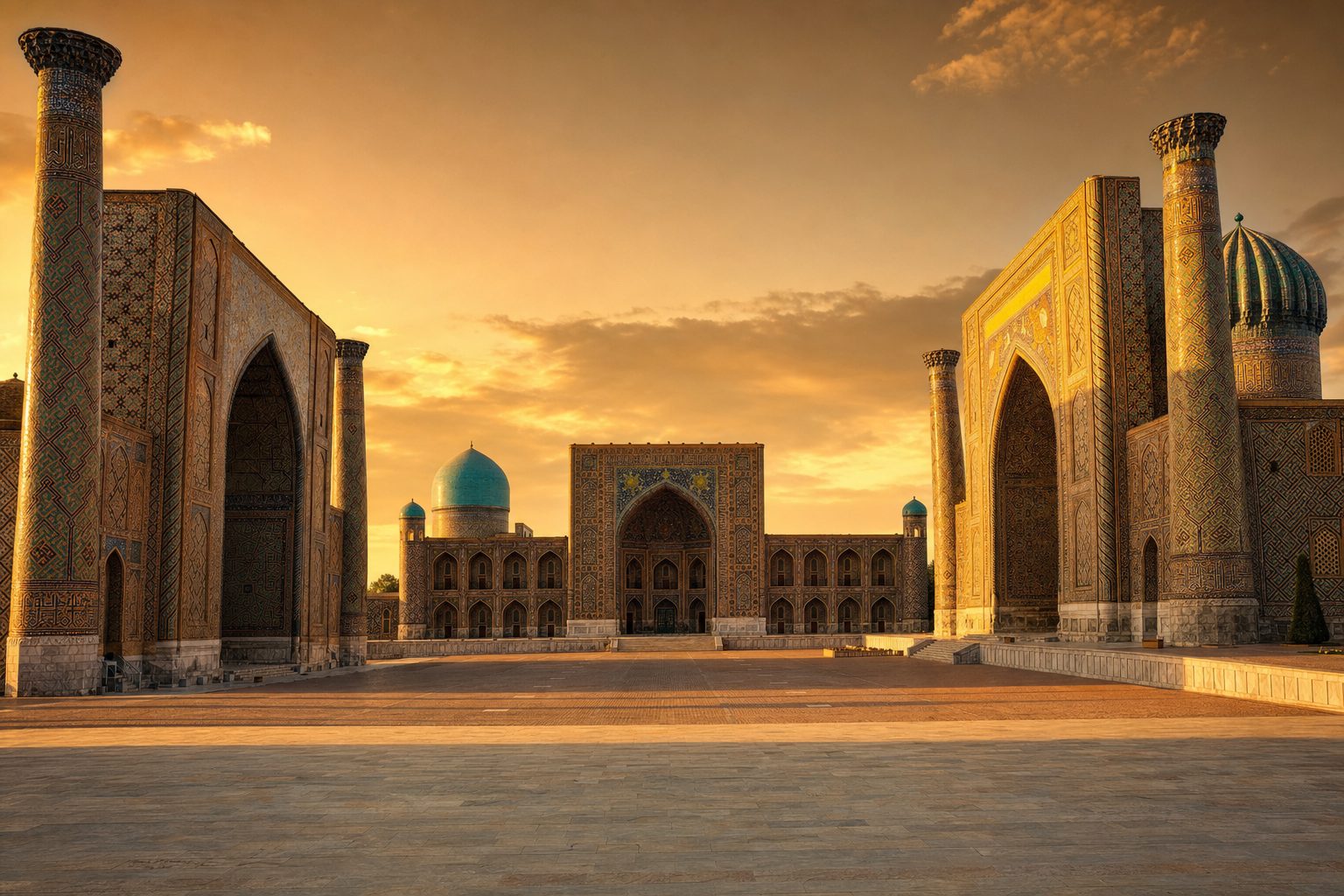
The Registan's three madrasas span 600 years on one square. How to book the Afrosiyob train, time your tickets around the tour groups, and see Shah-i-Zinda and Gur-e-Amir in their best light.
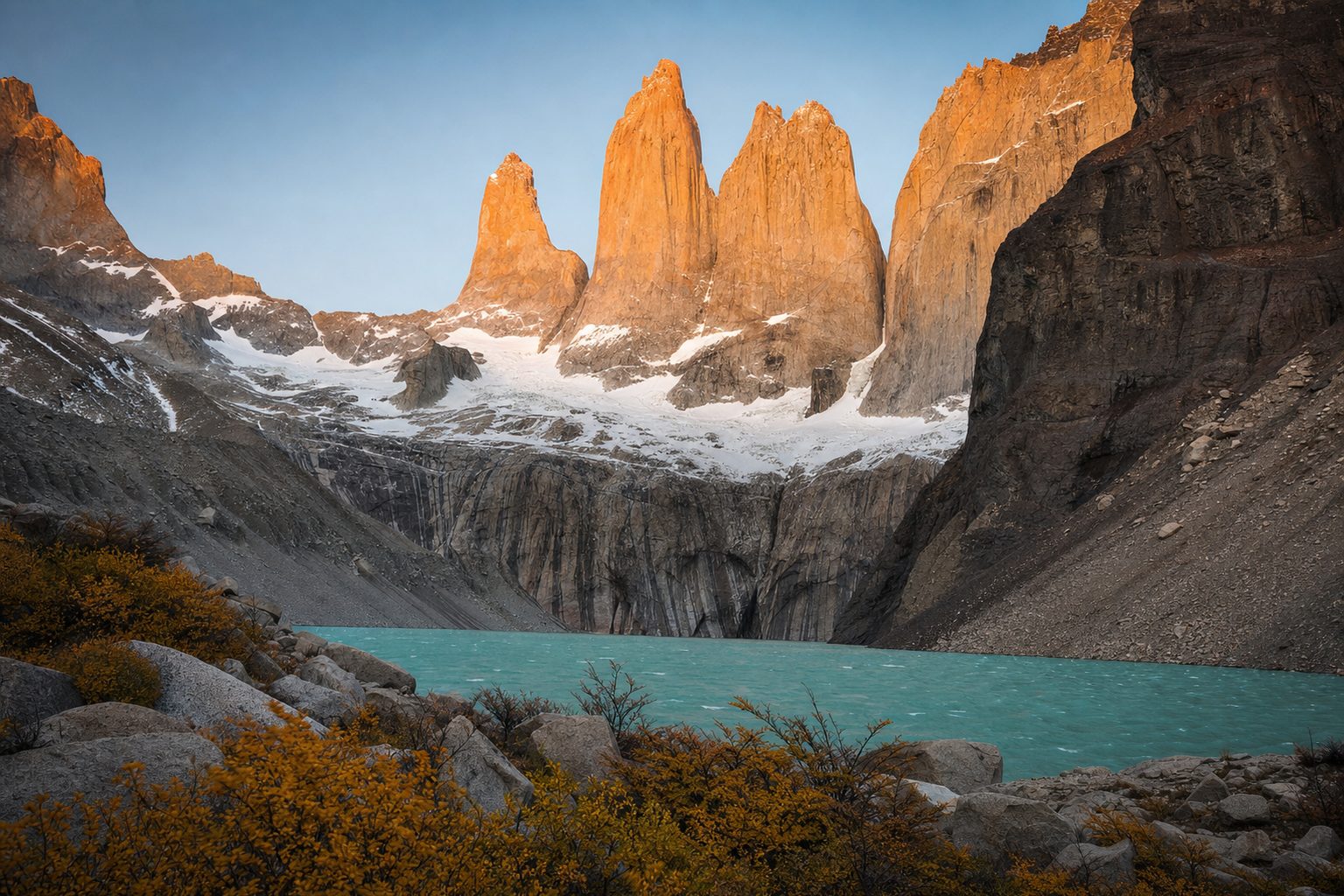
Chile's flagship Patagonian park runs on strict rules: no flames anywhere, tickets bought online in advance, and refugios reserved months ahead. Here is how to plan it properly.
Norway's most photographed ledge demands a 27-kilometre day and an early start. How the 11:00 cut-off works, which of the three trailheads to choose, and how to plan the shuttles, parking and weather windows.
Morocco's blue-washed mountain town has no airport, no train and no agreed story for its colour. Here is how to reach Chefchaouen by road, why an overnight beats a day trip, and when the blue is at its best.
Norway's most photographed cliff is a free, permit-less hike to a bare granite shelf 604 metres above Lysefjord. Here is how to reach the trailhead from Stavanger, when to start, and how to treat an edge with no fence.
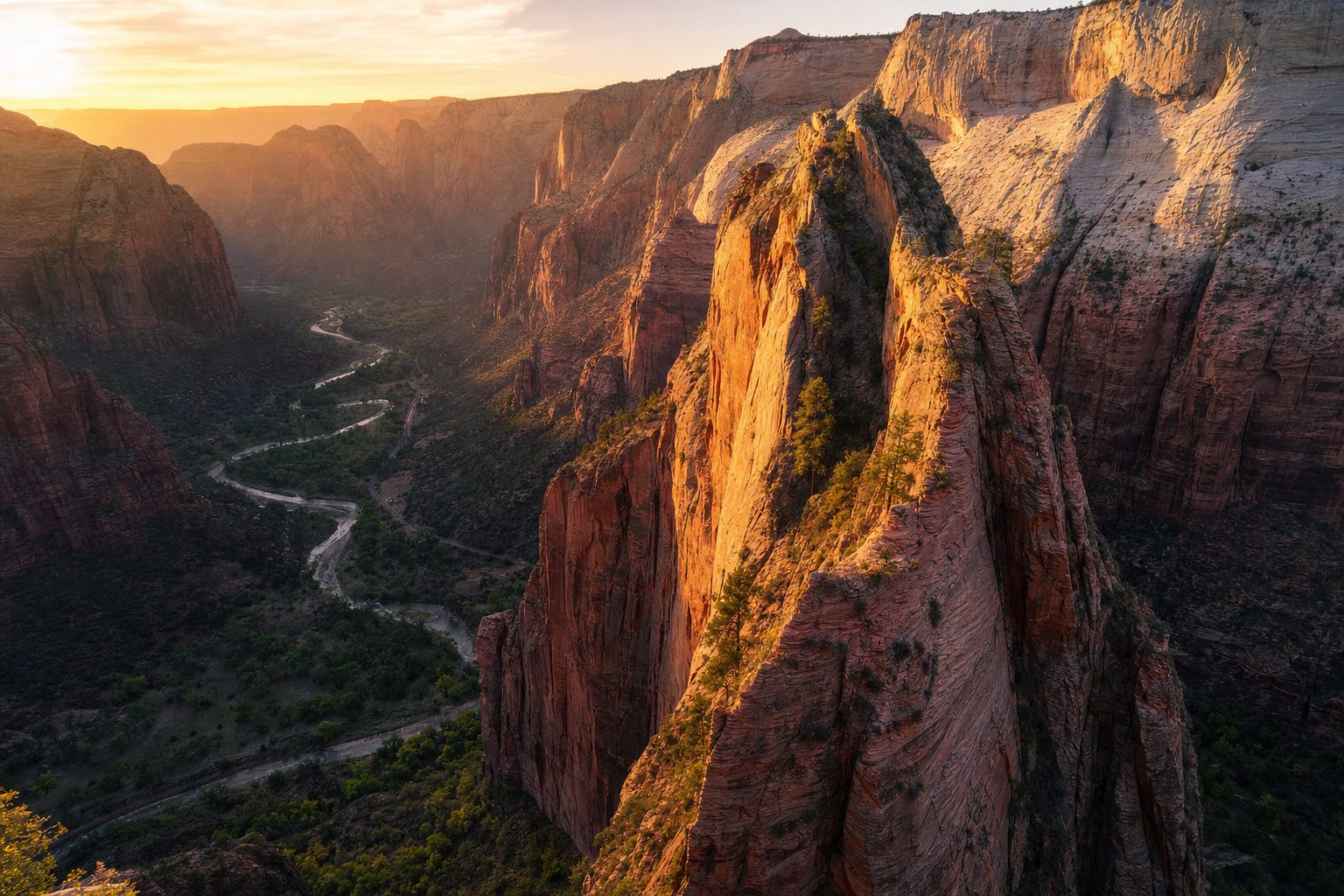
Angels Landing is the hike you have to win: the chained ridge past Scout Lookout needs a lottery permit year-round. How the seasonal and day-before draws work, and how to plan the day around Zion's shuttles.
Pena's ticket time is the palace slot, not the park gate — and that detail decides your whole day. How to plan tickets, trains and the 434 bus so one day in Sintra actually works.
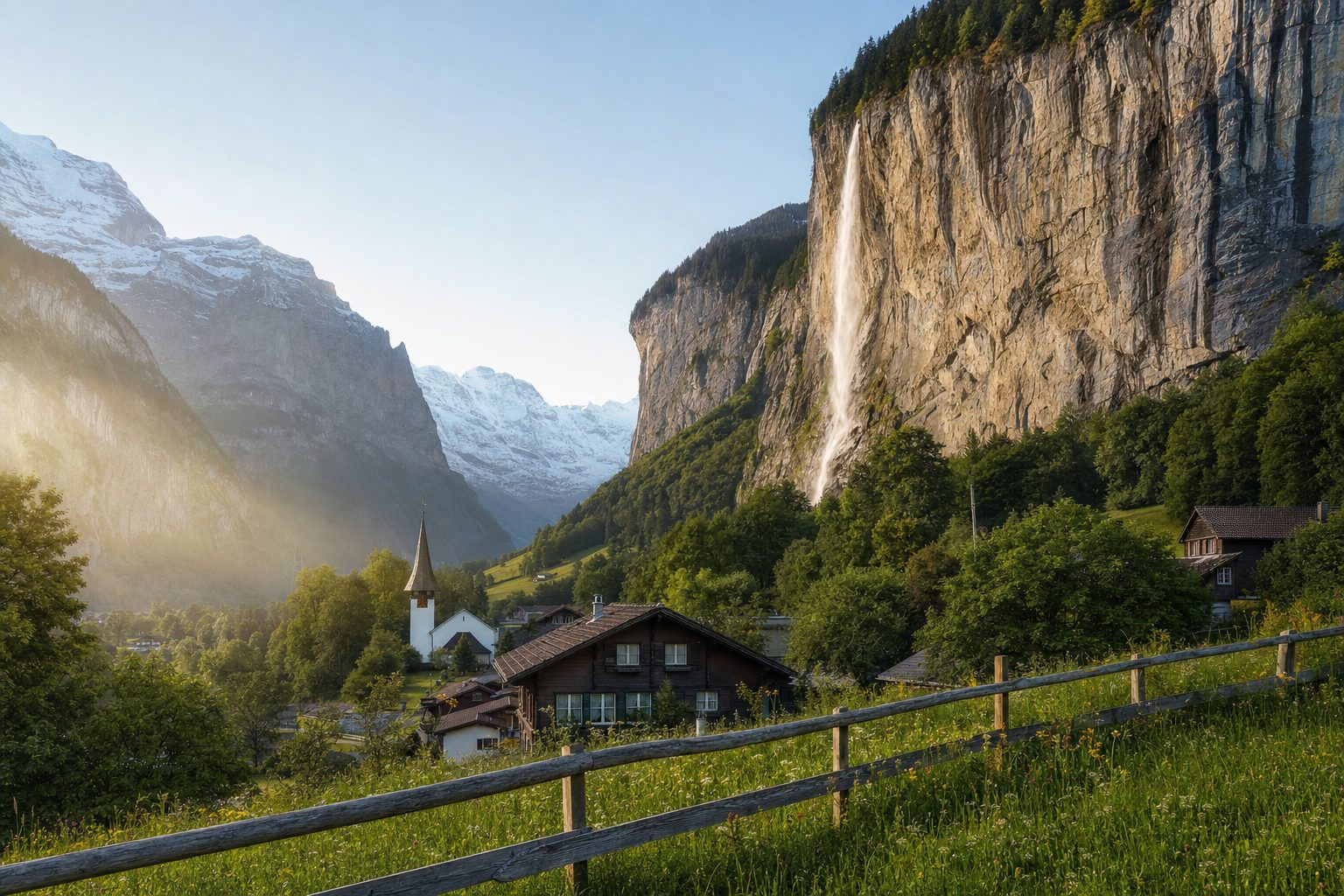
Switzerland's most photographed valley counts 72 waterfalls and two villages you cannot drive to. Here is how to plan the trains, the falls, the fees and an overnight stay that beats the crowds.
Beijing's most rewarding stretch of the Great Wall sells tickets against your passport, runs two competing lifts and lets you ride a toboggan back down. Here is how the booking, the towers and the descent actually work.
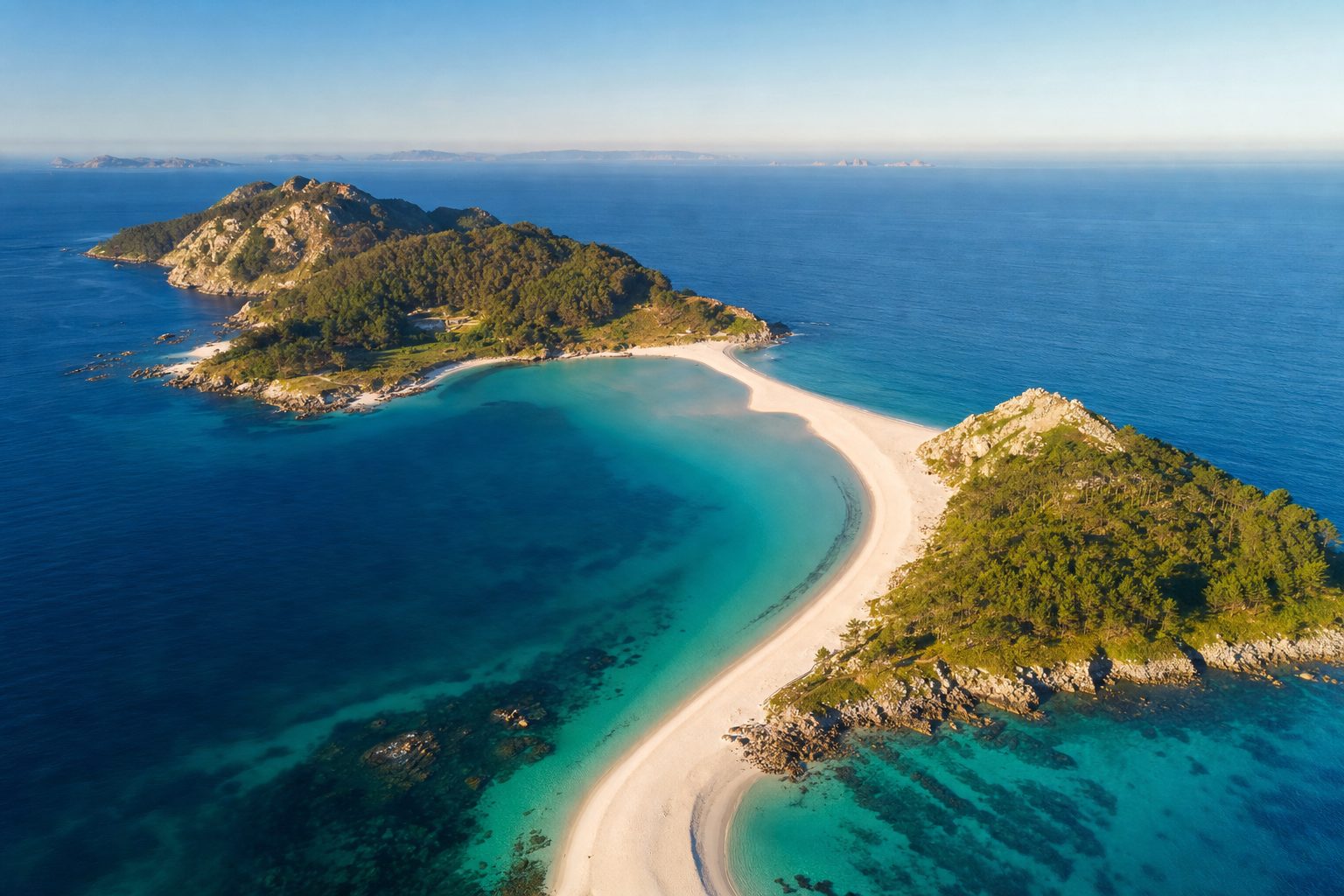
Spain's Cíes Islands cap visitors at 1,800 a day and make every ferry ticket conditional on a free government permit. Here is how the authorisation, the boats and the beach actually work.
Entering Capri's Blue Grotto means lying flat in a four-person rowboat while a skipper hauls you through a metre-high gap in the cliff. Here is how the tickets, the timing and the sea decide whether you get in.
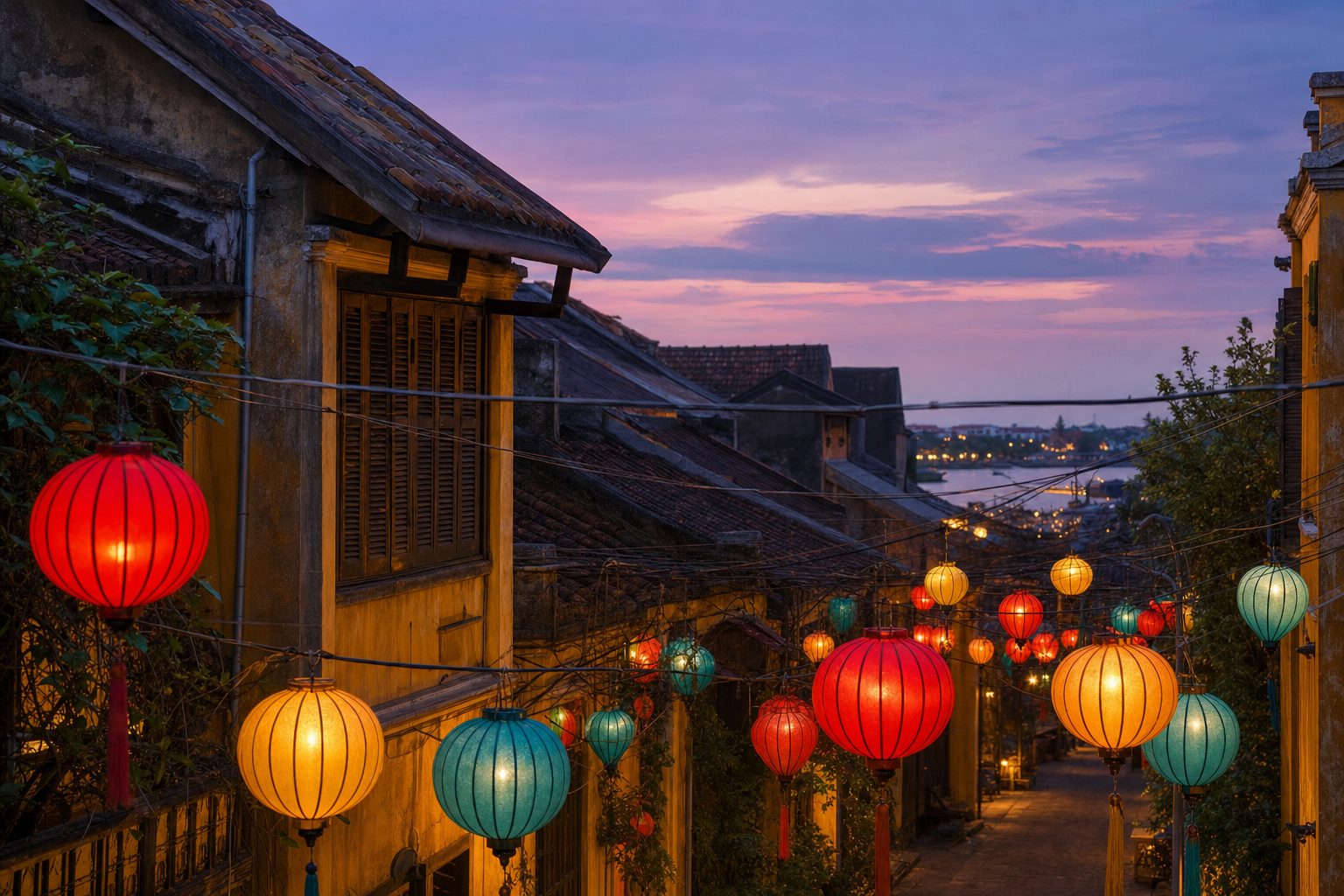
On the fourteenth night of each lunar month, Hoi An switches off its electric lights and runs on silk lanterns alone. Here is how the heritage ticket, the river boats and the 2026 dates fit together.
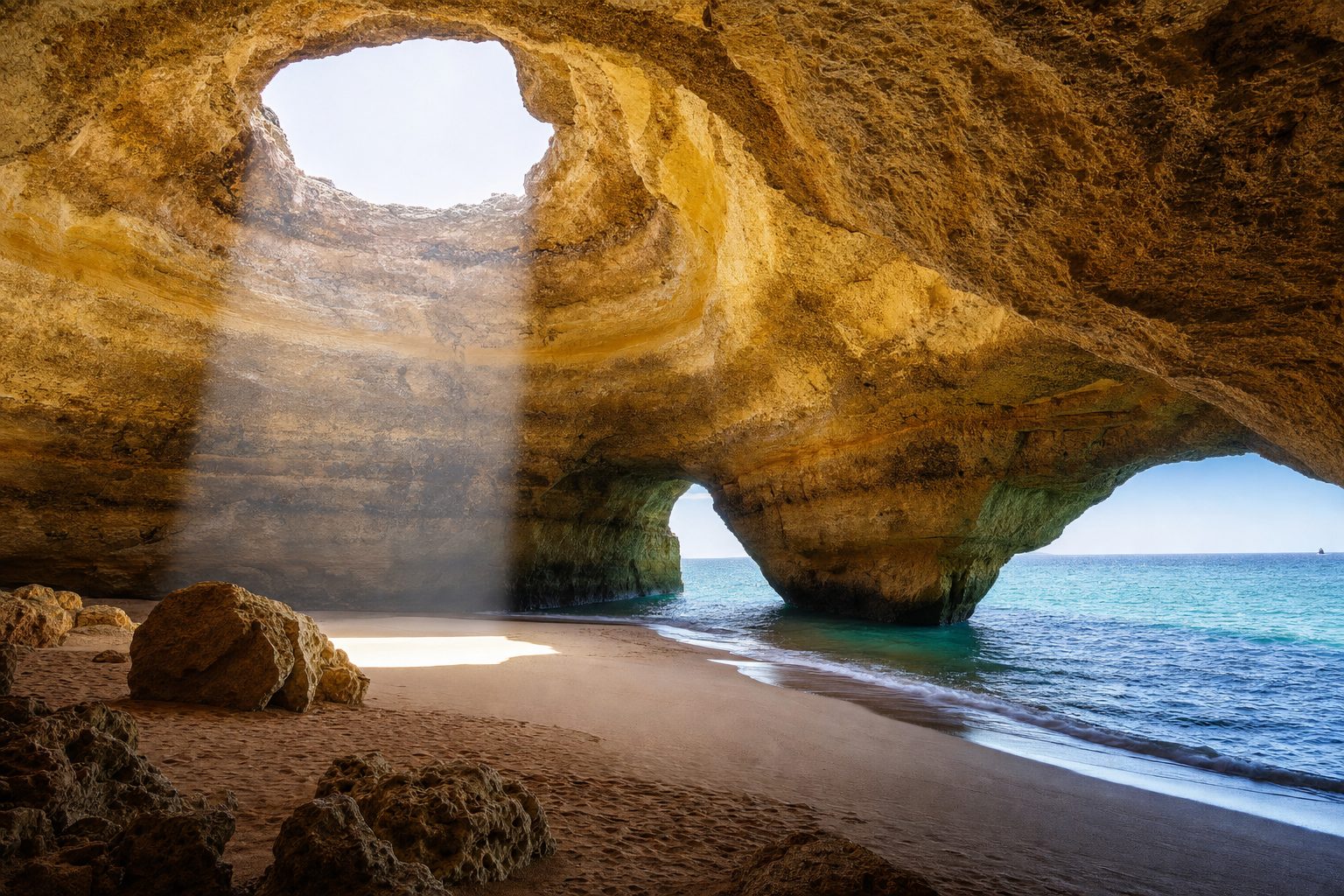
Swimming into Algar de Benagil has been banned since 2023, and since August 2024 a licensed boat or guided kayak tour is the only lawful way in - here is how to book one and when to go.
No car has reached the rock since a 2014 footbridge replaced the causeway, so the real planning questions are which parking shuttle to catch, when to book the abbey, and which tide coefficient to chase.
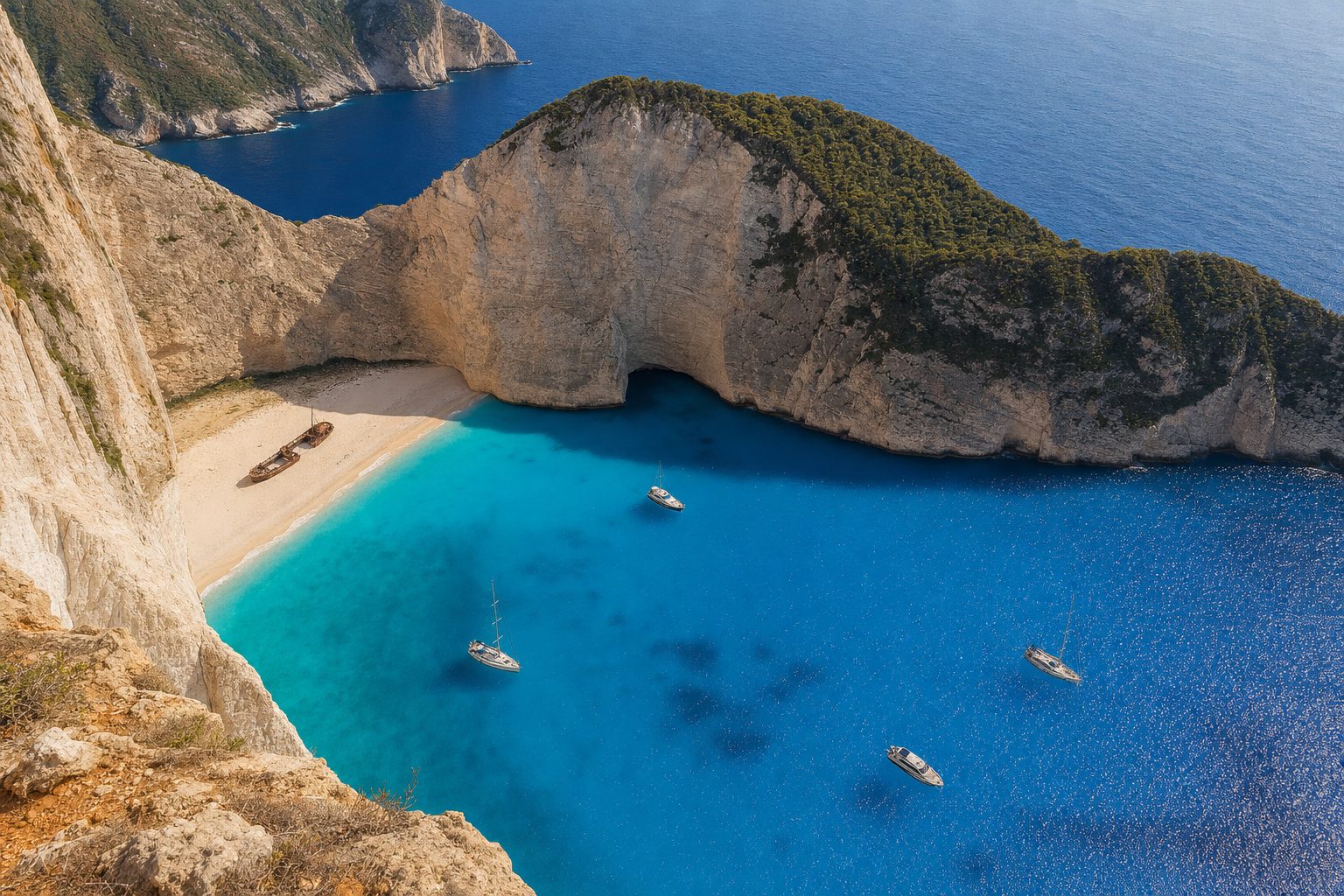
Navagio has been off-limits to landings since 2022 and the ban now runs to 31 October 2026, so plan around the clifftop viewpoint and a view-only boat trip, not a walk on the sand.
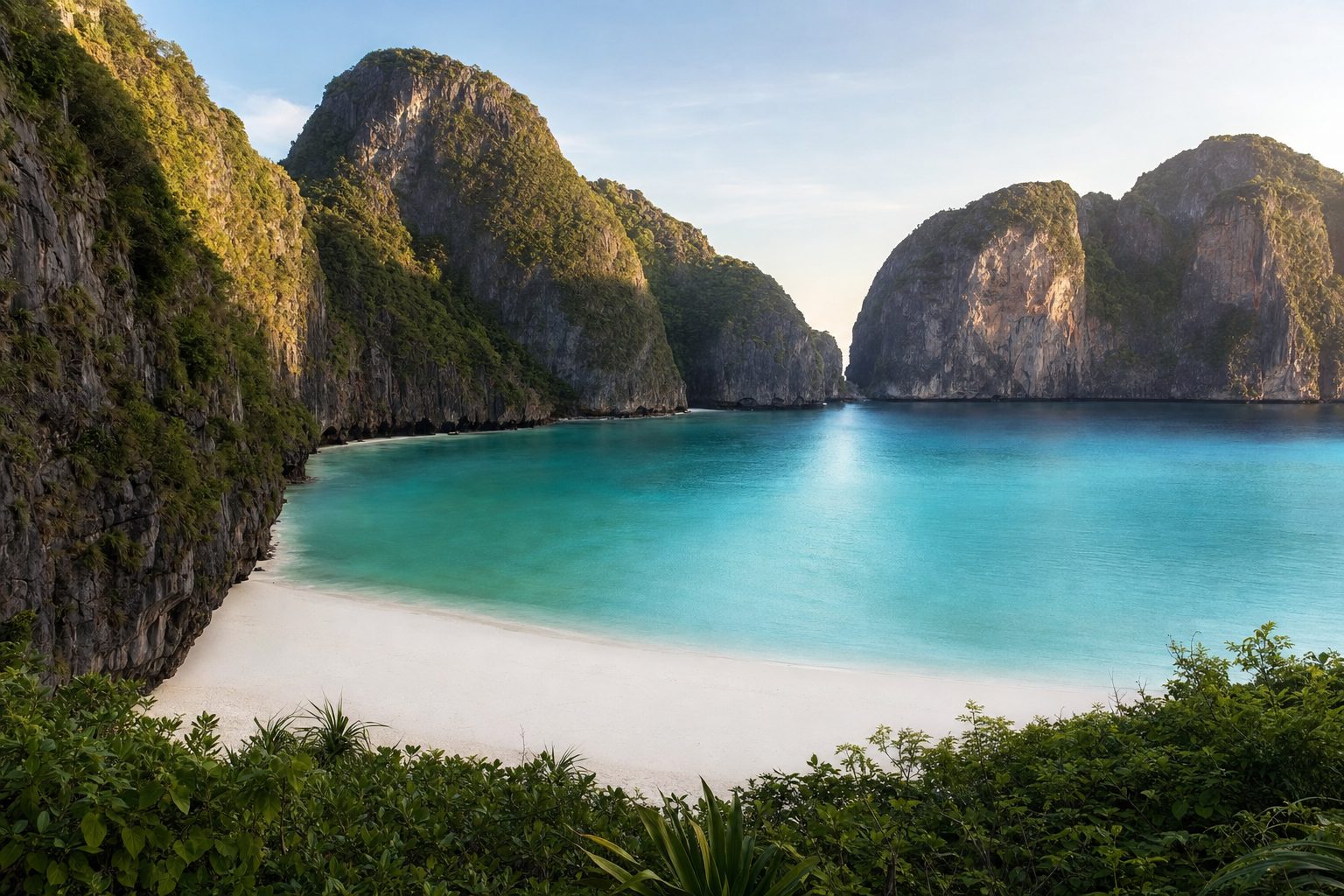
Maya Bay is no longer a swim-and-anchor beach. Plan around its August–September closure, Loh Samah landing, one-hour slots and the conservation rules that now shape every visit.
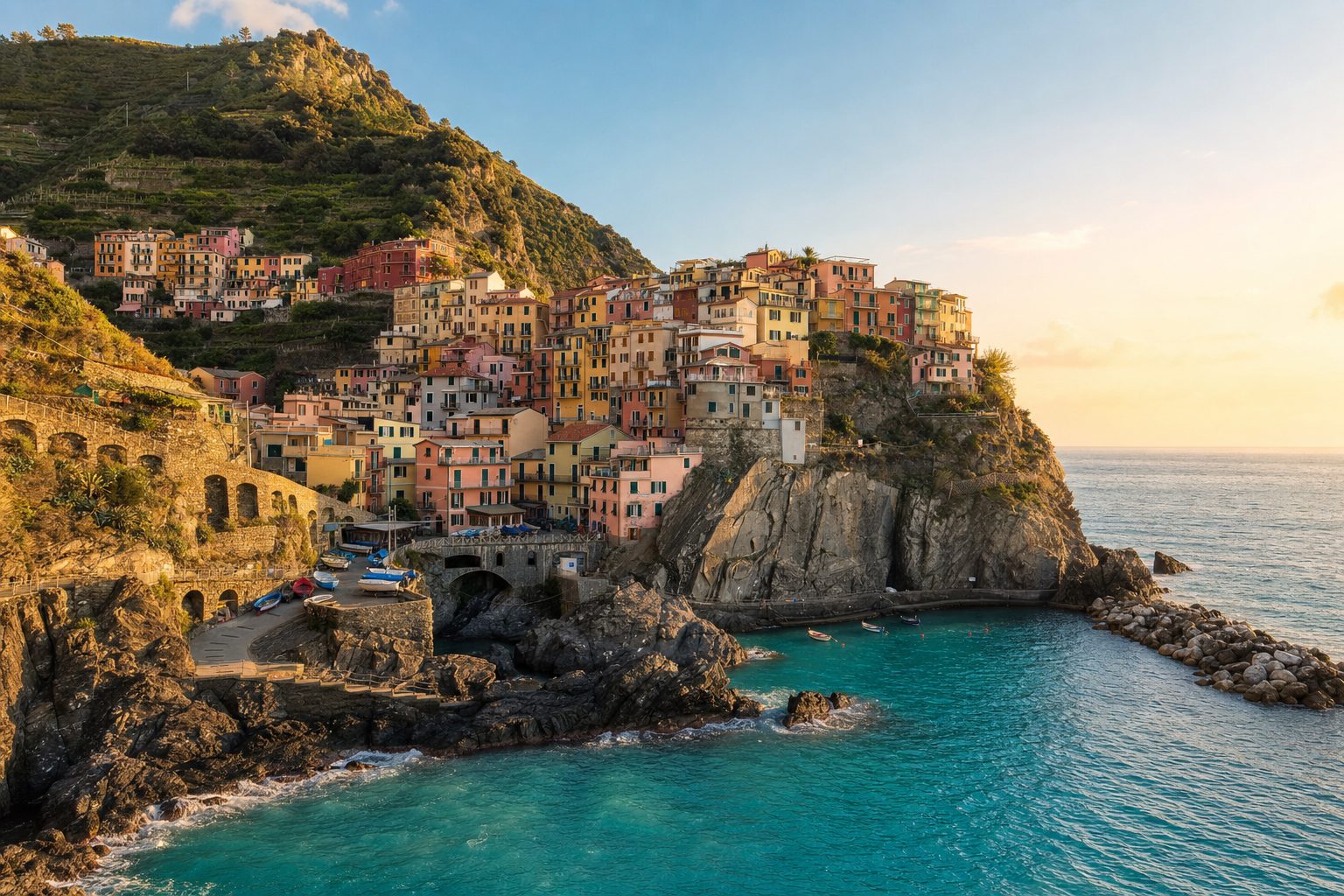
Plan Cinque Terre around the right rail-and-trail card, a timed Via dell’Amore slot and the route closures that shape a first visit to its five villages.
Plan Giza around the ticket that matters, the morning it requires and the new museum’s timed-entry rule. This guide separates the plateau’s realities from the postcard version.
Boracay’s White Beach still delivers its famous pale sand and clear water, but the first decision is practical: sort the entry QR, accredited stay, fees and beach rules before you fly.
Uluṟu is no longer a climb to complete but a living cultural landscape to approach well. Choose the right pass, walking hour, sunrise viewpoint and pace before you arrive.
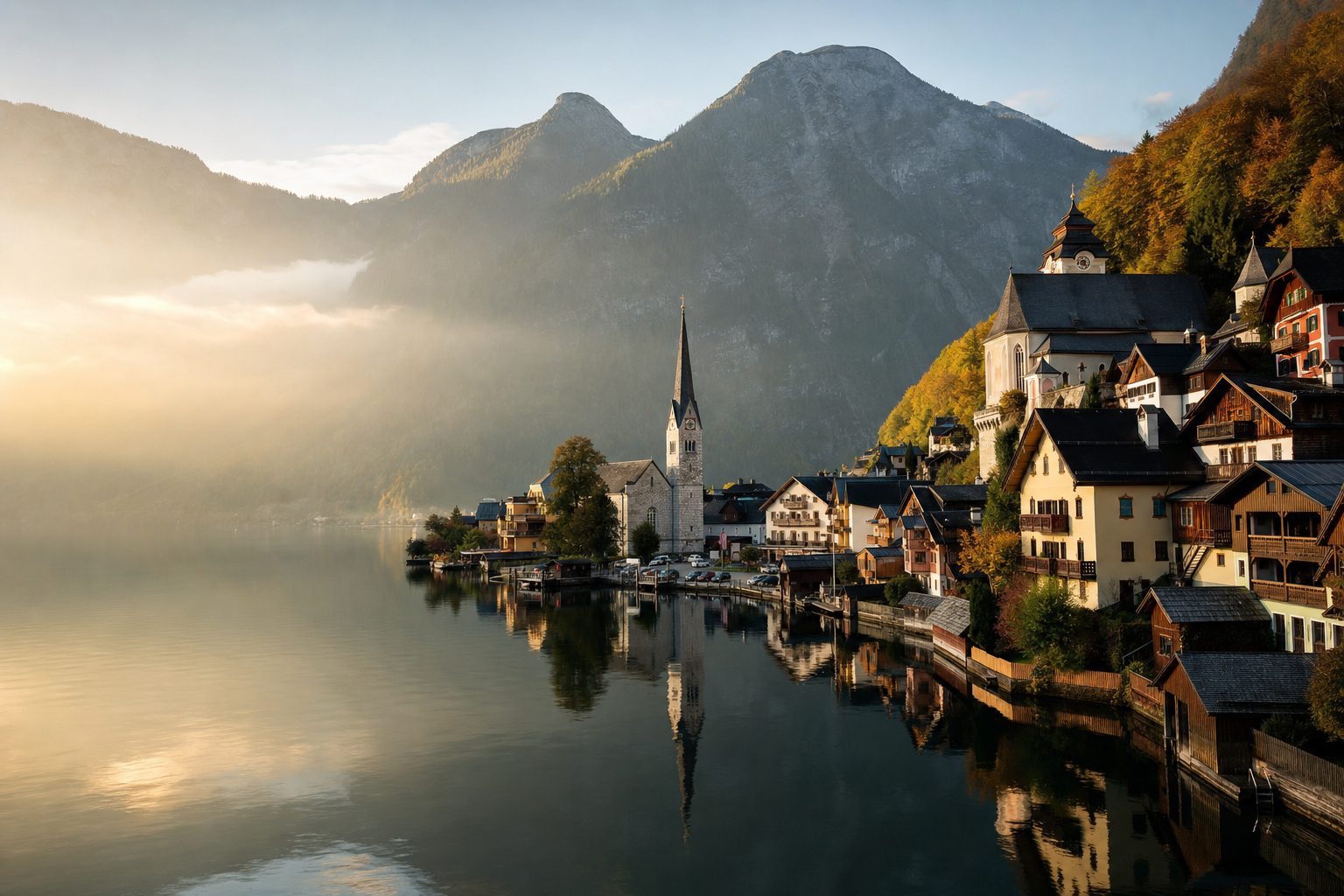
Plan Hallstatt for the 29 August 2026 salt-mine reopening, then use early and late hours, sensible parking and new coach controls to see a very small village well.
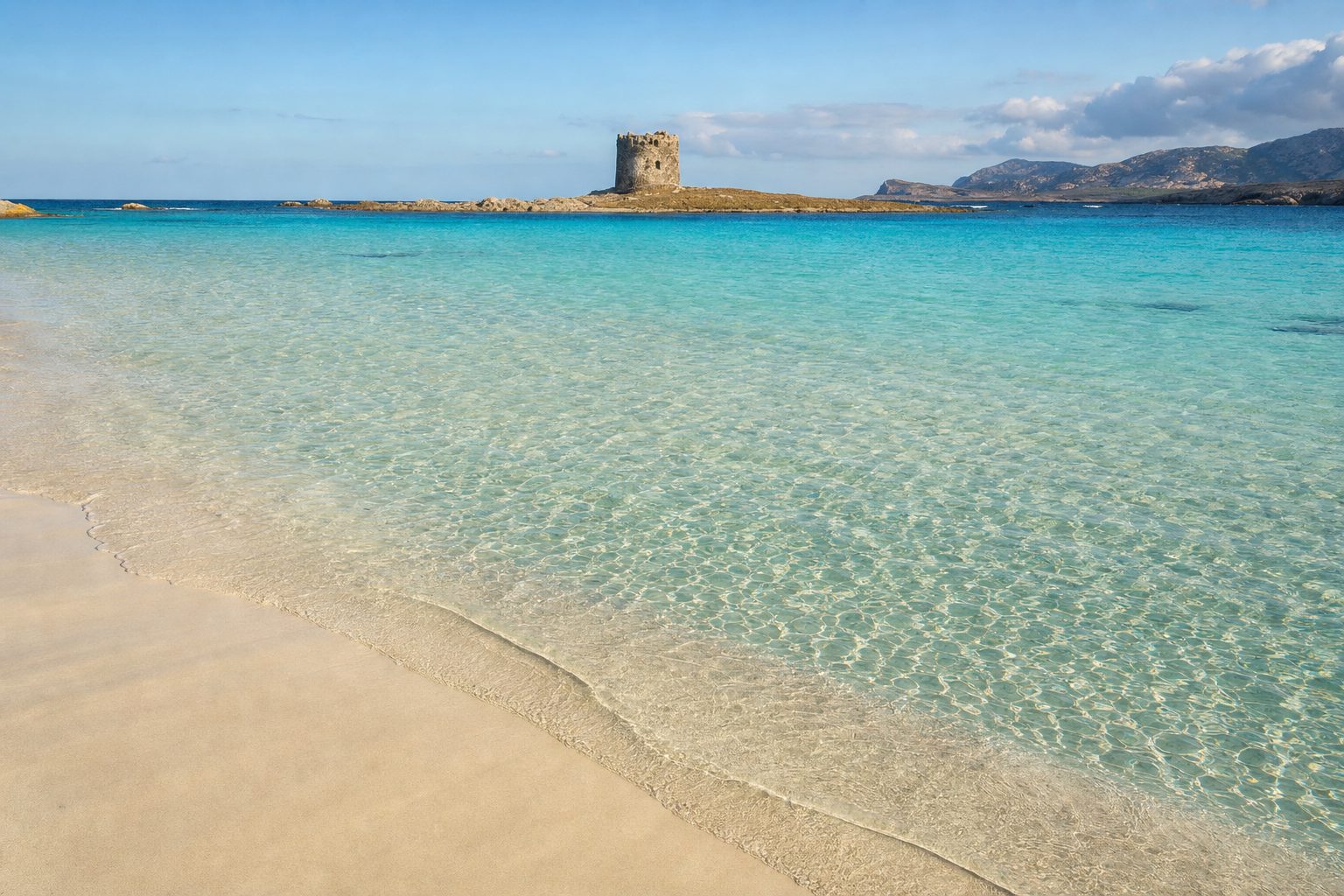
Plan La Pelosa around its 2026 reservation cap, the 48-hour ticket release and a strict sand-protection rule, then use the evening window or quieter Stintino beaches well.
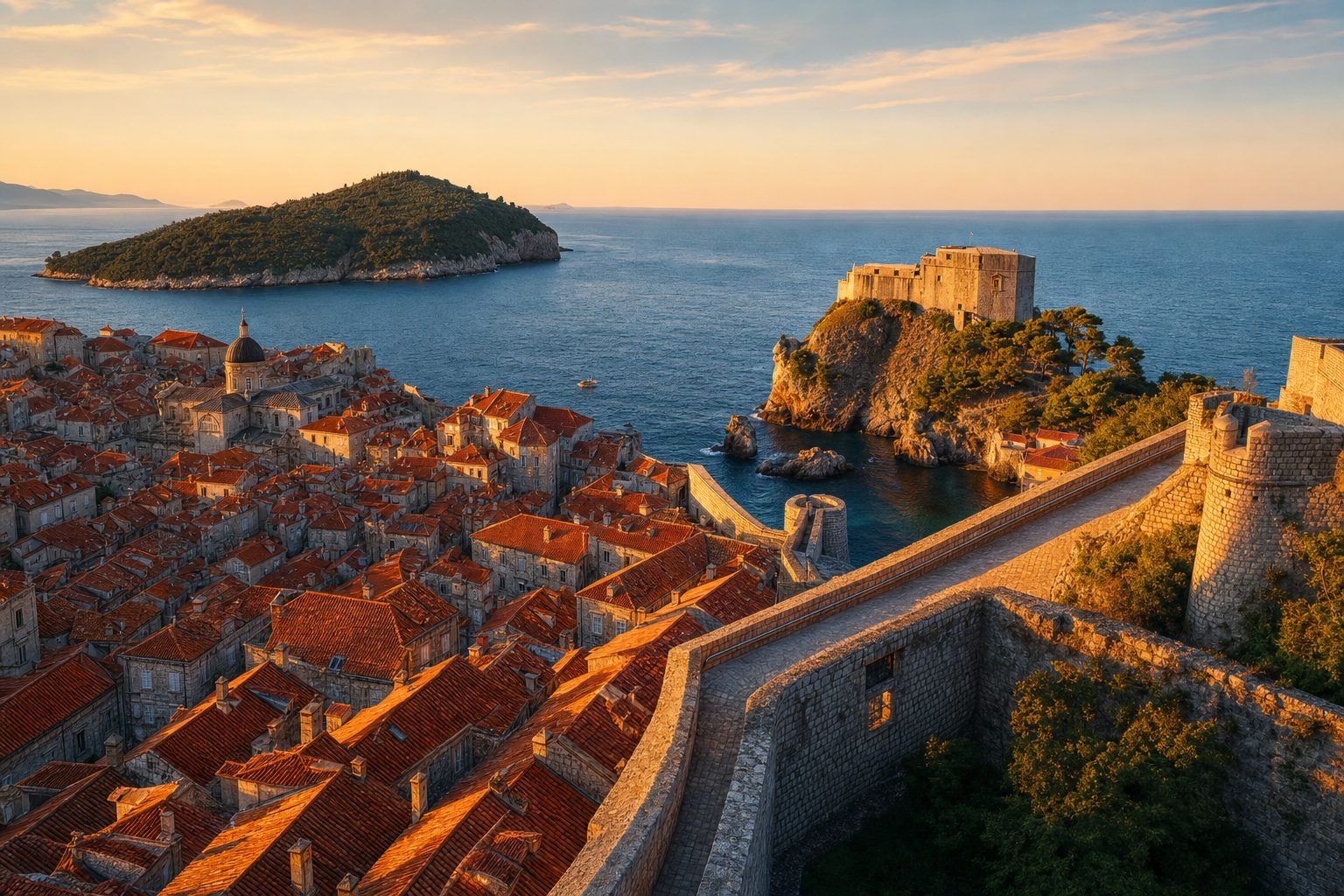
Plan Dubrovnik Old Town around the cruise calendar, required online wall booking and a pass that makes the price of the ramparts work harder, then leave room for Lokrum or Srđ.
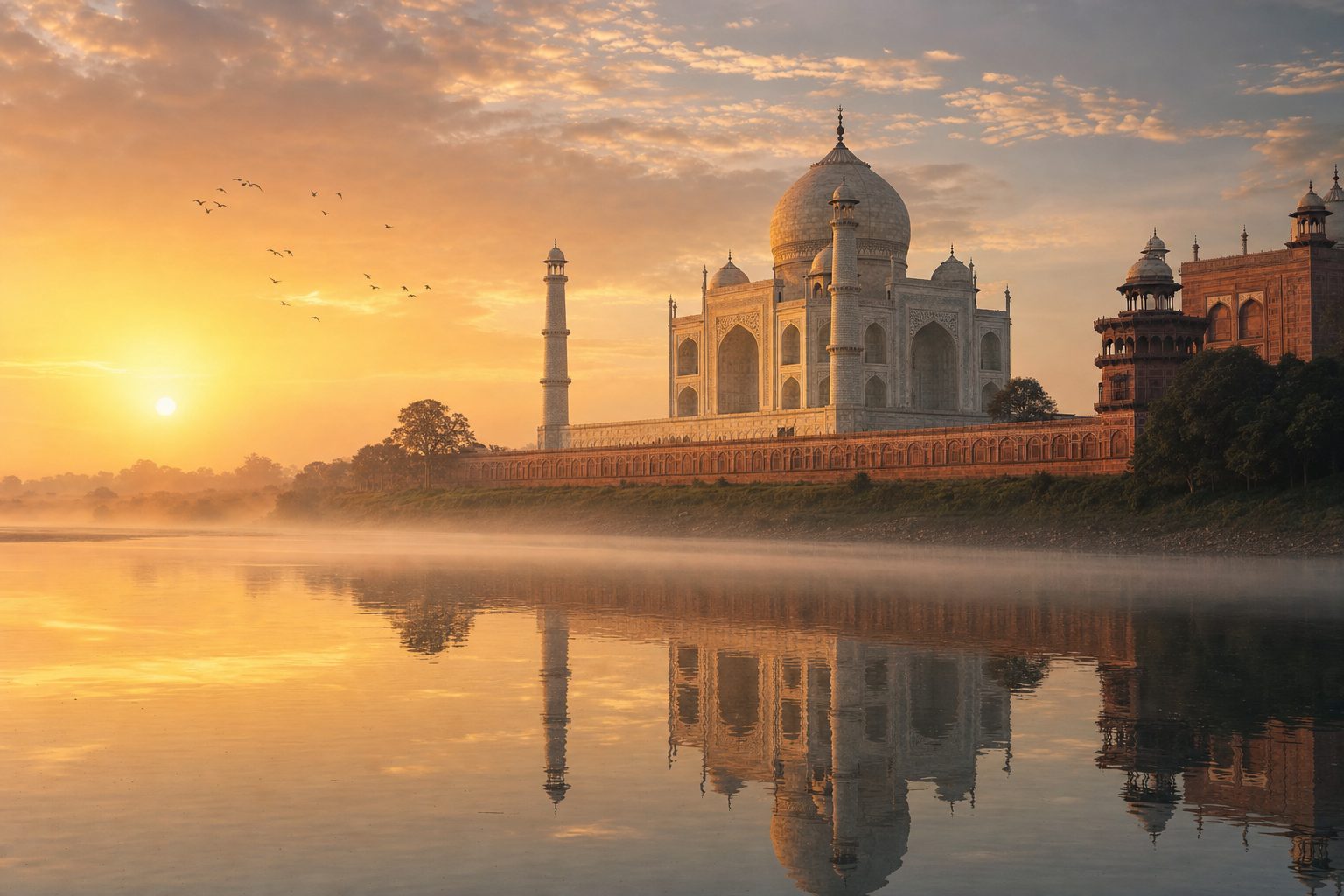
The Taj Mahal rewards a precise plan: choose the right ticket, arrive before sunrise, understand the Friday closure and decide whether the limited night viewing is worth arranging.
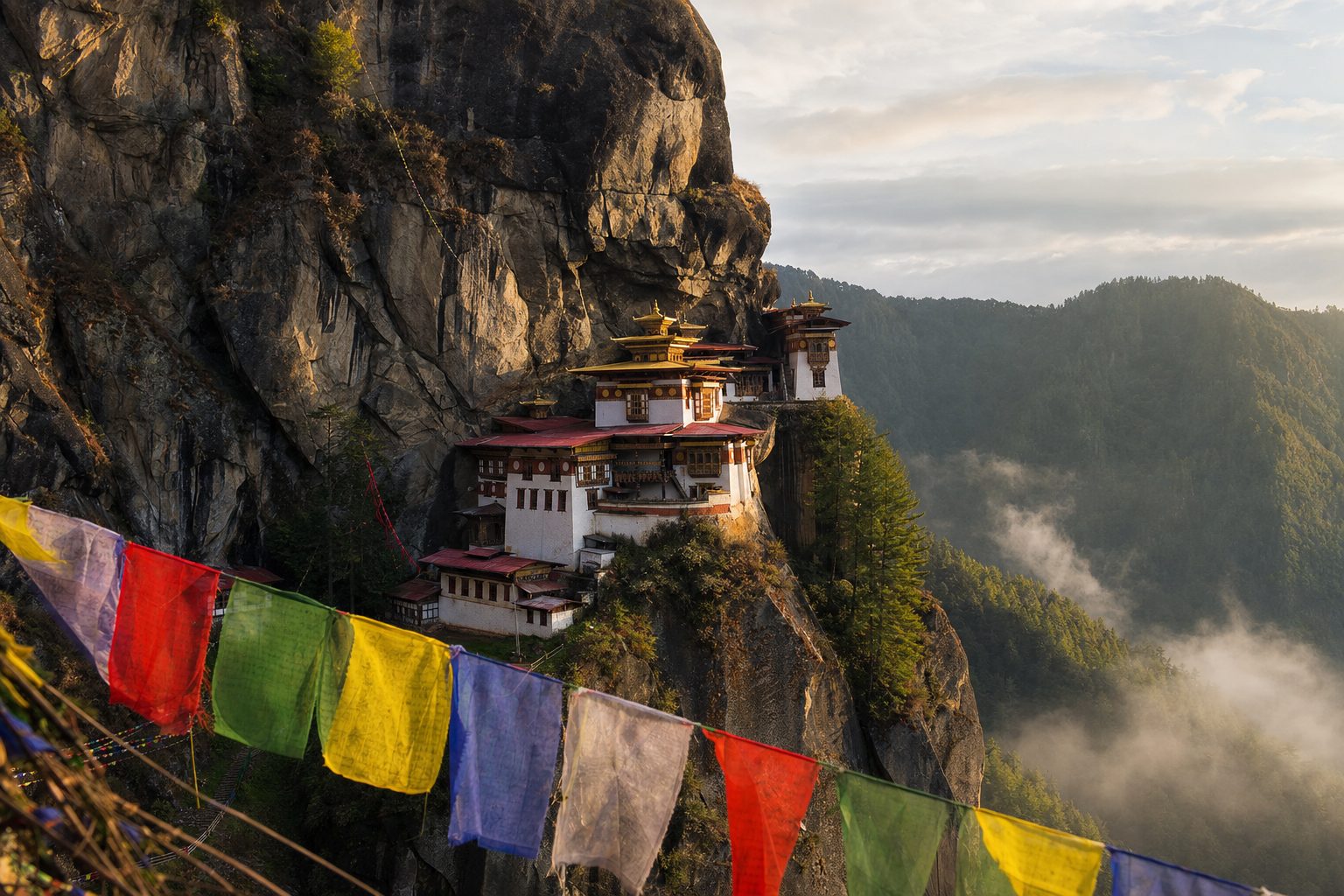
Bhutan’s USD 100 nightly levy, advance visa process and single-airport logistics matter as much as the Tiger’s Nest walk. Plan the fees, guide and mountain day in the right order.
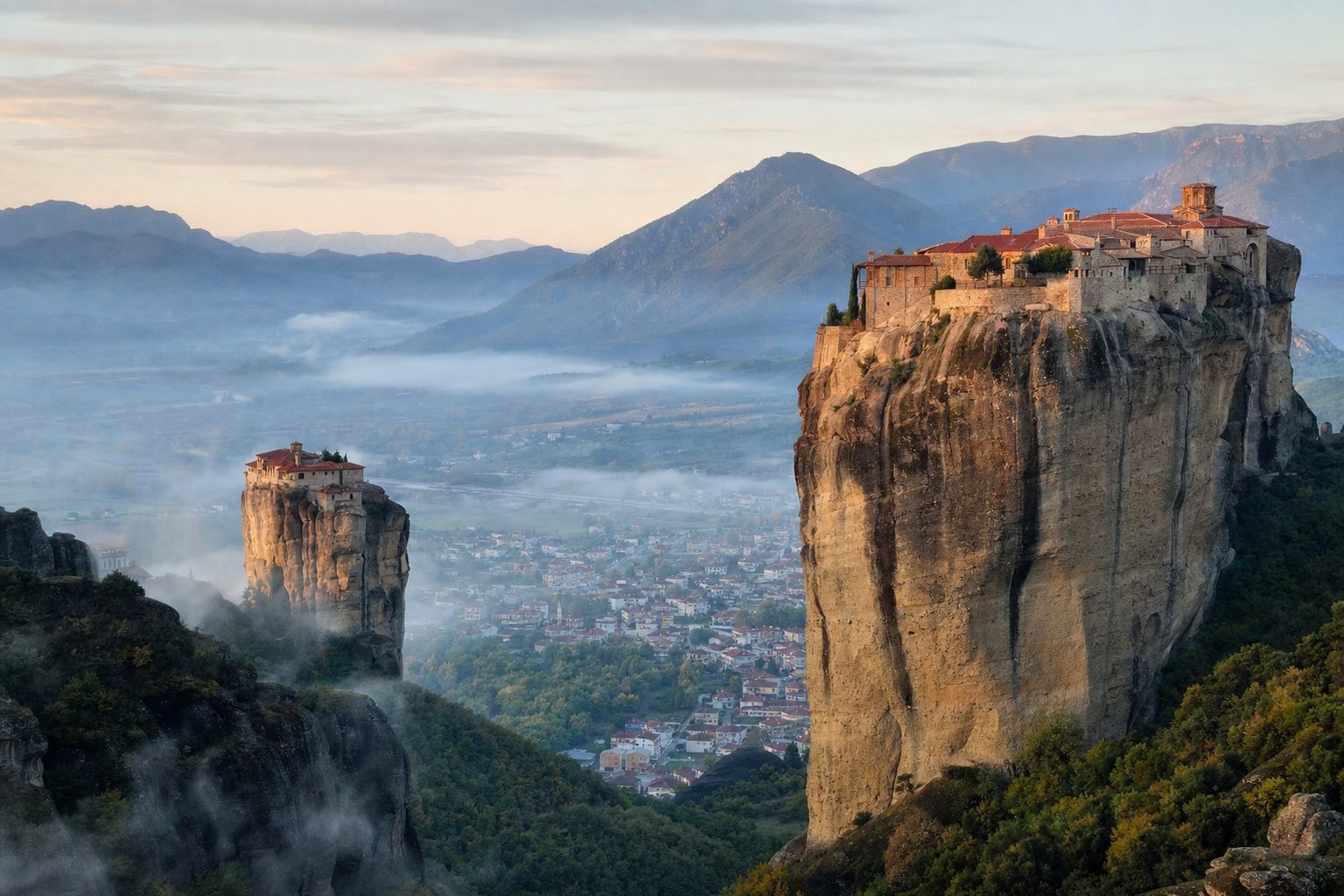
Plan Meteora around the monastery rotation, cash-only gates and strict clothing rules, then arrive early enough to see the rocks before the coach groups do.
Plan Pamukkale around the rules that change the visit: bare feet on the terraces, one combined site ticket, a separate thermal-pool fee and the coach-bus rhythm.
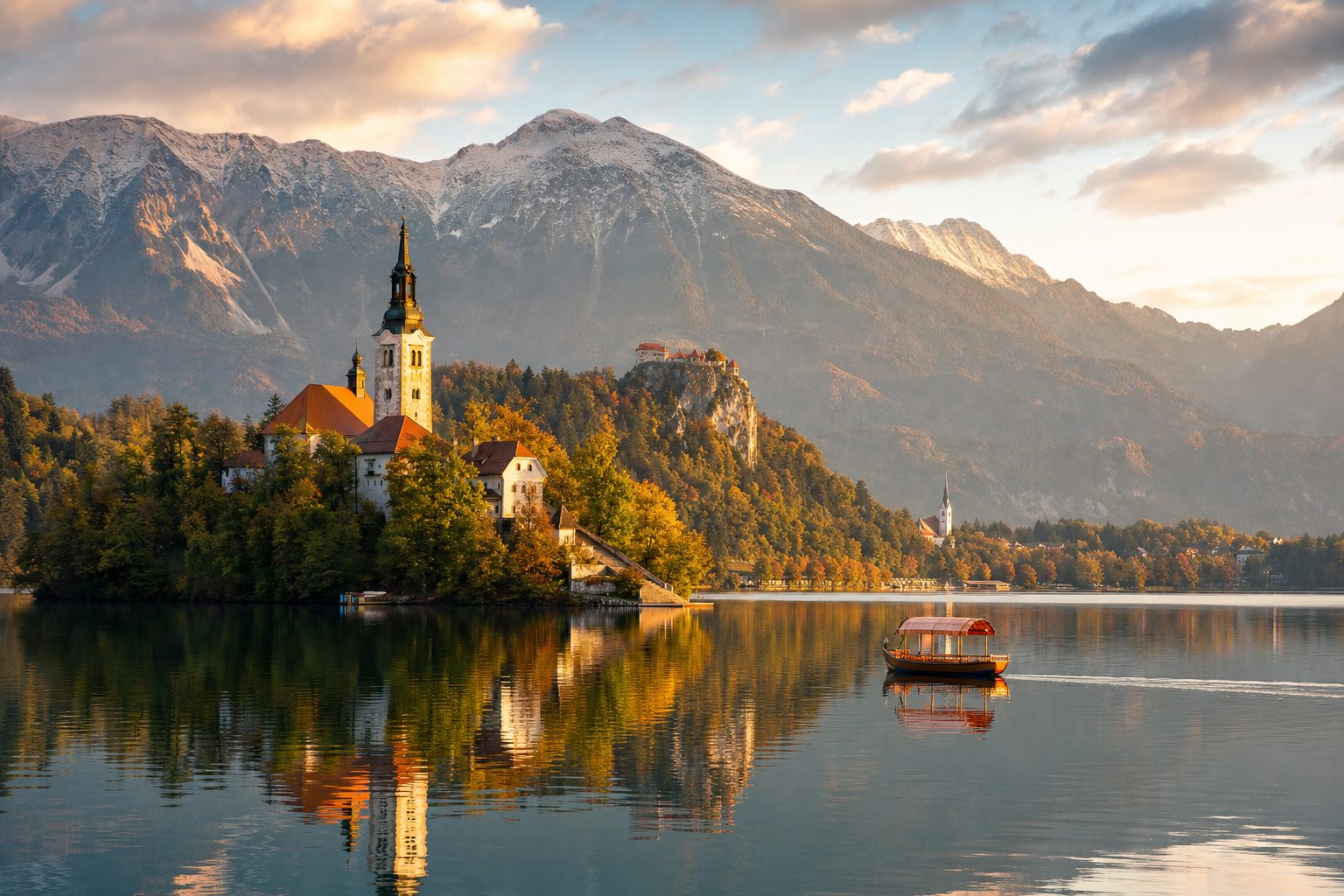
Plan Lake Bled around the traditional pletna, timed Vintgar Gorge entry and quieter viewpoints, with the prices, transport choices and timing that matter in 2026.
Visby is best approached as a walkable medieval town with a ferry timetable, a summer traffic rule and a festival calendar—not as a place to rush through by car.
At Sossusvlei, the right bed, gate and vehicle matter more than a long checklist. Plan the dawn window well and the dunes, Deadvlei and deep sand become manageable.
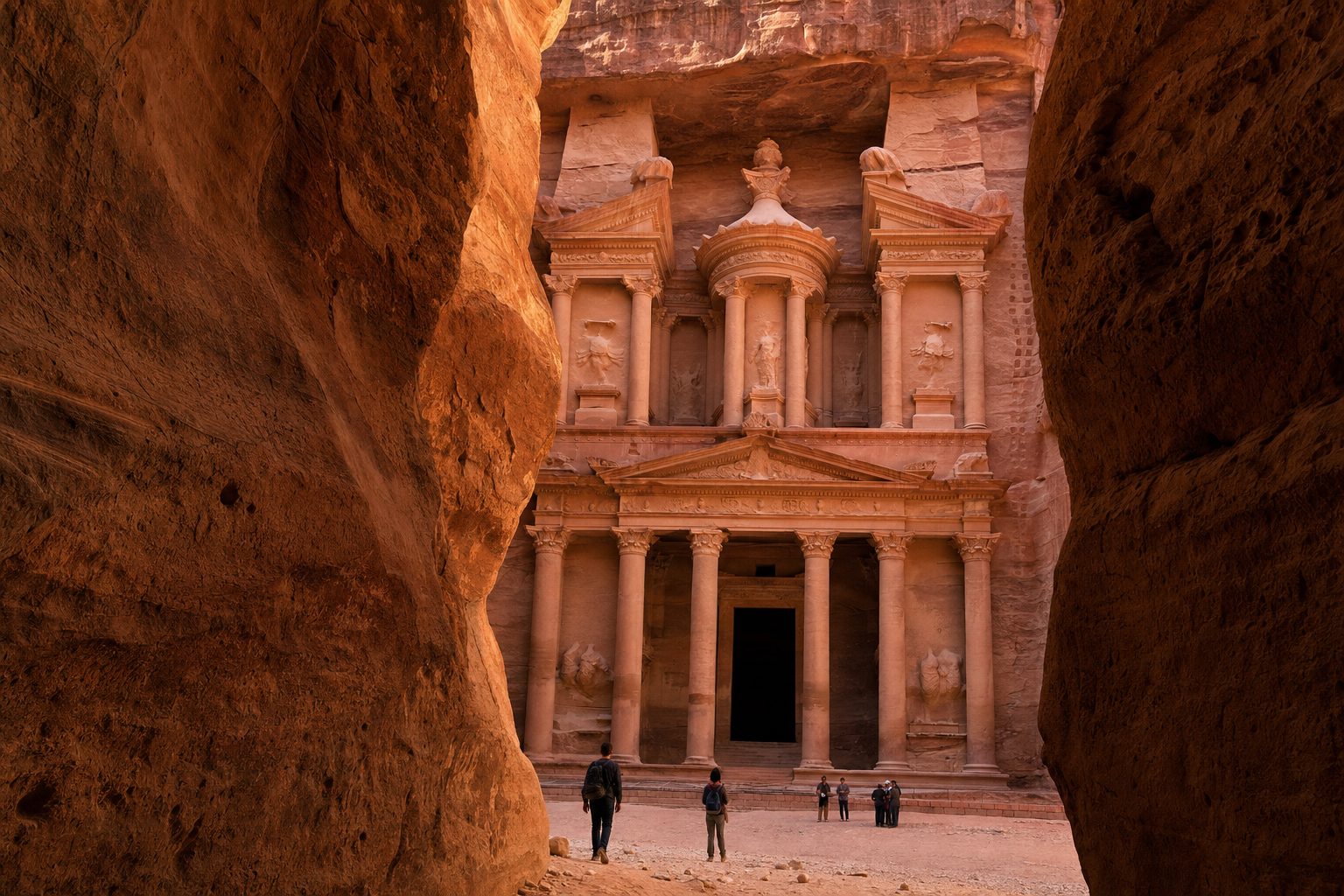
A first visit to Petra works best when its ticket rules, long walking routes and separate night show are planned as one decision, rather than a hurried Treasury stop.
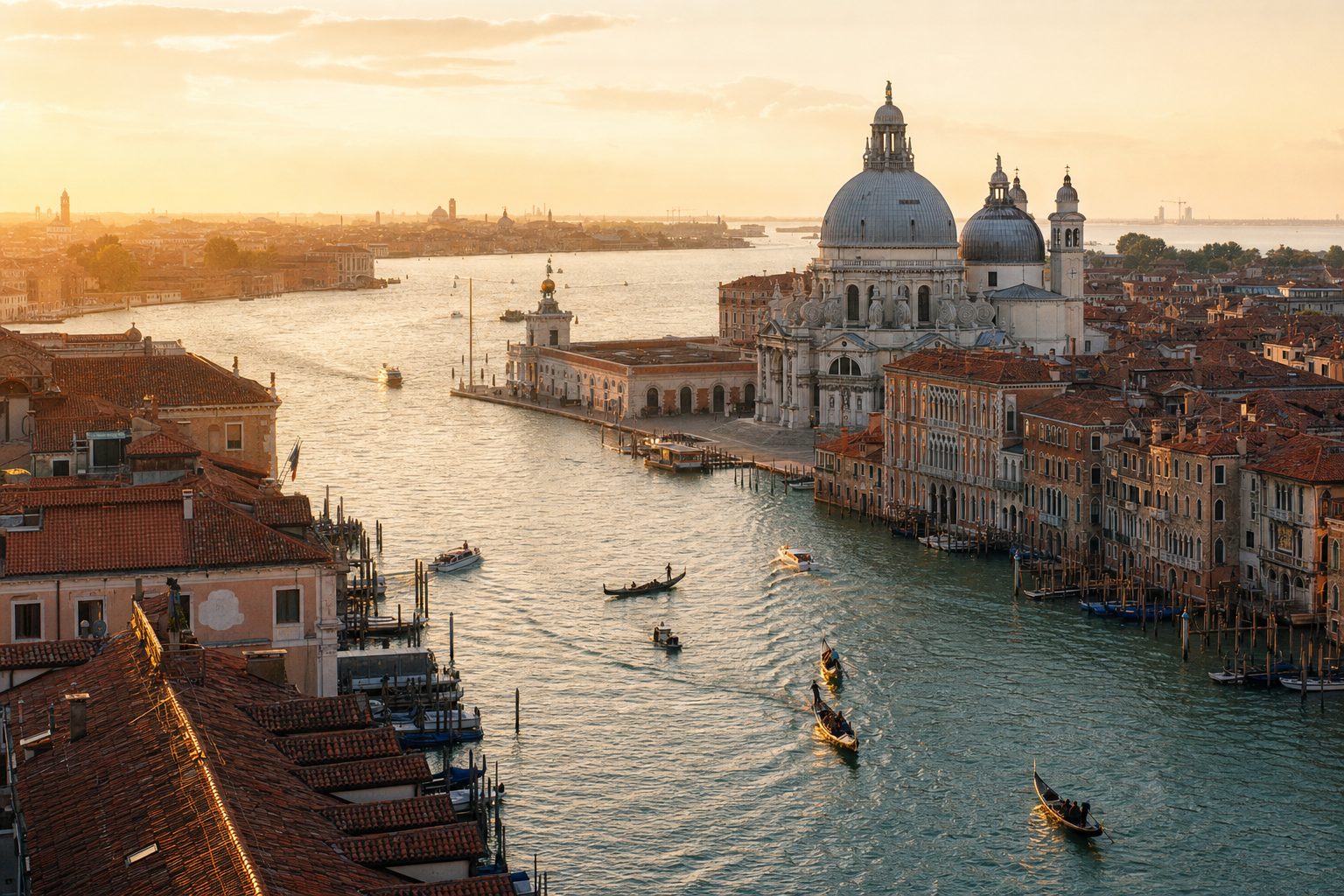
Venice rewards a deliberate visit. Use the 2026 Access Fee rules, water-transport arithmetic and a few careful choices to see the city with more time and less waste.
Fernando de Noronha rewards deliberate planning: two separate visitor charges, limited tide-pool slots and seasonal seas shape everything from your beach choice to the length of your stay.
Angkor Wat's sunrise crowd builds before 5:15am, but the pass rules, opening hours and dress code are all predictable if you plan around them rather than improvise at the gate.
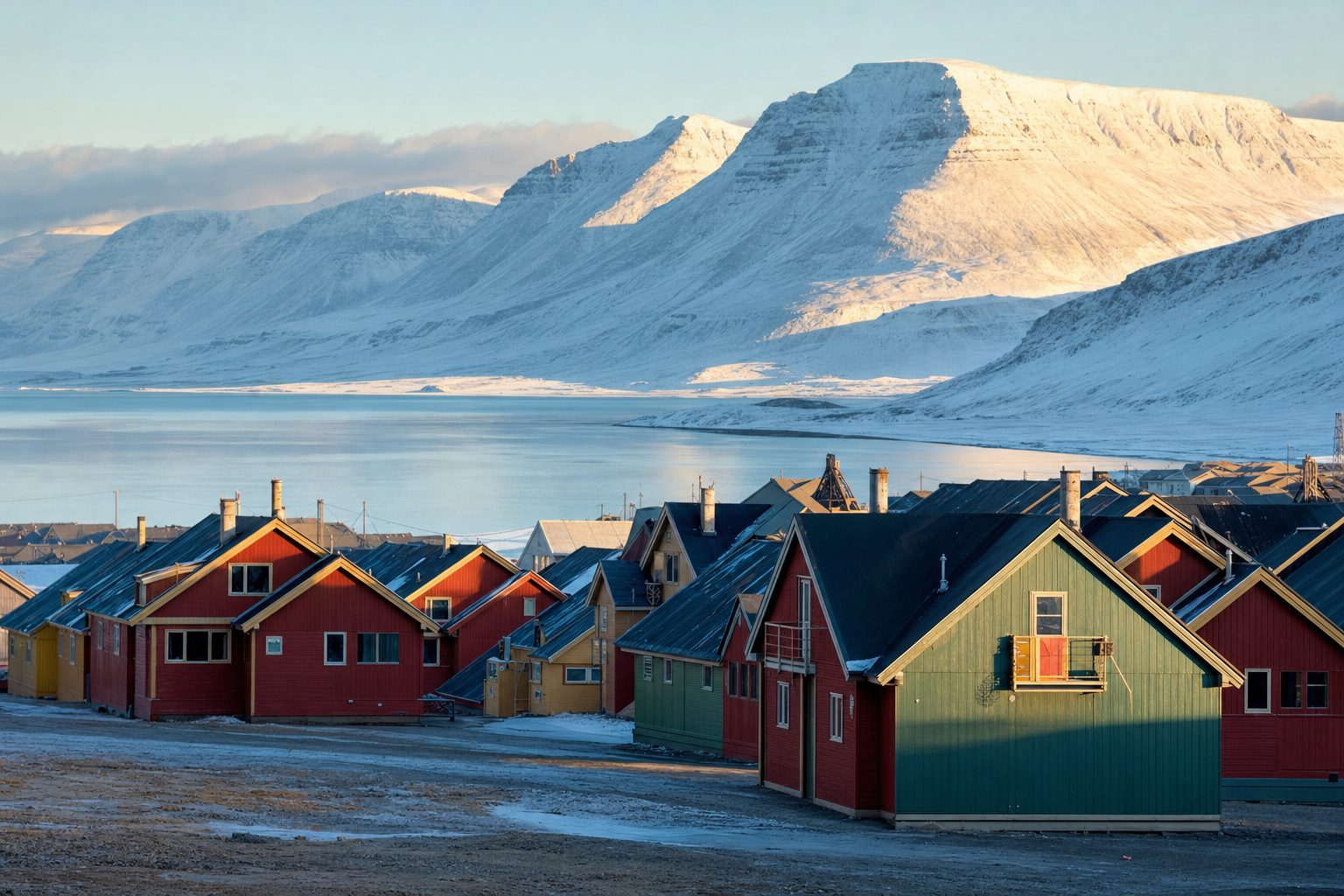
Before booking a Svalbard trip, understand the rules that actually shape it: polar bear protocol, firearm law, strict wildlife distances, and an archipelago reachable only by air.
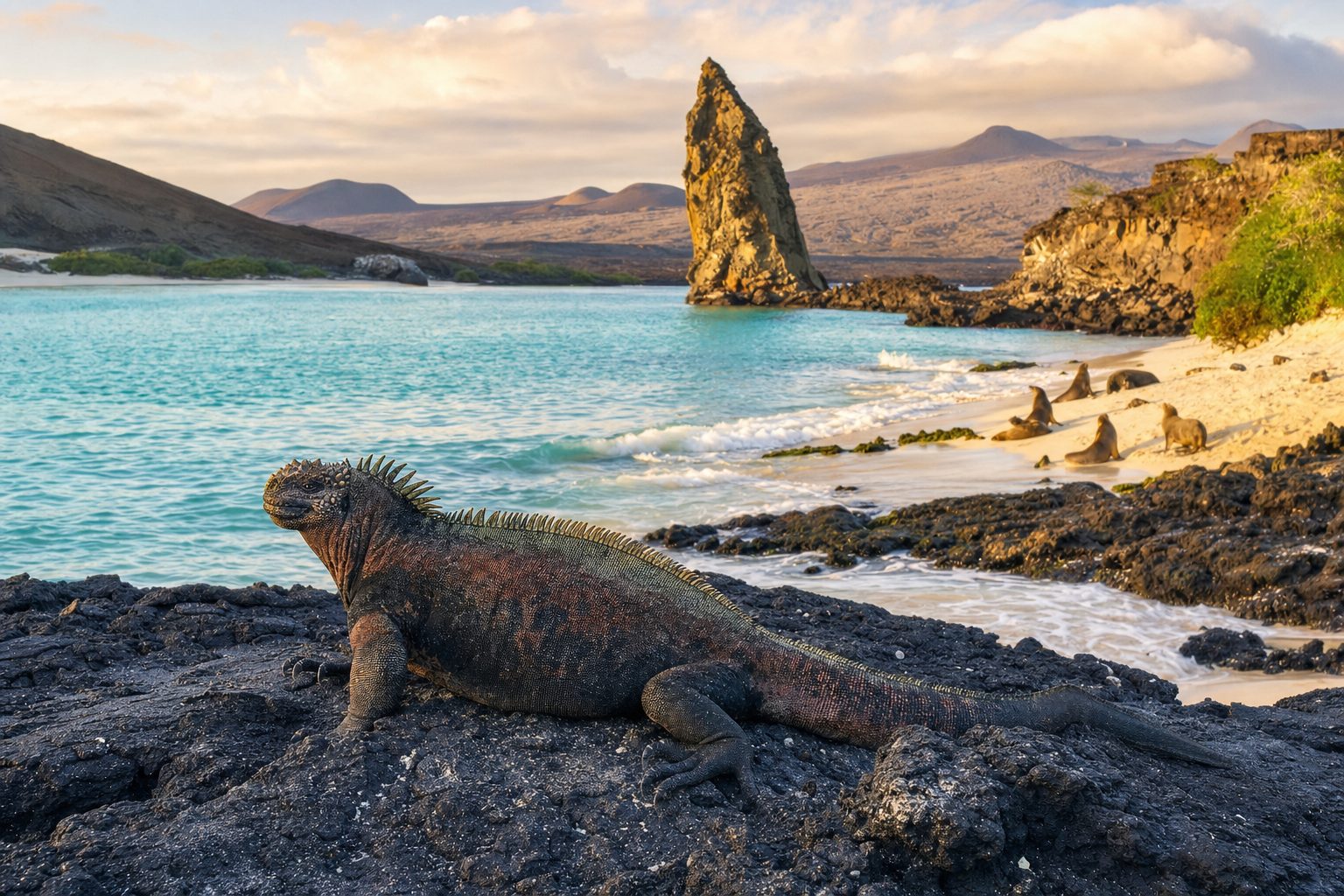
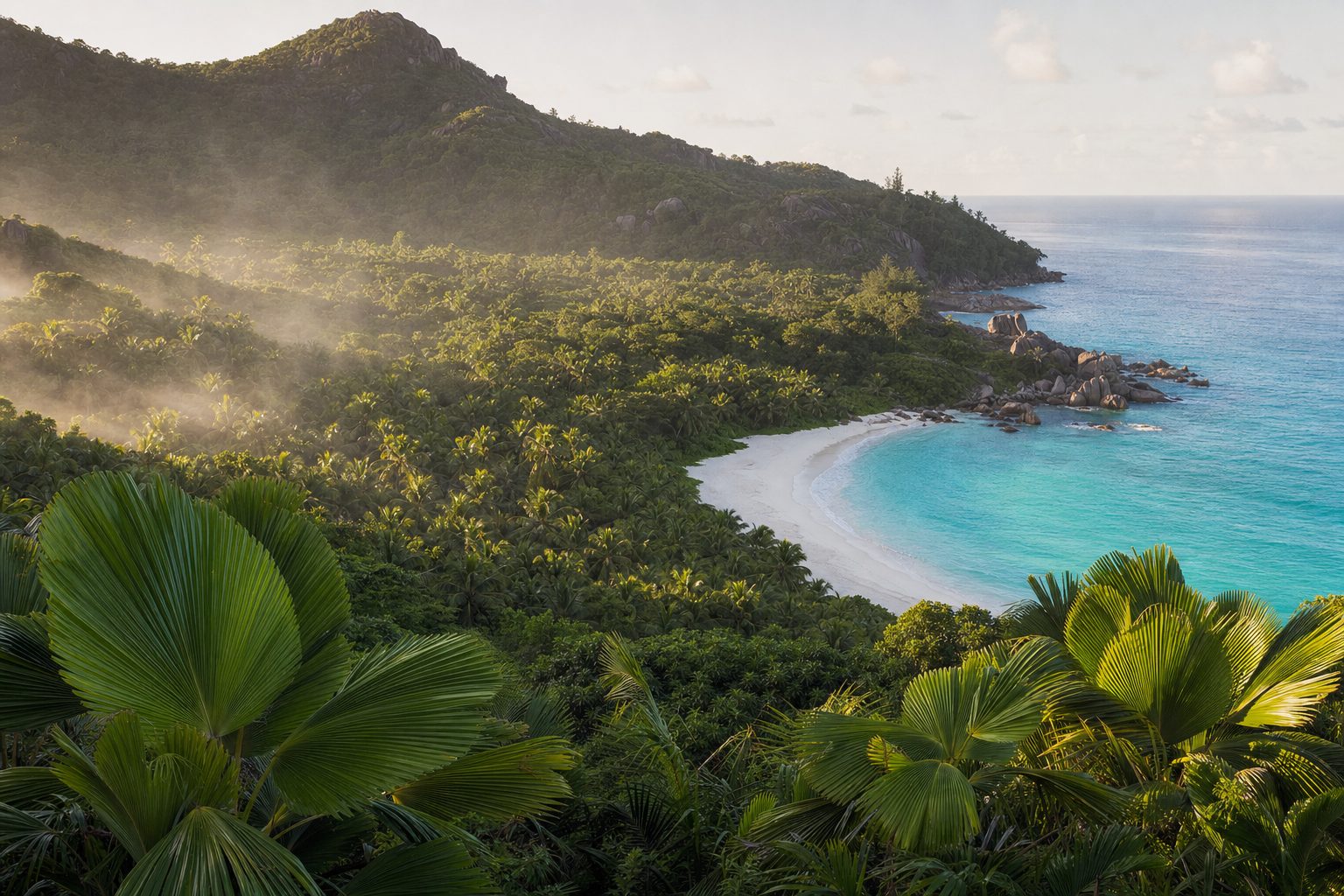
Praslin's granite hills hold the only wild stands of the coco de mer, the plant kingdom's largest seed, and visiting well means understanding a UNESCO reserve's rules and a strict export ban.
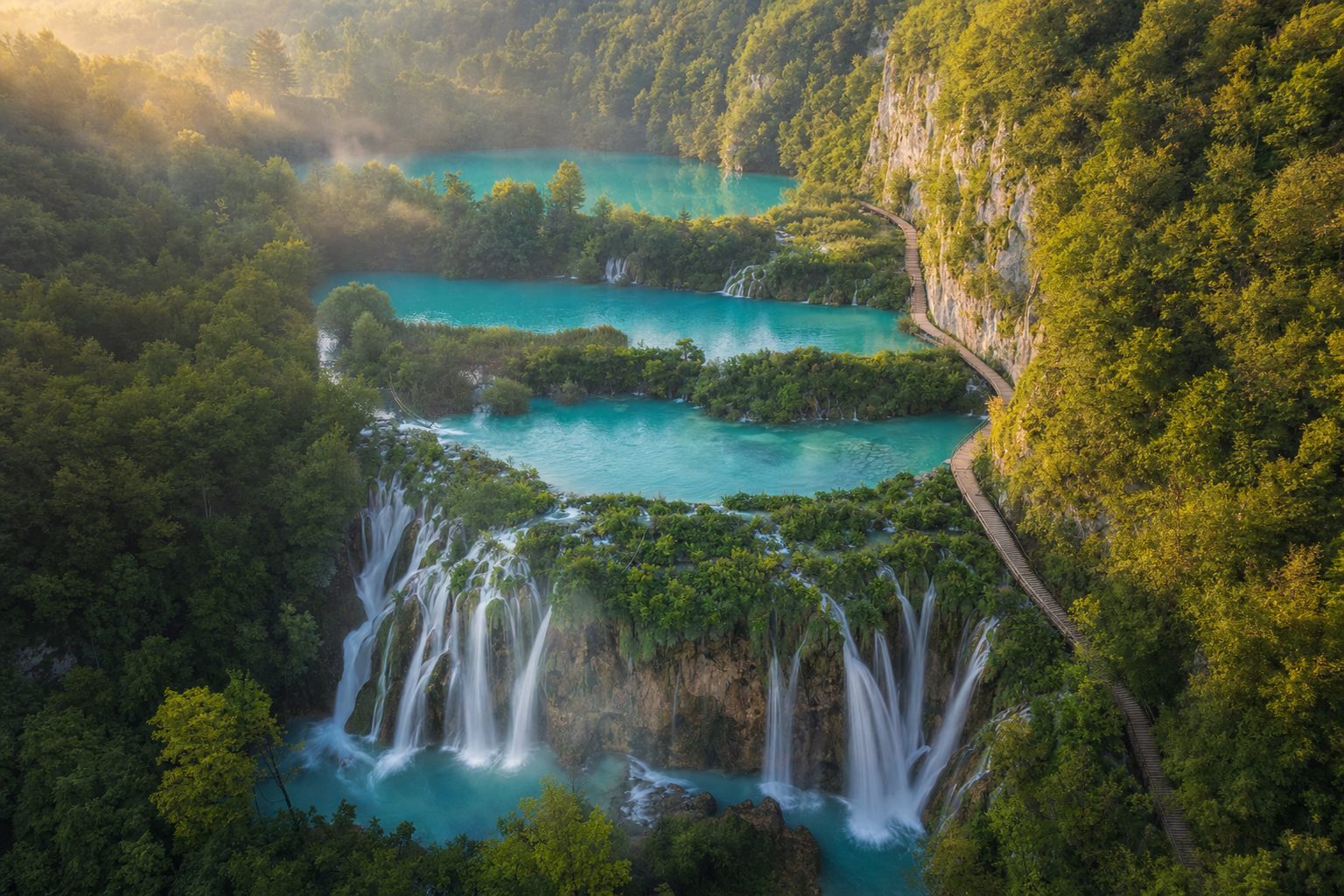
Sixteen turquoise lakes and a strict rulebook define this UNESCO park, so the questions that matter most are which timed ticket to book, which of two entrances to use, and how to behave once inside.
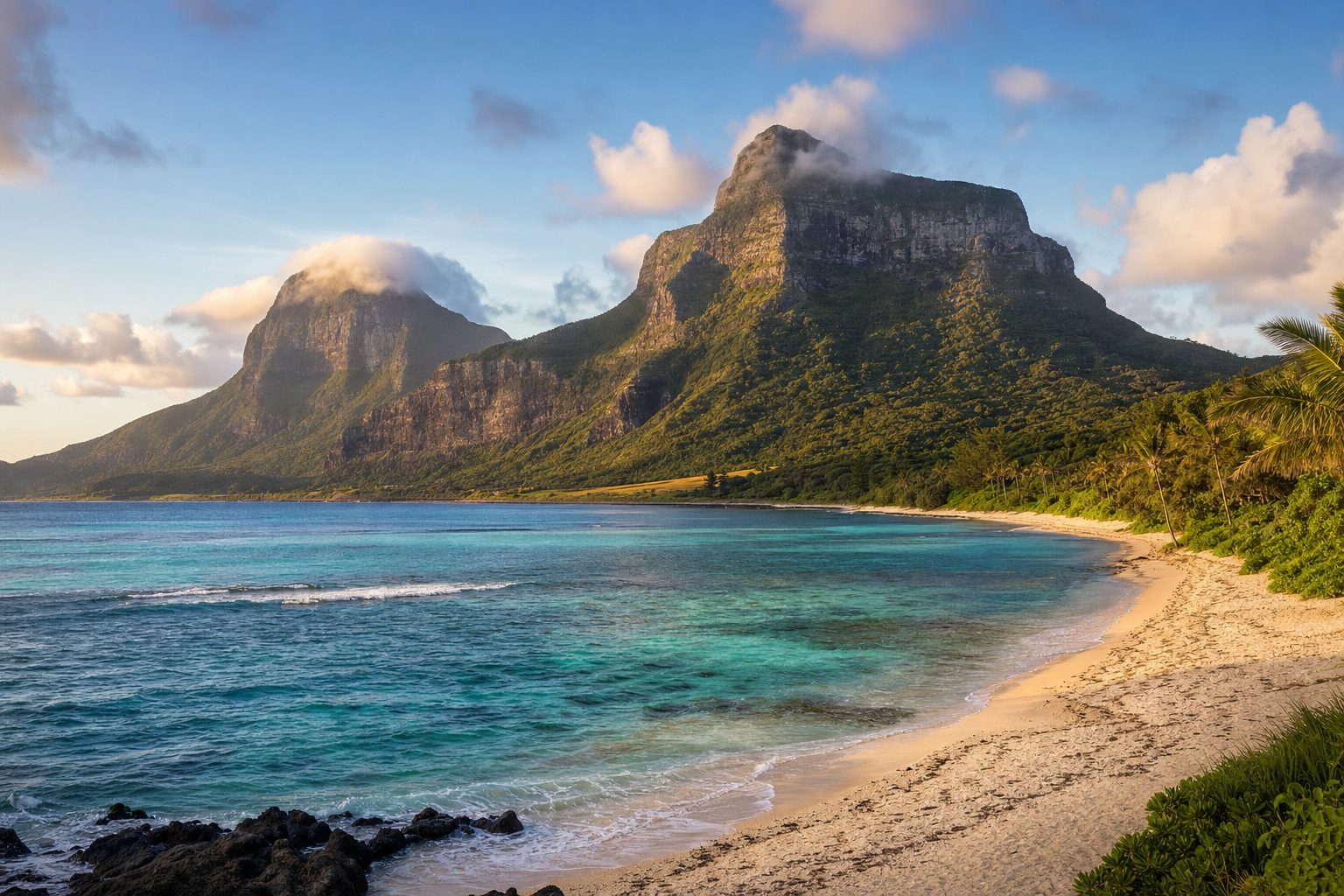
A crescent-shaped island 700 km off Sydney limits tourists to 400 at a time, so the real planning starts with securing a bed on the ground, not with searching for the cheapest flight in.
Ninety kilometres of coast road link two of the Adriatic's grandest harbours, but the short stretch in the middle crosses a full external EU border. Here is how to time it, cross it, and use the extra day well.
The nationwide rail pass is not automatically the cheapest way to cross Japan. How to choose between it and point-to-point tickets, what an IC card quietly covers, and the oversized-baggage rule that catches visitors at the Shinkansen gate.
Traveling by yourself is less about courage than about quiet, deliberate preparation. Here is how to choose the right first destination, keep yourself and your money safe, and still leave room for the strangers who will become the best part of the trip.
New here from Instagram? This is the fastest way into Meridian — our most useful itineraries, budget breakdowns, and off-the-beaten-path guides, all in one place.
Europe isn’t one destination — it’s a dozen. A quick tour of the regions, from the British Isles to the Balkans, with help matching each to the trip you actually want.
Schengen, EES, ETIAS, the UK ETA, passports, money, phones and plugs — the essentials a US traveller needs to sort before boarding, checked against official sources in July 2026.
When to take the high-speed train, when to fly, when a night train saves a hotel night, and when a rental car is worth the hassle — a mode-by-mode guide for a first European trip.
Three flexible routings that trade country-counting for fewer bases, city-centre rail, and one good day trip per stop — built to lift straight into a real first trip.