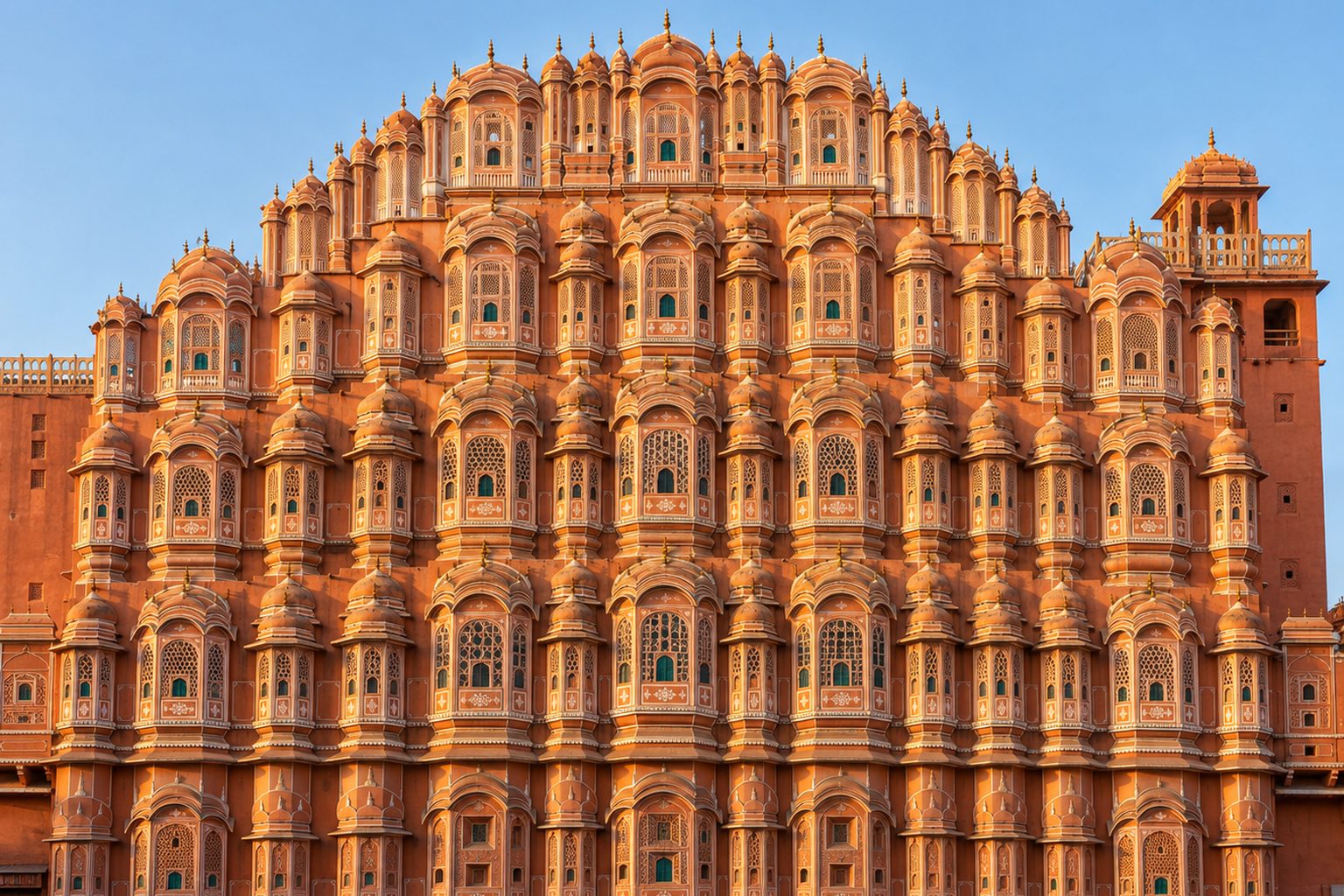
Jaipur was painted pink for a royal visit in 1876 and has stayed that way by rule ever since. How to choose between its forts and observatories, use the composite ticket after the 2026 fee rise, and time a first visit.
Two official fees, a two-hour ferry, homestays without hot water and the richest reefs on earth: how to plan a first trip to Raja Ampat, including what is open and what is not in 2026.
The floating pillars of Yuanjiajie are real, and reliably so at sunrise in spring and autumn. Here is how to choose tickets, lifts, days and a base so the mist, not the tour groups, defines your visit.
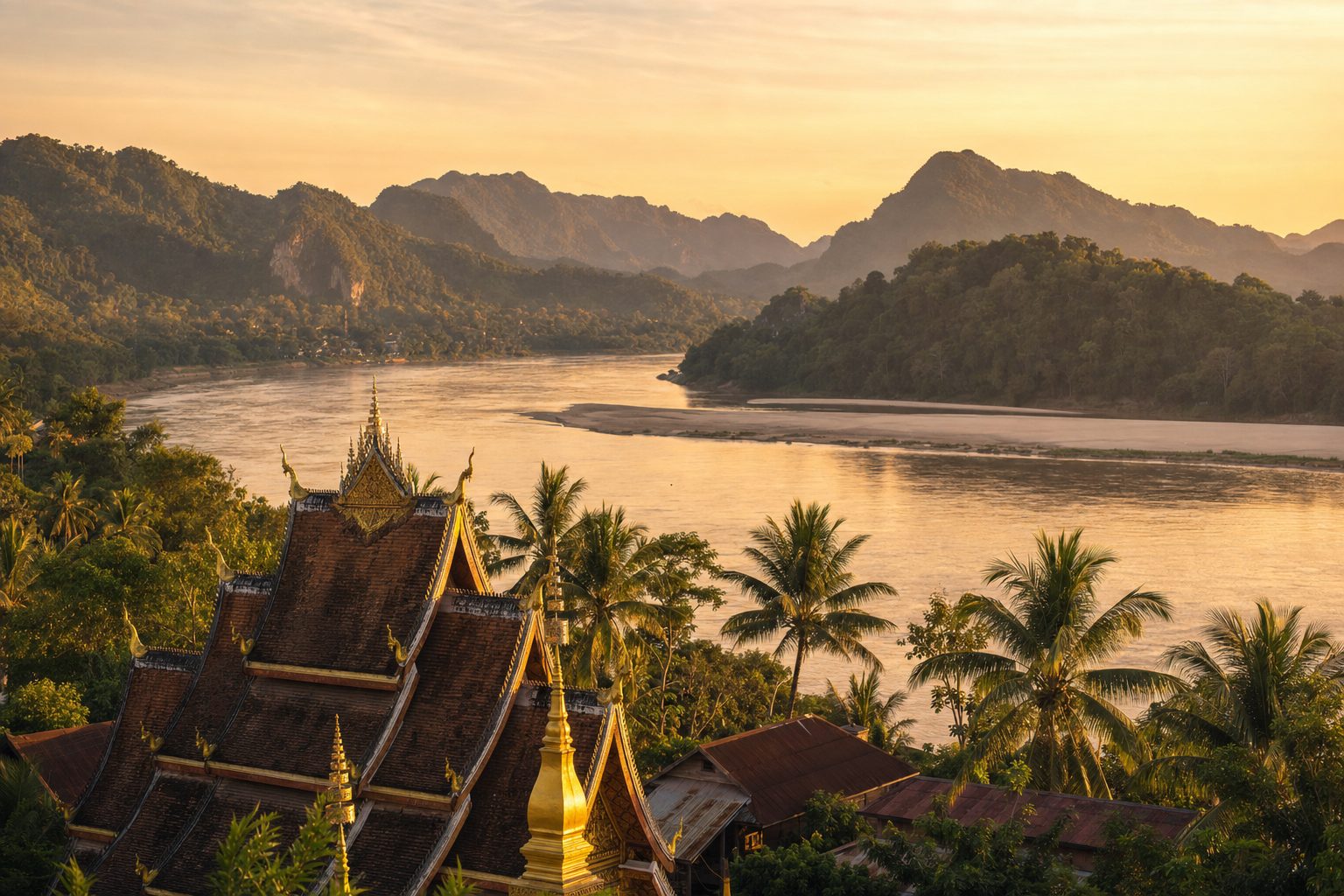
Laos's UNESCO-listed royal town asks visitors to plan around a silent dawn ritual, a turquoise waterfall that changes with the season, and a river that still sets the pace.
Mu Ko Similan closes by law for five months every year. Plan the 2026–27 season around the 15 October opening, daily caps, e-tickets and the day-trip-or-liveaboard choice.
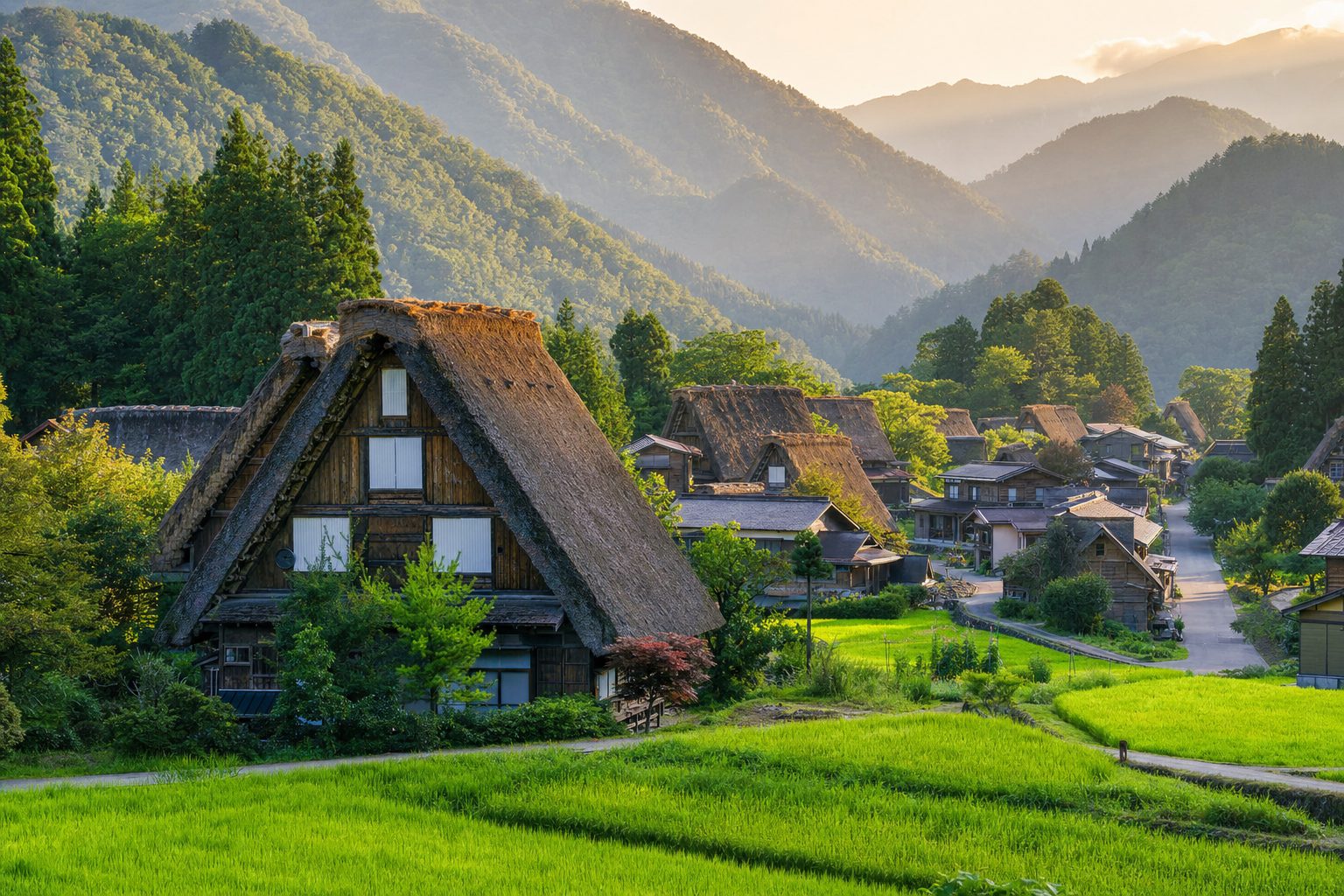
Japan's nail-free gassho-zukuri village rewards planning: how to reach Ogimachi by bus, time the viewpoint, book a farmhouse night and secure the reservation-only winter light-up.
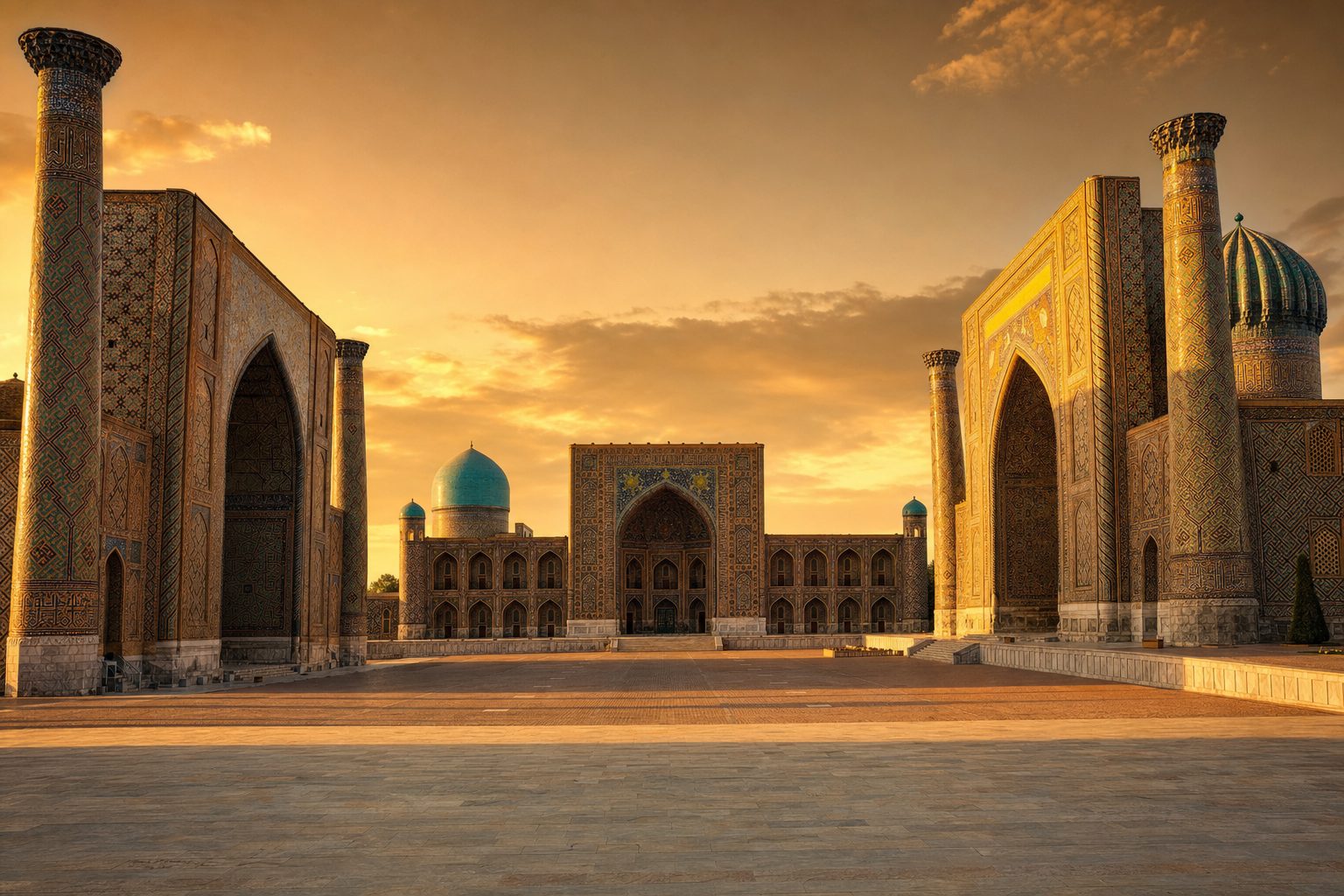
The Registan's three madrasas span 600 years on one square. How to book the Afrosiyob train, time your tickets around the tour groups, and see Shah-i-Zinda and Gur-e-Amir in their best light.
Beijing's most rewarding stretch of the Great Wall sells tickets against your passport, runs two competing lifts and lets you ride a toboggan back down. Here is how the booking, the towers and the descent actually work.
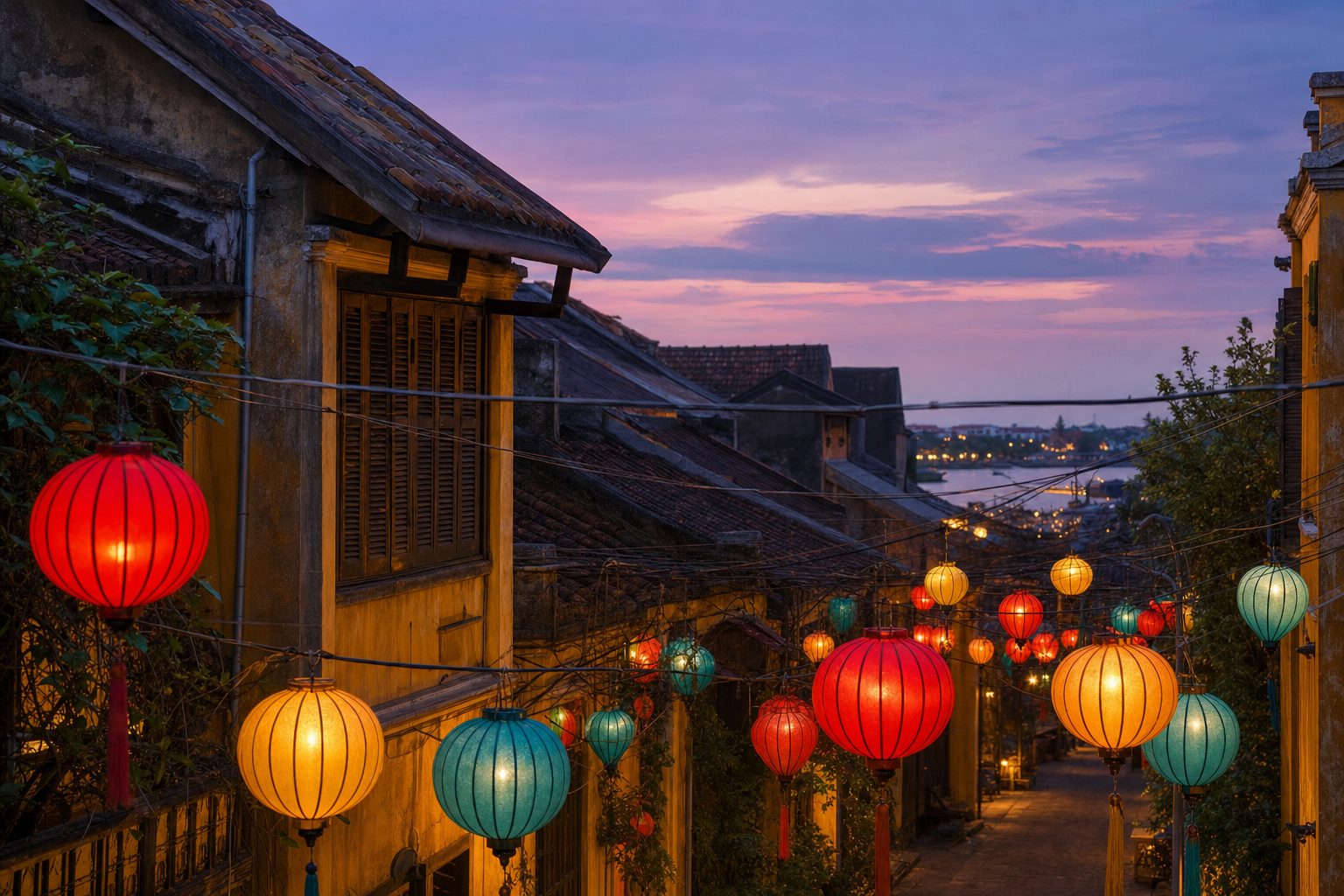
On the fourteenth night of each lunar month, Hoi An switches off its electric lights and runs on silk lanterns alone. Here is how the heritage ticket, the river boats and the 2026 dates fit together.
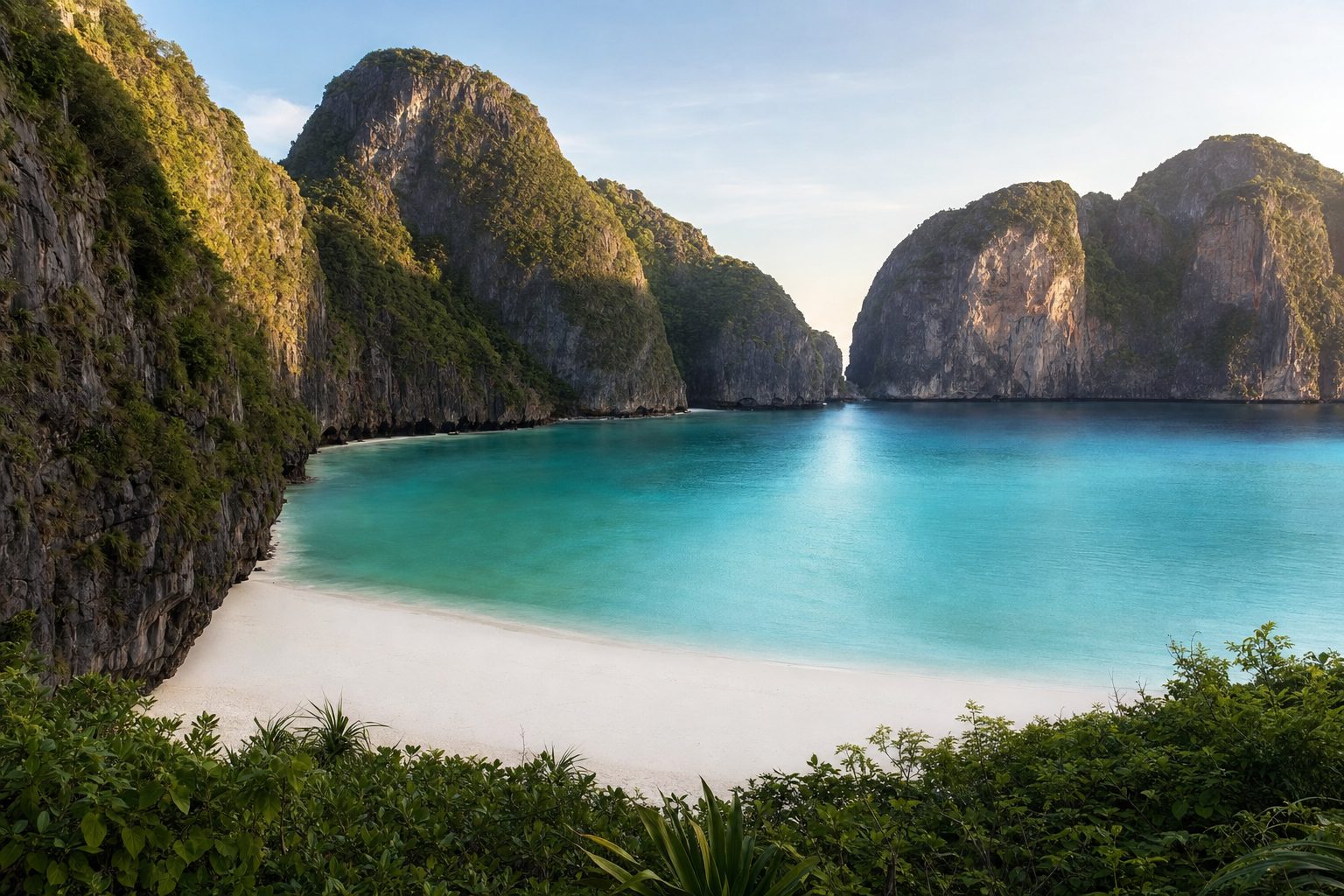
Maya Bay is no longer a swim-and-anchor beach. Plan around its August–September closure, Loh Samah landing, one-hour slots and the conservation rules that now shape every visit.
Boracay’s White Beach still delivers its famous pale sand and clear water, but the first decision is practical: sort the entry QR, accredited stay, fees and beach rules before you fly.
The Taj Mahal rewards a precise plan: choose the right ticket, arrive before sunrise, understand the Friday closure and decide whether the limited night viewing is worth arranging.
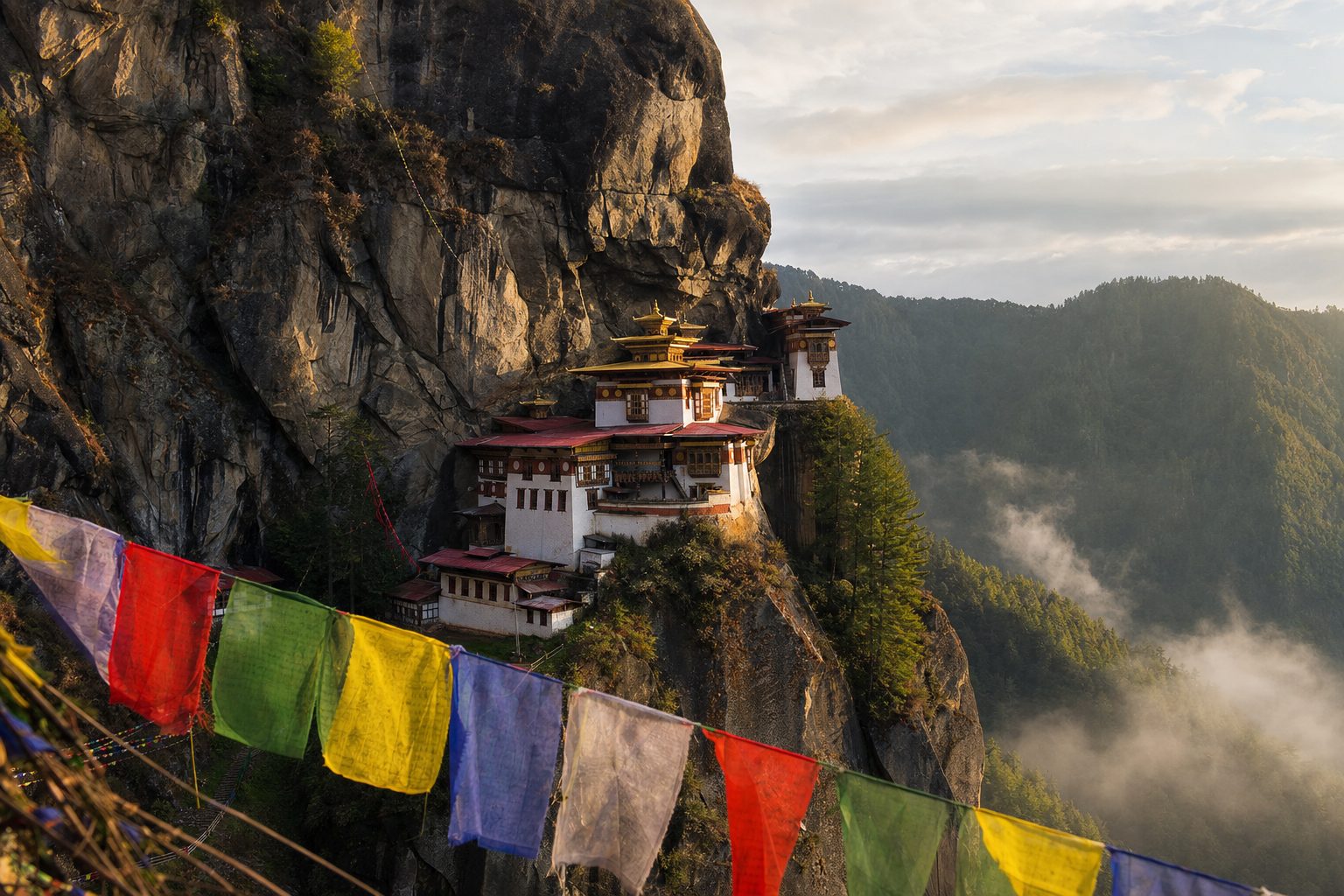
Bhutan’s USD 100 nightly levy, advance visa process and single-airport logistics matter as much as the Tiger’s Nest walk. Plan the fees, guide and mountain day in the right order.
Angkor Wat's sunrise crowd builds before 5:15am, but the pass rules, opening hours and dress code are all predictable if you plan around them rather than improvise at the gate.
The turquoise lagoons of El Nido now come with visitor caps, timed slots, and a kayak-only entry rule, so a good trip here is planned around a permit system rather than improvised on arrival.
The nationwide rail pass is not automatically the cheapest way to cross Japan. How to choose between it and point-to-point tickets, what an IC card quietly covers, and the oversized-baggage rule that catches visitors at the Shinkansen gate.
From a living Dutch fort to surf breaks, whale harbours and empty sands, the drive east from Galle is Sri Lanka's most rewarding coastal run — culture, adventure and slow afternoons in a single unbroken line of ocean.
Pink sandstone, marble lakes, an indigo old town and a golden citadel on the edge of the Thar. Rajasthan is a state you drive — between a thousand years of Rajput fortresses and the fierce, ghee-rich food of the desert.
Two days of silence among limestone islands, then a plunge into Asia's most exhilarating street-food city. Northern Vietnam's great short itinerary, from the water to the plastic stool.
In Japan's thousand-year capital, the raked garden and the lacquer bowl are the same idea told two ways. A guide to Kyoto's shrines, its market, and the table that ties them together.