Everything a US traveller needs to plan a first (or fifth) trip across the Atlantic — entry rules, getting around, must-sees, lesser-known finds, and usable itineraries.
Plan a trip to Europe with confidence
From the paperwork Americans actually ask about to the trains that make a multi-country trip effortless, this is a practical, source-checked starting point — not generic filler. Sort the essentials, pick a region, and lift an itinerary straight into a real trip.
Time-sensitive entry, money, and safety facts, each linked to its official source. Checked July 2026 — rules change, so confirm the specifics before you travel.
Do you need a visa? (Schengen 90/180)
US passport holders can visit the Schengen area visa-free for up to 90 days in any rolling 180-day period, pooled across all Schengen countries. Count with the official EU short-stay calculator.
EES — Entry/Exit System (live)
Biometric entry/exit registration has replaced passport stamps and is fully operational across the Schengen area since 10 April 2026 — expect extra time at the border on first registration. EU EES policy page.
ETIAS — not required yet
ETIAS is not live; no applications are collected. It is expected in the last quarter of 2026, will cost €20 (free for under-18s and over-70s), and lasts 3 years. Until then, no action is needed — use only the official ETIAS site.
United Kingdom — the ETA (separate)
The UK is not in Schengen. Americans usually need a UK Electronic Travel Authorisation (ETA): £20, valid 2 years, up to 6 months per visit. GOV.UK — get an ETA.
Passport validity
Your passport must be valid for at least 3 months after departure and issued within the previous 10 years — the 10-year clause trips up older US passports. EU travel-document rules.
Health insurance
Medicare generally does not cover care outside the US, so buy travel insurance with emergency medical + evacuation cover before you fly. Medicare — travel outside the U.S.
Money & cards
21 of 27 EU countries use the euro (Bulgaria joined 1 Jan 2026); the UK, Switzerland, and the Nordics keep their own currencies. Tap-to-pay is standard — always pay in local currency. EU — countries using the euro.
Plugs & power
Continental Europe uses Type C/E/F plugs at 230V; the UK, Ireland, Malta and Cyprus use Type G. Most US chargers are dual-voltage and only need an adapter. IEC — World Plugs.
Emergency number
112 is the single European emergency number — free from any phone, reaching ambulance, fire, or police. EU — 112.
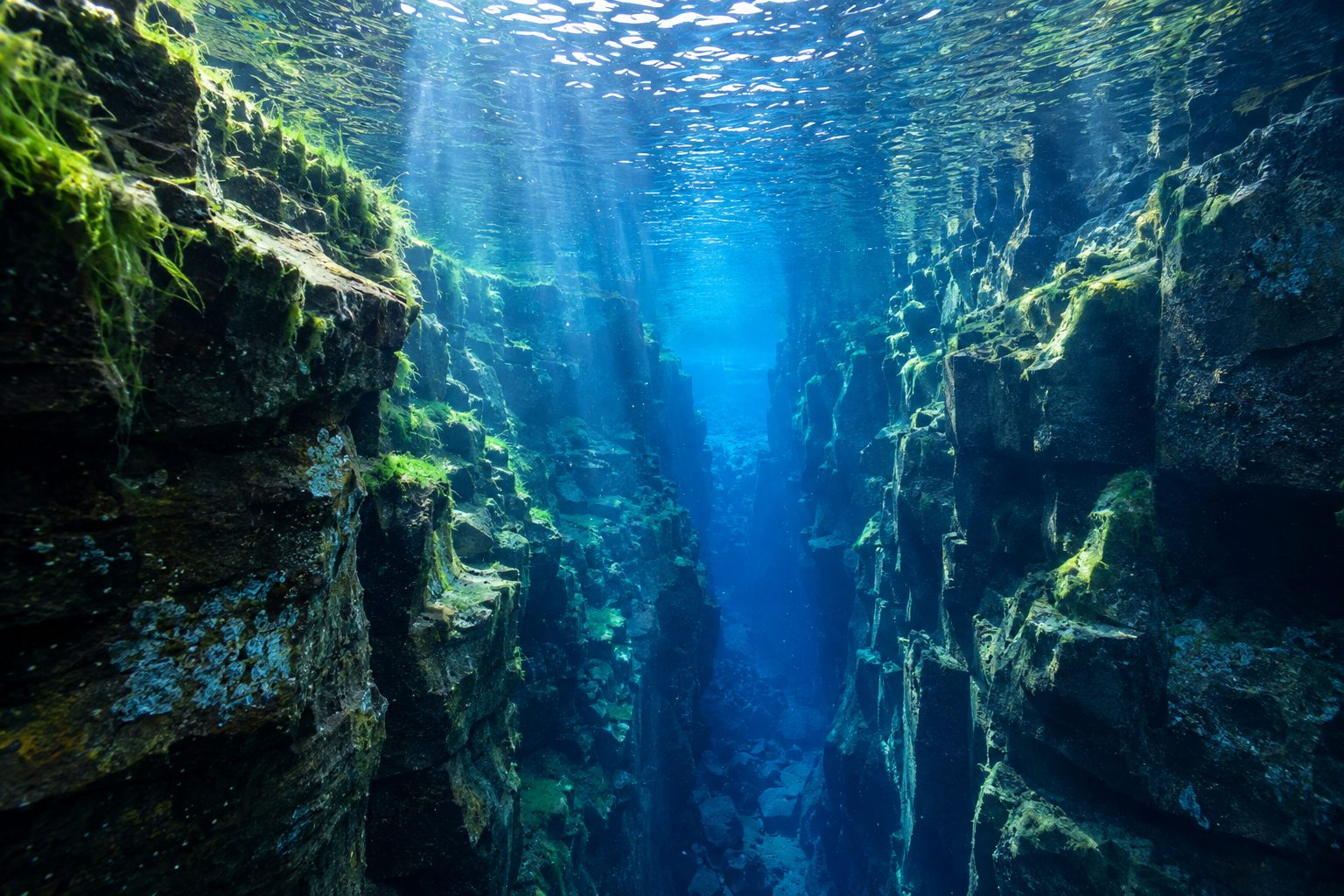
Þingvellir's flooded rift offers 100-metre visibility in 2–4°C glacial water, but only with a licensed guide, a drysuit and the right paperwork. Here is how to choose your slot, season and operator, and what it costs.
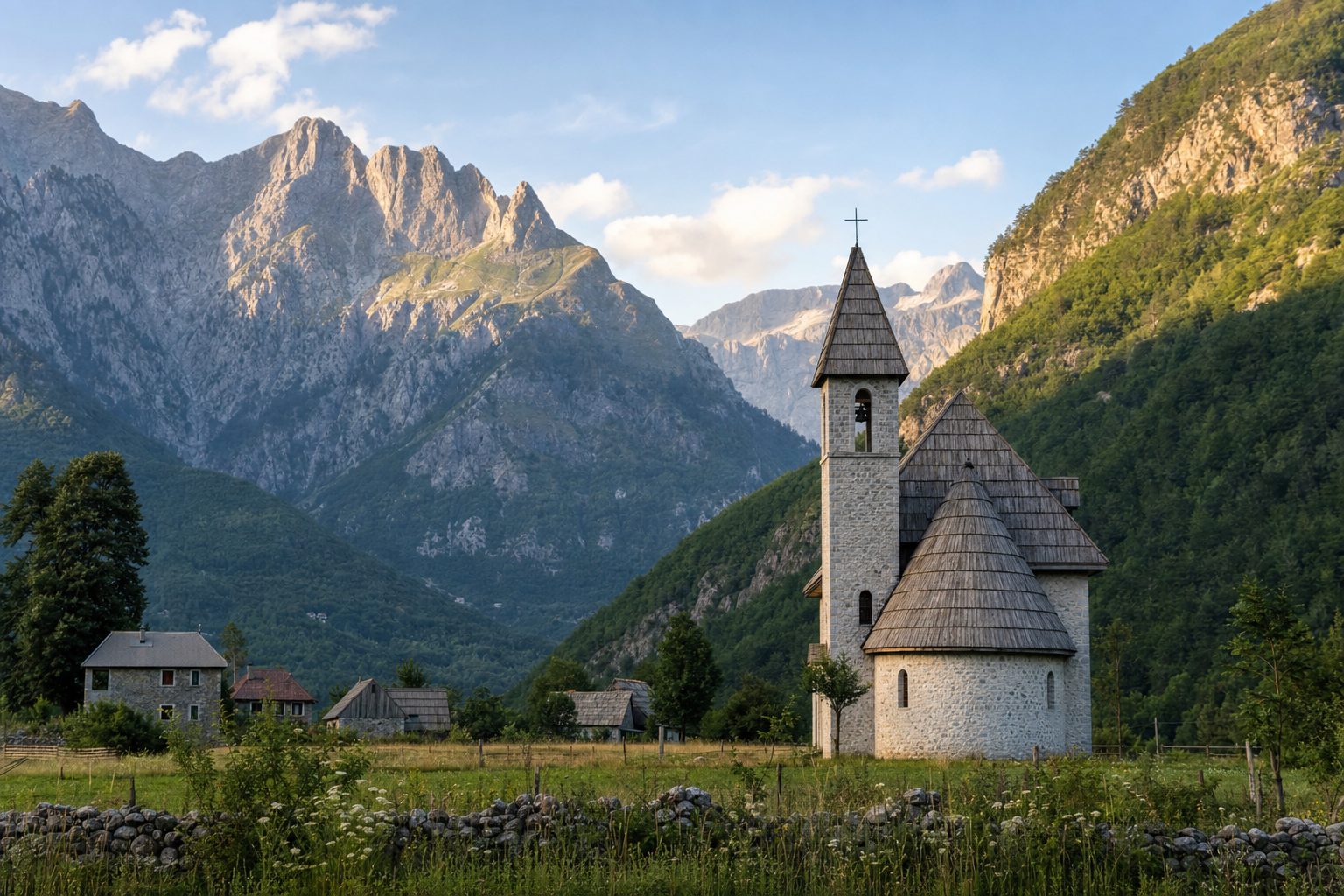
Until 2021 you needed a 4x4 to reach this valley in the Accursed Mountains. Here is how to time the short season, choose between furgon, ferry loop and self-drive, and decide whether to cross the Valbona Pass.
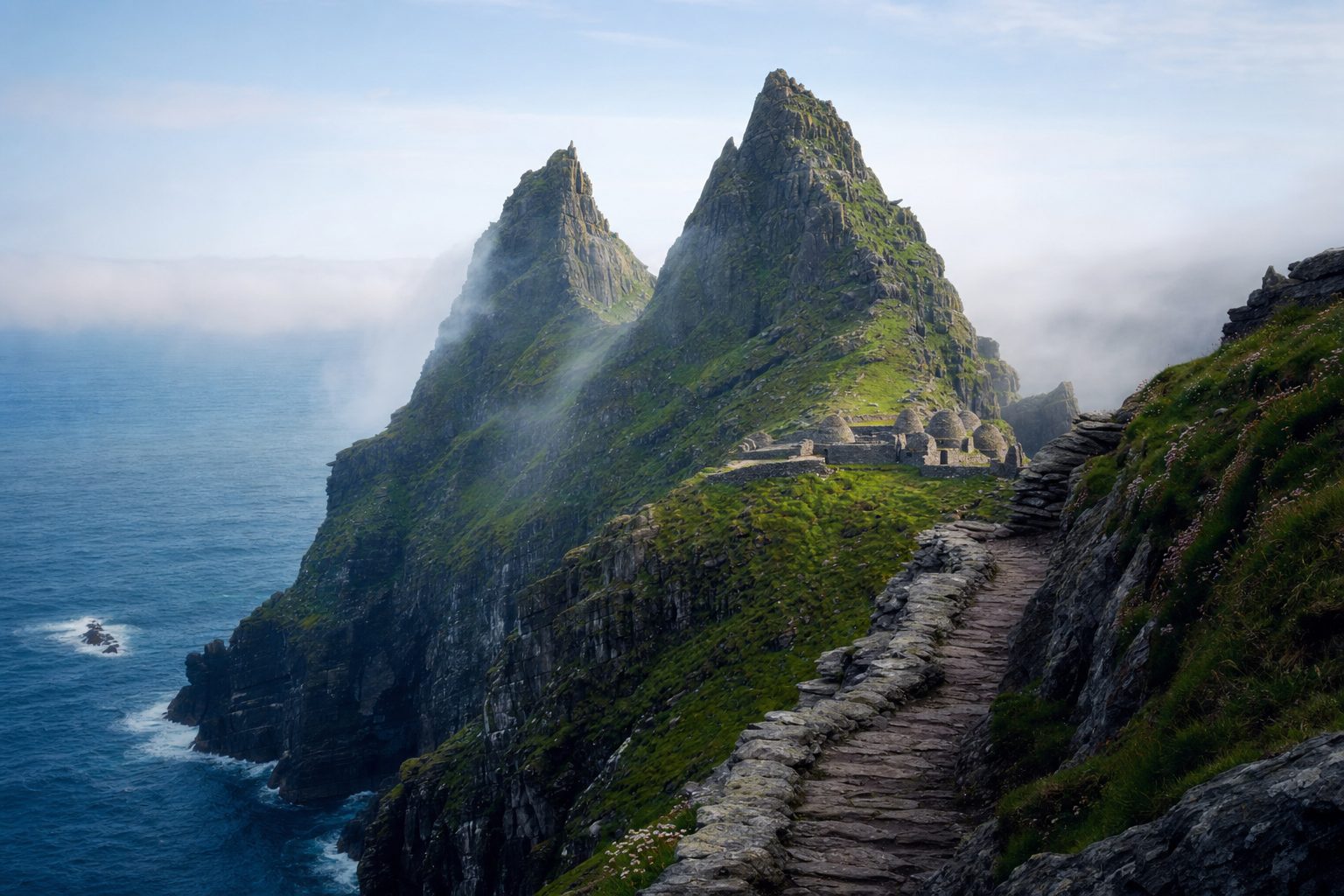
Ireland's sixth-century monastic island caps visitors at 180 a day across a season that runs barely five months. How to choose between landing and cruising, book before it sells out, and manage the 618 steps.
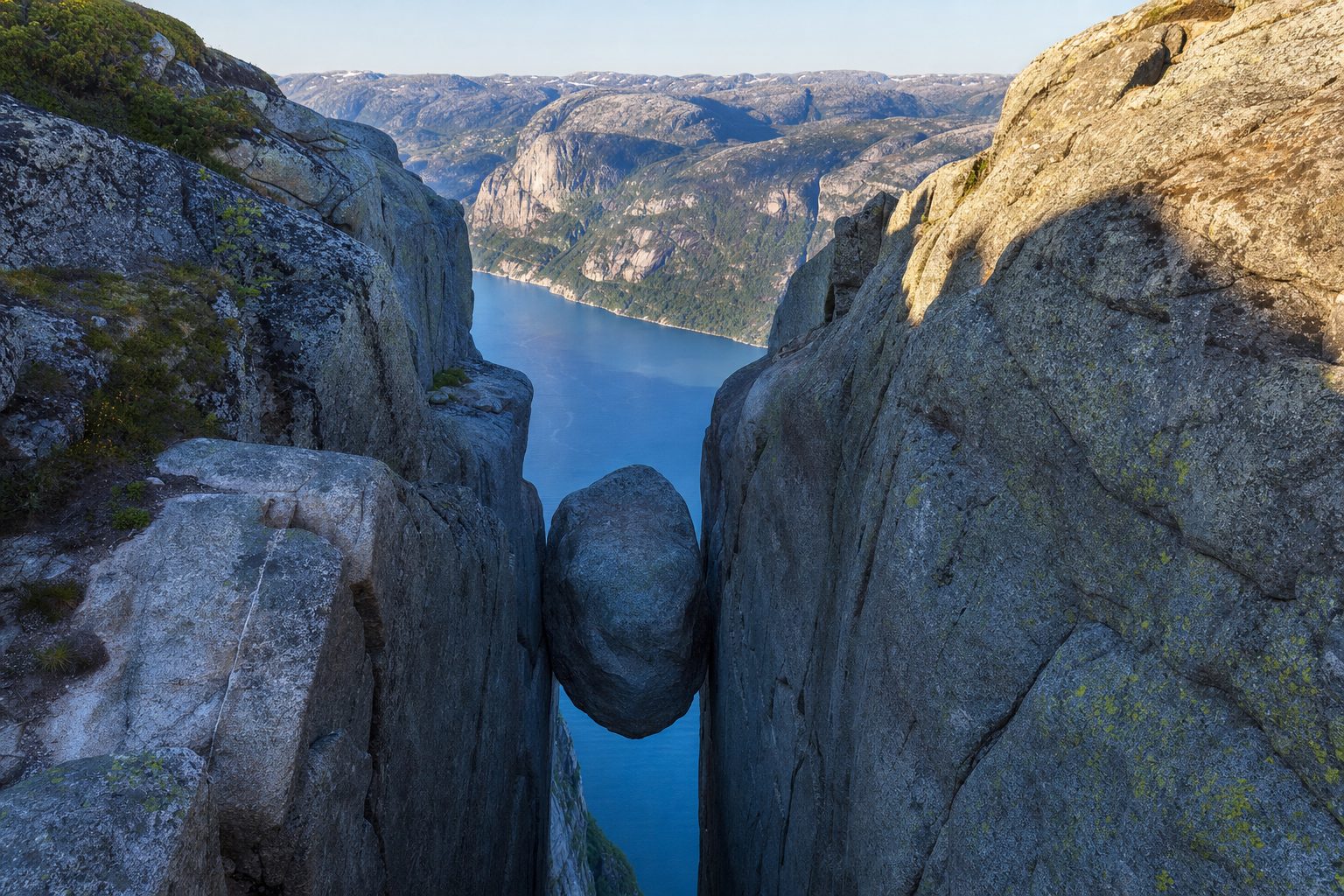
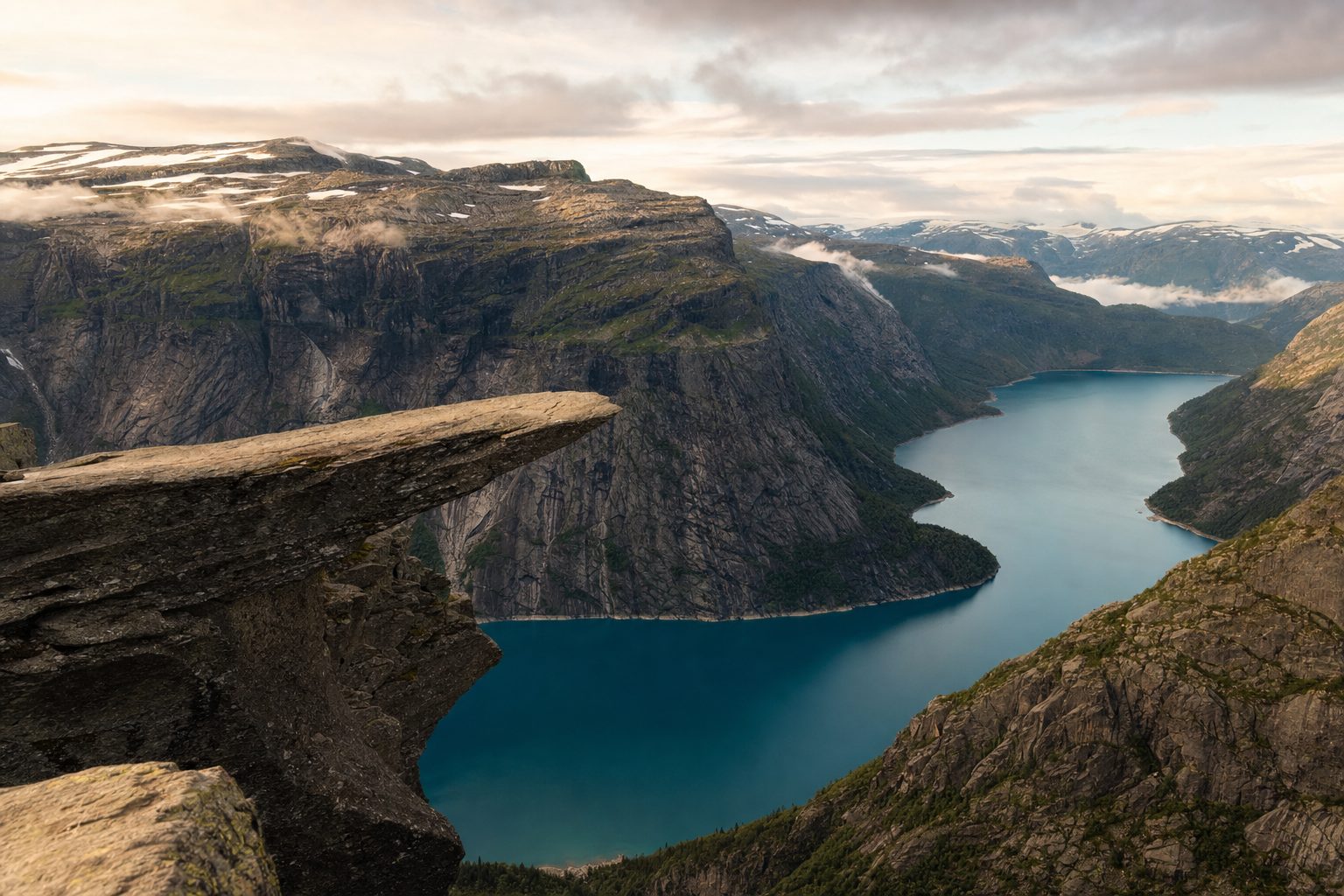
Norway's most vertiginous photo stop sits at the end of a hard 11-kilometre hike above the Lysefjord — and the chains that make it possible come down each autumn. Here is how to time it, reach it and decide about the step.
Norway's most photographed ledge demands a 27-kilometre day and an early start. How the 11:00 cut-off works, which of the three trailheads to choose, and how to plan the shuttles, parking and weather windows.
Norway's most photographed cliff is a free, permit-less hike to a bare granite shelf 604 metres above Lysefjord. Here is how to reach the trailhead from Stavanger, when to start, and how to treat an edge with no fence.
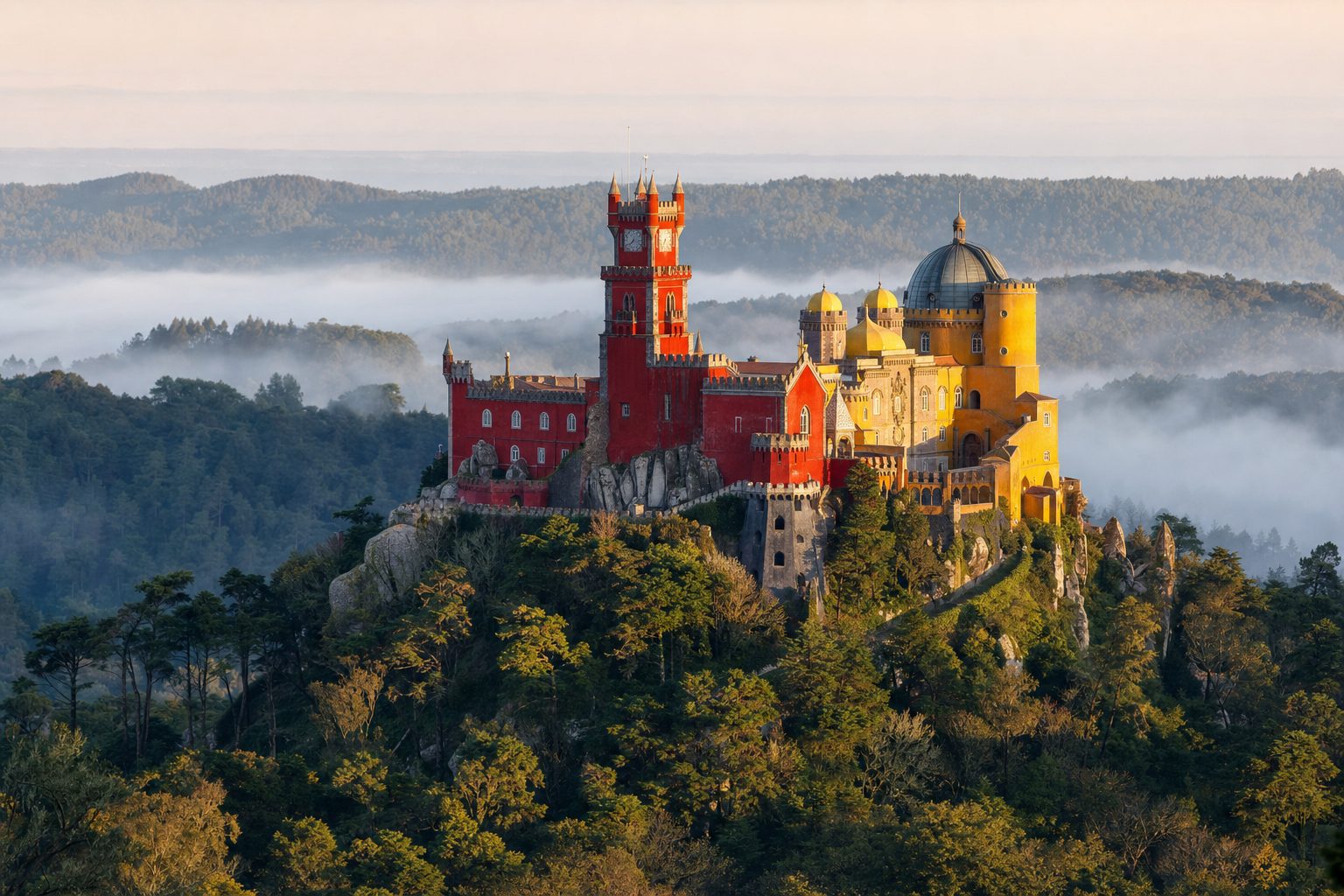
Pena's ticket time is the palace slot, not the park gate — and that detail decides your whole day. How to plan tickets, trains and the 434 bus so one day in Sintra actually works.
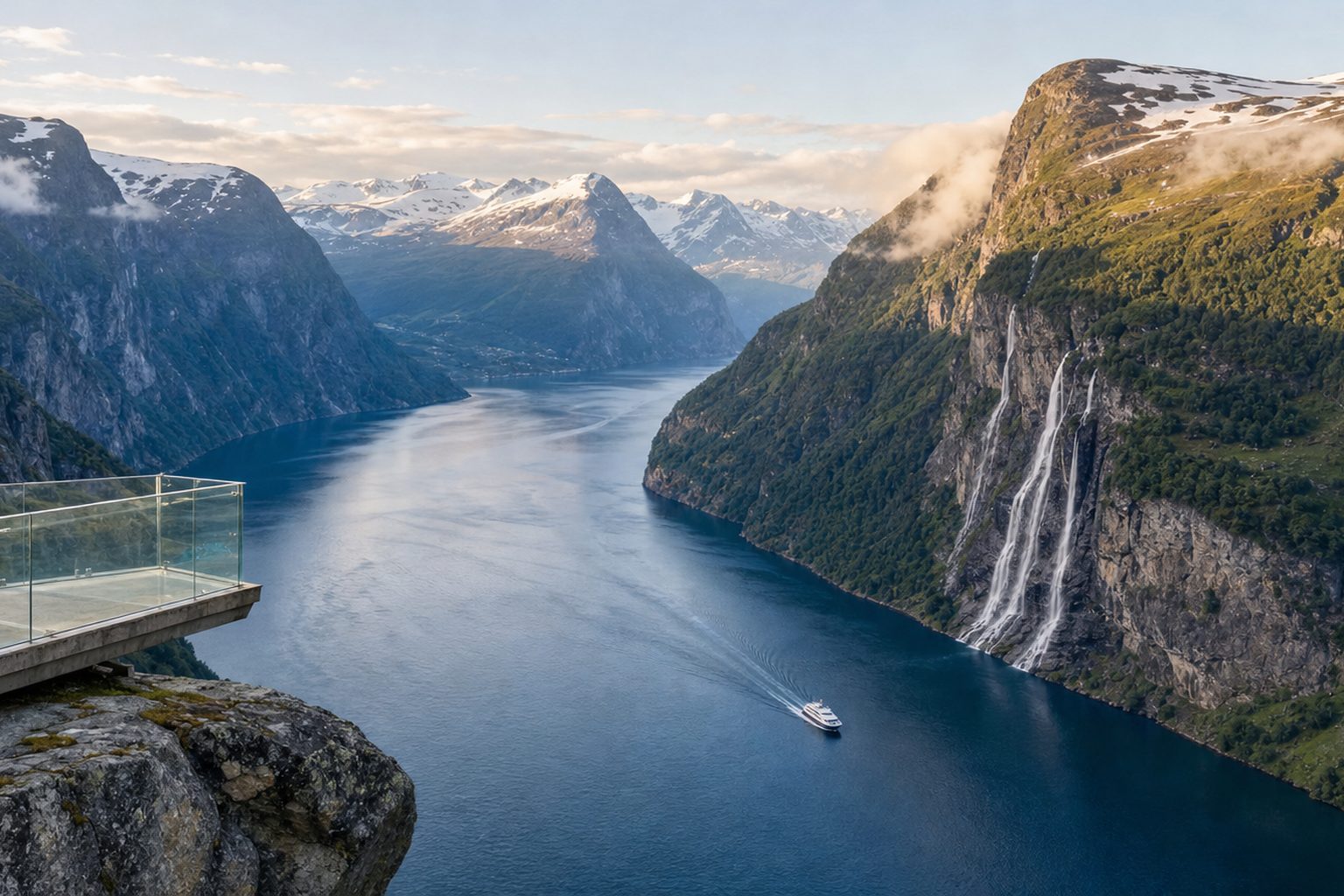
From January 2026, smaller ships in Geirangerfjord must run emission-free. Here is how to plan the ferry crossing, the Skywalk at Dalsnibba and the Eagle Road around Norway's cleanest fjord season yet.
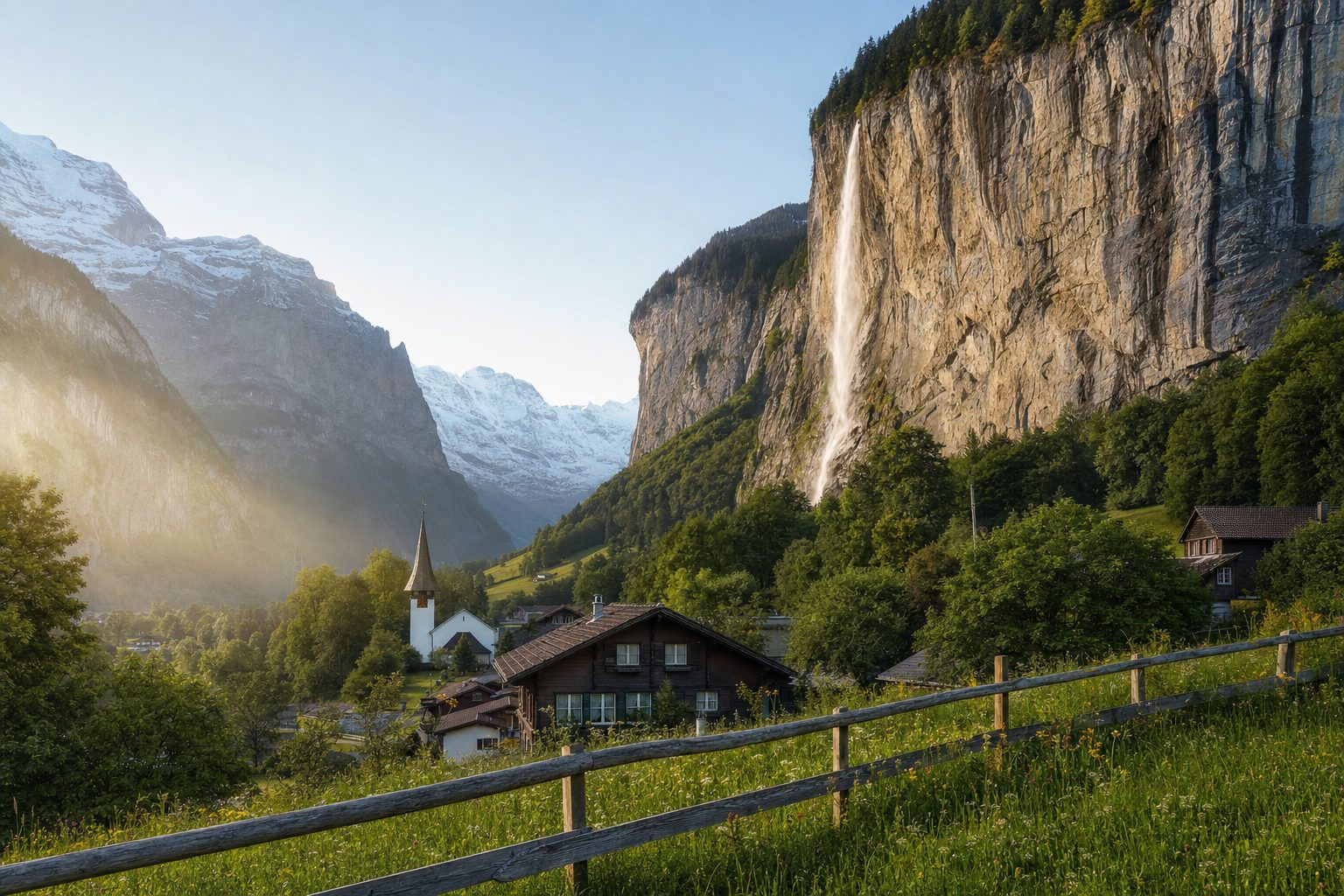
Switzerland's most photographed valley counts 72 waterfalls and two villages you cannot drive to. Here is how to plan the trains, the falls, the fees and an overnight stay that beats the crowds.
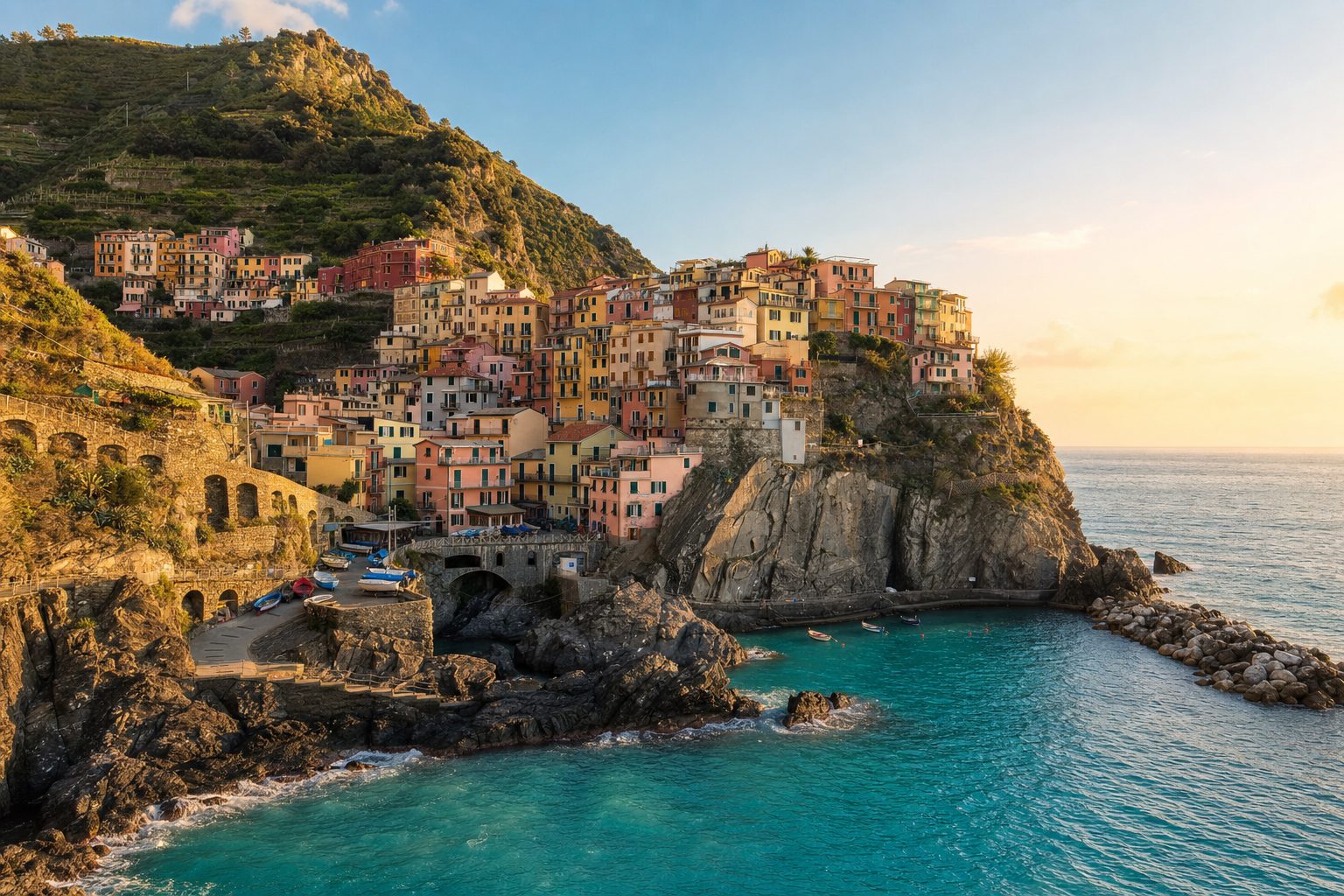
Plan Cinque Terre around the right rail-and-trail card, a timed Via dell’Amore slot and the route closures that shape a first visit to its five villages.
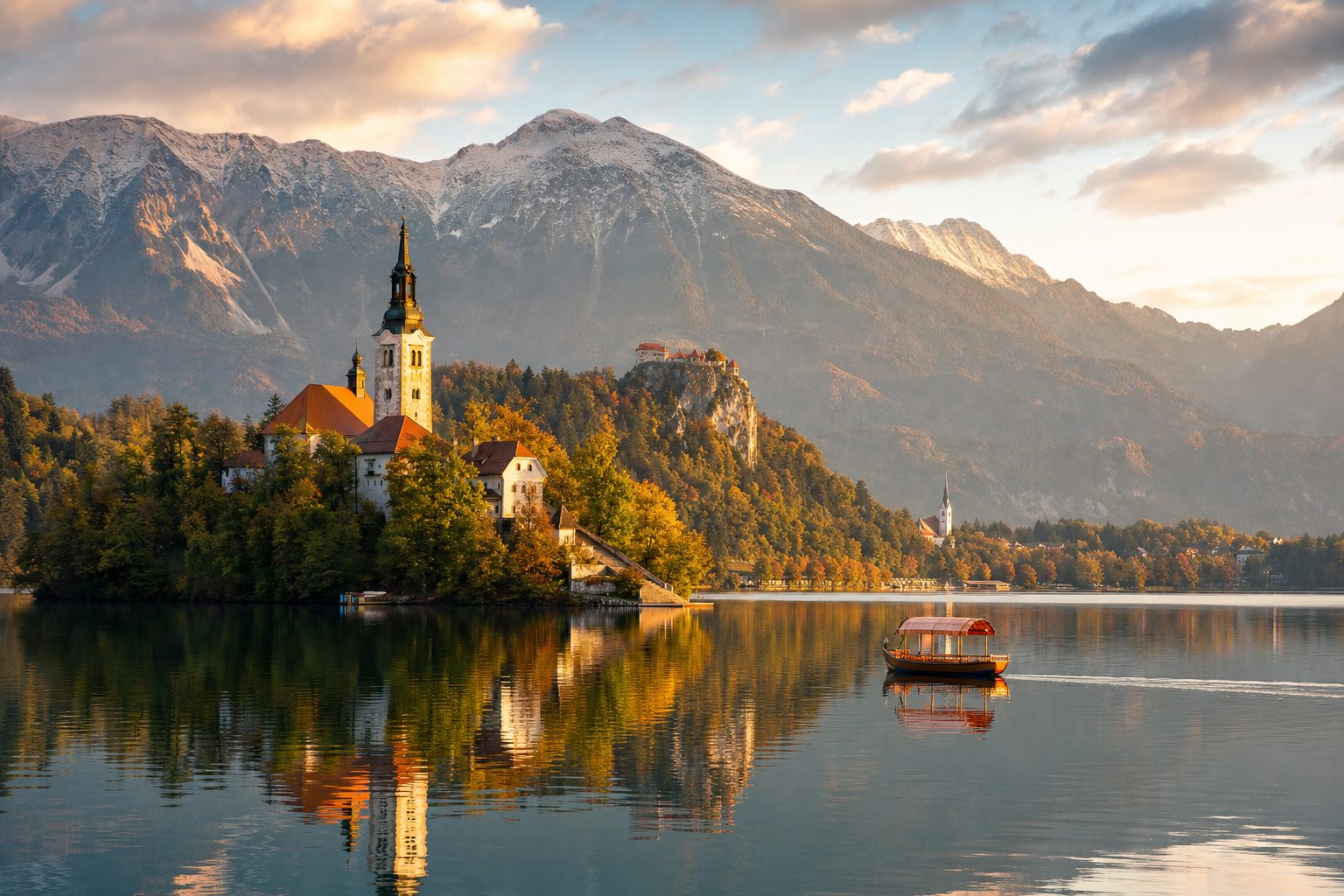
Plan Lake Bled around the traditional pletna, timed Vintgar Gorge entry and quieter viewpoints, with the prices, transport choices and timing that matter in 2026.
Visby is best approached as a walkable medieval town with a ferry timetable, a summer traffic rule and a festival calendar—not as a place to rush through by car.
Þingvellir's flooded rift offers 100-metre visibility in 2–4°C glacial water, but only with a licensed guide, a drysuit and the right paperwork. Here is how to choose your slot, season and operator, and what it costs.
Ireland's sixth-century monastic island caps visitors at 180 a day across a season that runs barely five months. How to choose between landing and cruising, book before it sells out, and manage the 618 steps.
Norway's most vertiginous photo stop sits at the end of a hard 11-kilometre hike above the Lysefjord — and the chains that make it possible come down each autumn. Here is how to time it, reach it and decide about the step.
Norway's most photographed ledge demands a 27-kilometre day and an early start. How the 11:00 cut-off works, which of the three trailheads to choose, and how to plan the shuttles, parking and weather windows.
Norway's most photographed cliff is a free, permit-less hike to a bare granite shelf 604 metres above Lysefjord. Here is how to reach the trailhead from Stavanger, when to start, and how to treat an edge with no fence.
Pena's ticket time is the palace slot, not the park gate — and that detail decides your whole day. How to plan tickets, trains and the 434 bus so one day in Sintra actually works.
Until 2021 you needed a 4x4 to reach this valley in the Accursed Mountains. Here is how to time the short season, choose between furgon, ferry loop and self-drive, and decide whether to cross the Valbona Pass.
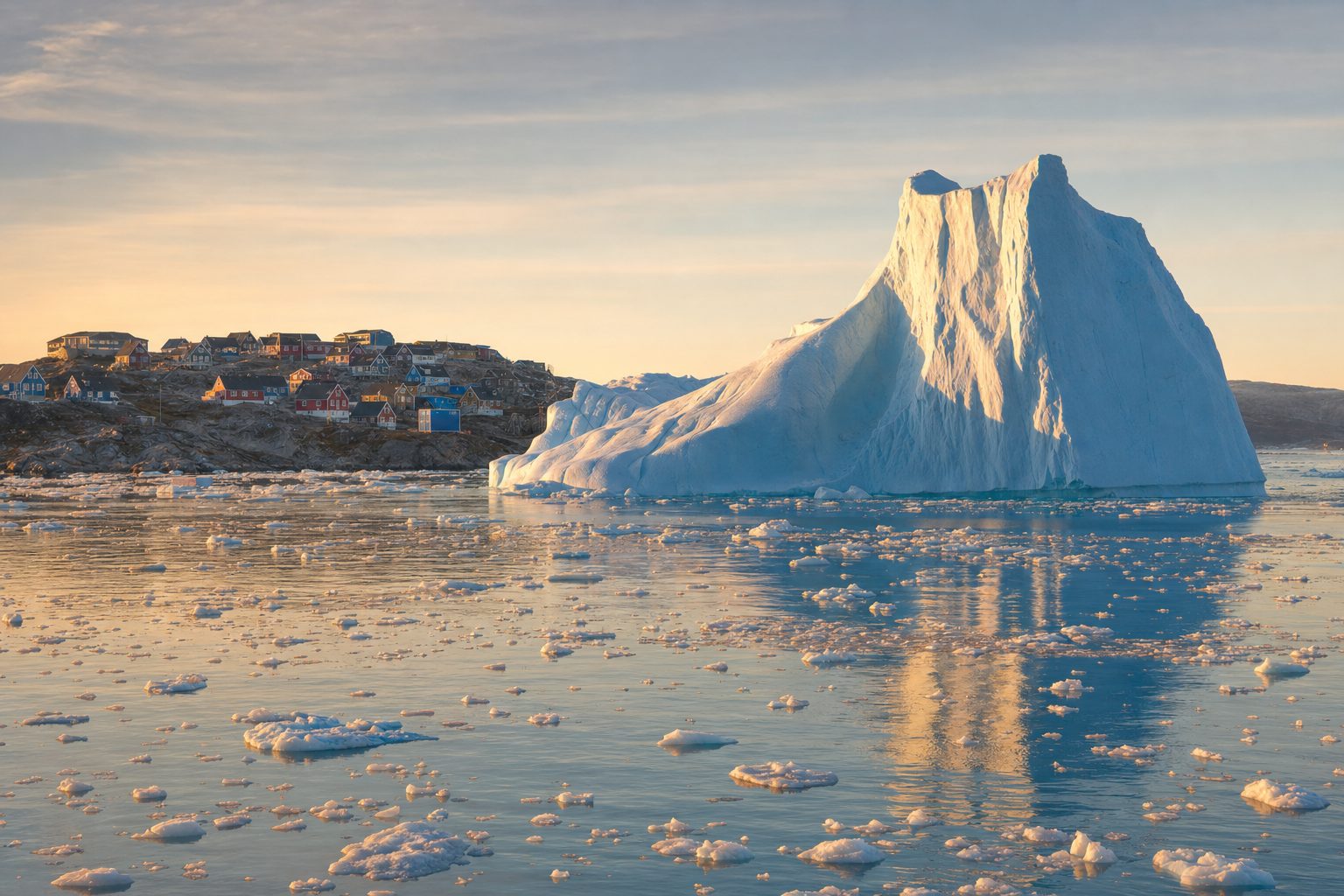
A practical guide to reaching Ilulissat, paying the Icefjord site fee, choosing a hiking trail, and booking around Greenland's fly-or-sail reality and unpredictable Arctic weather.
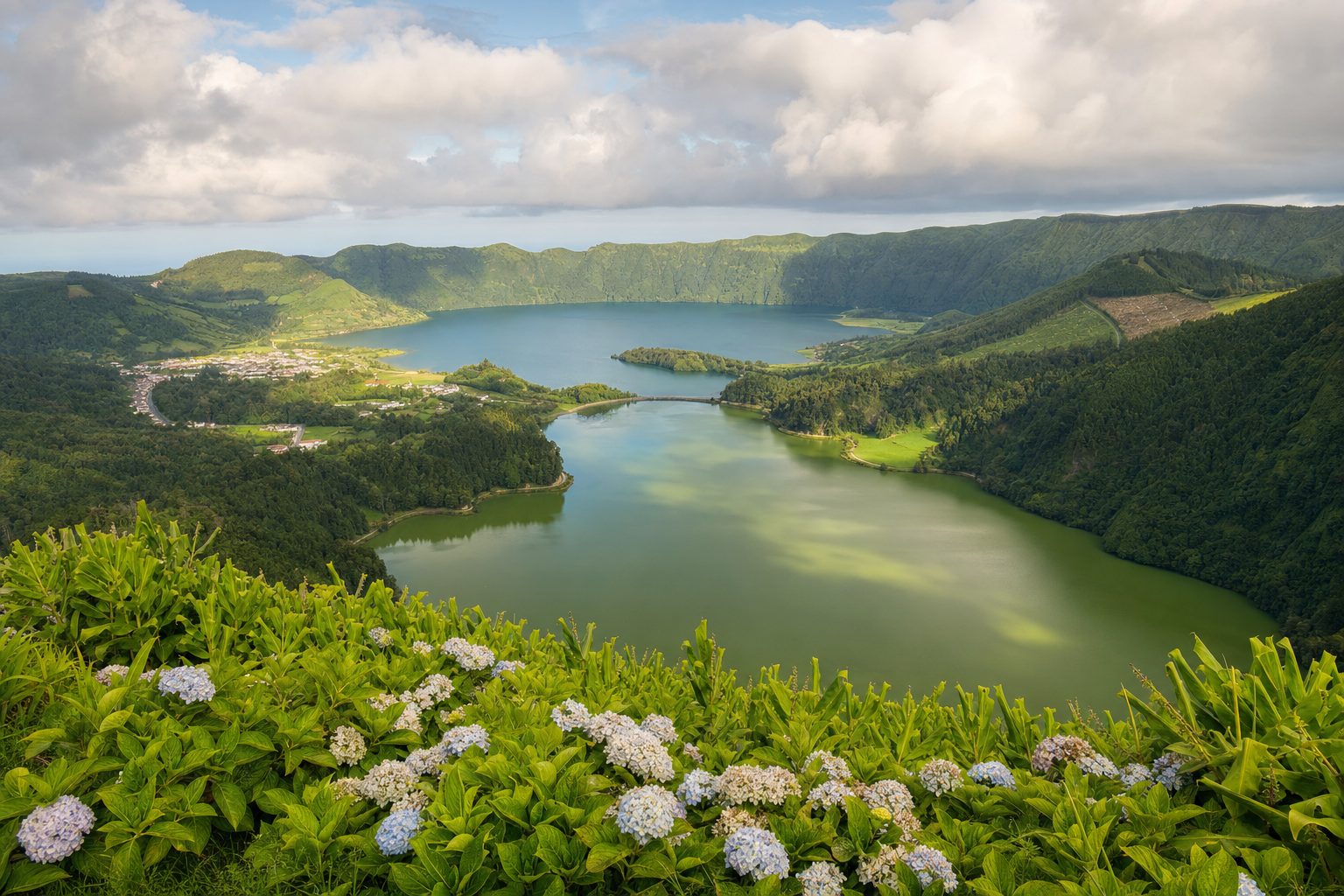
Two crater lakes, an online-only hot spring, and a lake reserve now run by shuttle bus mean the best São Miguel trip is booked and timed, not improvised.
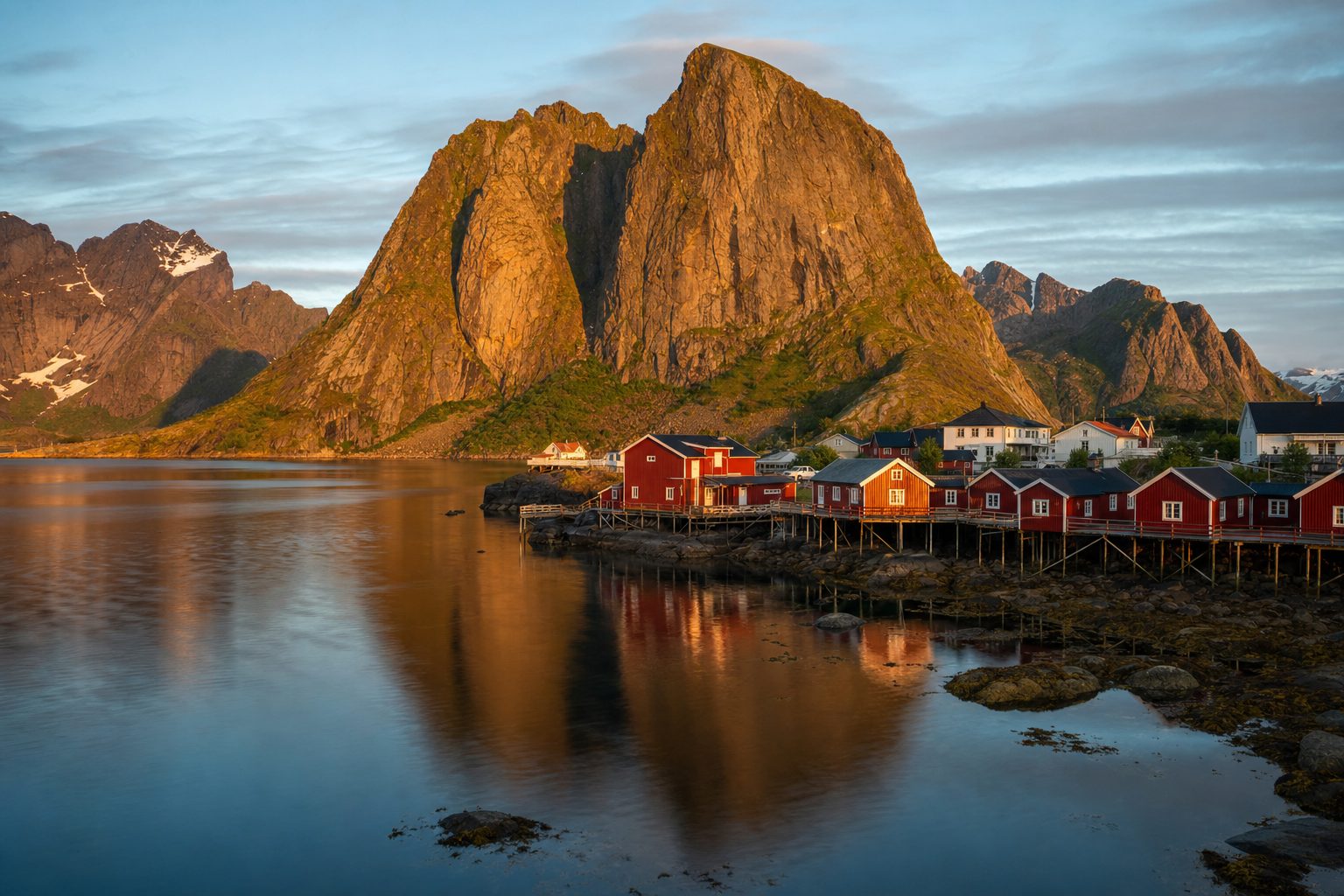
Jagged peaks drop straight into fjords across this Arctic archipelago, but the trip only works if you get the season, the ferry, and the driving right before you land.
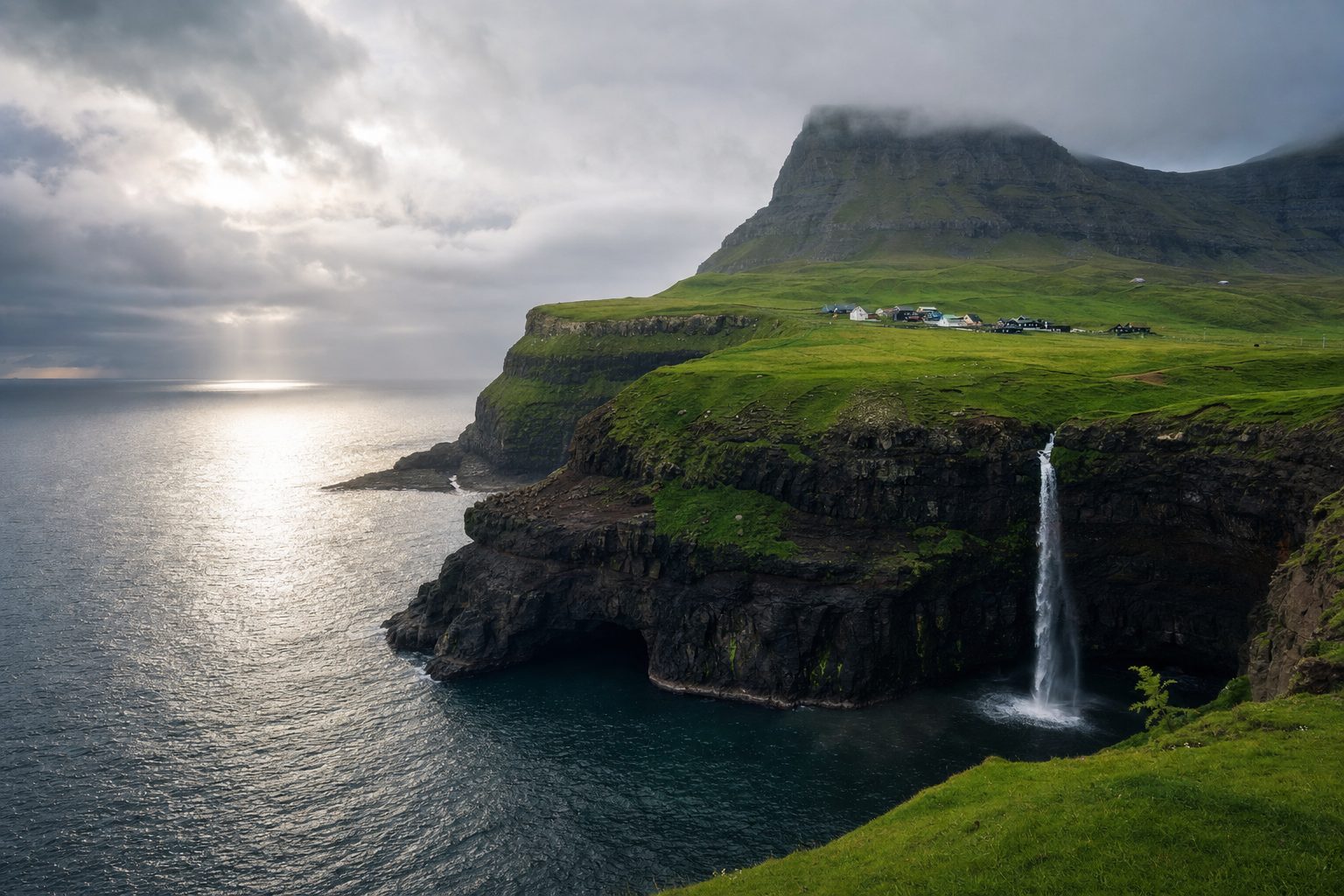
Reaching the cliffs and puffin colonies you have seen on Instagram means navigating regulated islands, tolled tunnels, and a Sunday shutdown, so the planning happens before you land, not after.
Three flexible routings that trade country-counting for fewer bases, city-centre rail, and one good day trip per stop — built to lift straight into a real first trip.
The Meridian Desk · 9 min read
Explore Europe by region
Nine regions, each a starting point for countries, cities, and routes.
A quick decision aid — verify specifics for your destination before booking.
Shoulder (Apr–May, Sep–Oct)
The sweet spot for most of Western and Southern Europe: milder weather, thinner crowds, better prices.
Peak summer (Jun–Aug)
Hottest, busiest, and priciest in the Mediterranean; ideal for northern Europe and the fjords. Book marquee sights ahead.
Winter (Nov–Mar)
Christmas markets in Central Europe, northern-lights season in the far north, and the lowest city crowds — some rural and island services thin out.
Book-ahead reality: timed entry is now the norm at major sights, and some cities meter access to their historic cores — for example Venice's day-tripper access fee (€5–€10 on peak days). Checked July 2026
Þingvellir's flooded rift offers 100-metre visibility in 2–4°C glacial water, but only with a licensed guide, a drysuit and the right paperwork. Here is how to choose your slot, season and operator, and what it costs.
Until 2021 you needed a 4x4 to reach this valley in the Accursed Mountains. Here is how to time the short season, choose between furgon, ferry loop and self-drive, and decide whether to cross the Valbona Pass.
Ireland's sixth-century monastic island caps visitors at 180 a day across a season that runs barely five months. How to choose between landing and cruising, book before it sells out, and manage the 618 steps.
Norway's most vertiginous photo stop sits at the end of a hard 11-kilometre hike above the Lysefjord — and the chains that make it possible come down each autumn. Here is how to time it, reach it and decide about the step.
Norway's most photographed ledge demands a 27-kilometre day and an early start. How the 11:00 cut-off works, which of the three trailheads to choose, and how to plan the shuttles, parking and weather windows.
Norway's most photographed cliff is a free, permit-less hike to a bare granite shelf 604 metres above Lysefjord. Here is how to reach the trailhead from Stavanger, when to start, and how to treat an edge with no fence.
Pena's ticket time is the palace slot, not the park gate — and that detail decides your whole day. How to plan tickets, trains and the 434 bus so one day in Sintra actually works.
From January 2026, smaller ships in Geirangerfjord must run emission-free. Here is how to plan the ferry crossing, the Skywalk at Dalsnibba and the Eagle Road around Norway's cleanest fjord season yet.
Switzerland's most photographed valley counts 72 waterfalls and two villages you cannot drive to. Here is how to plan the trains, the falls, the fees and an overnight stay that beats the crowds.
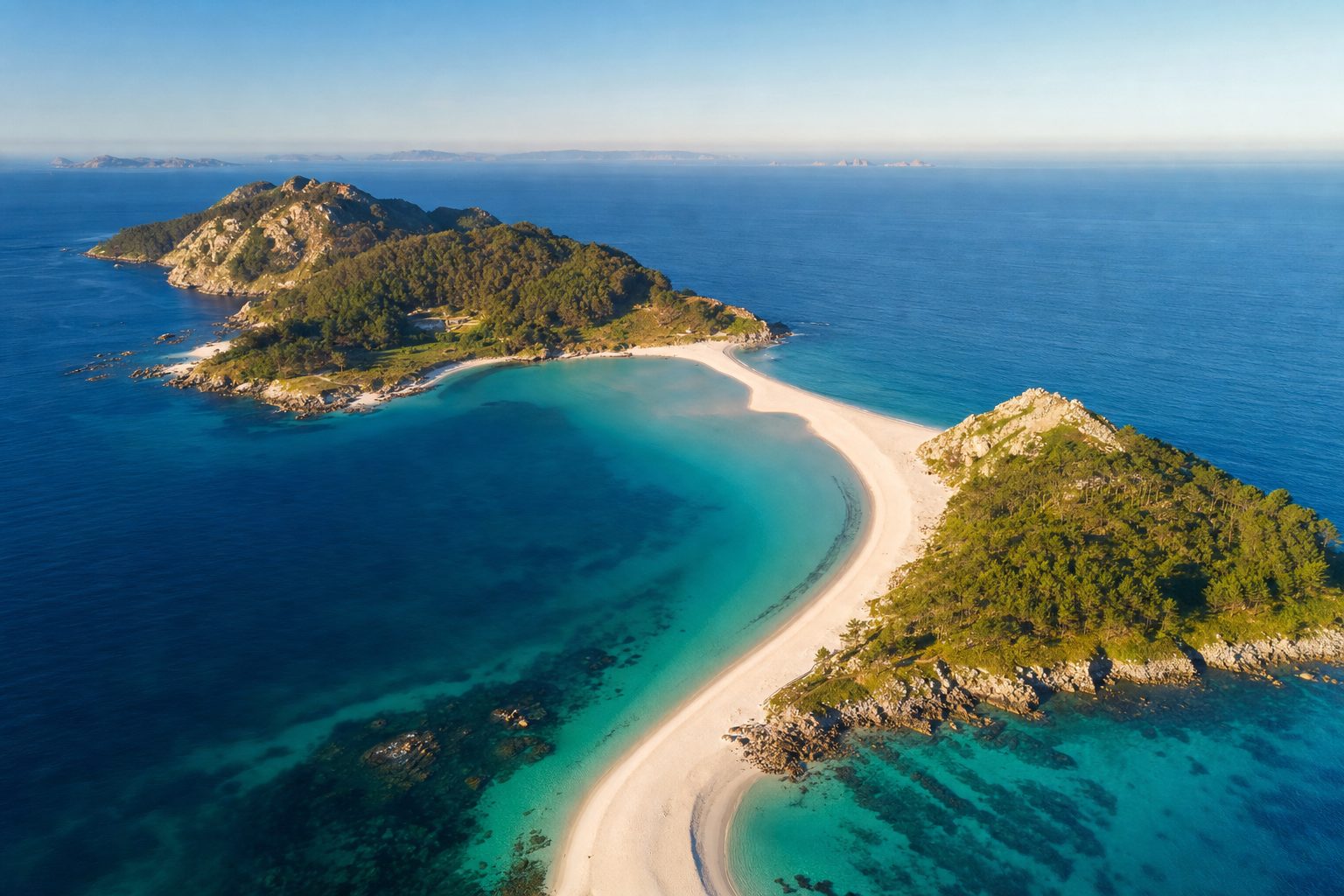
Spain's Cíes Islands cap visitors at 1,800 a day and make every ferry ticket conditional on a free government permit. Here is how the authorisation, the boats and the beach actually work.
Entering Capri's Blue Grotto means lying flat in a four-person rowboat while a skipper hauls you through a metre-high gap in the cliff. Here is how the tickets, the timing and the sea decide whether you get in.
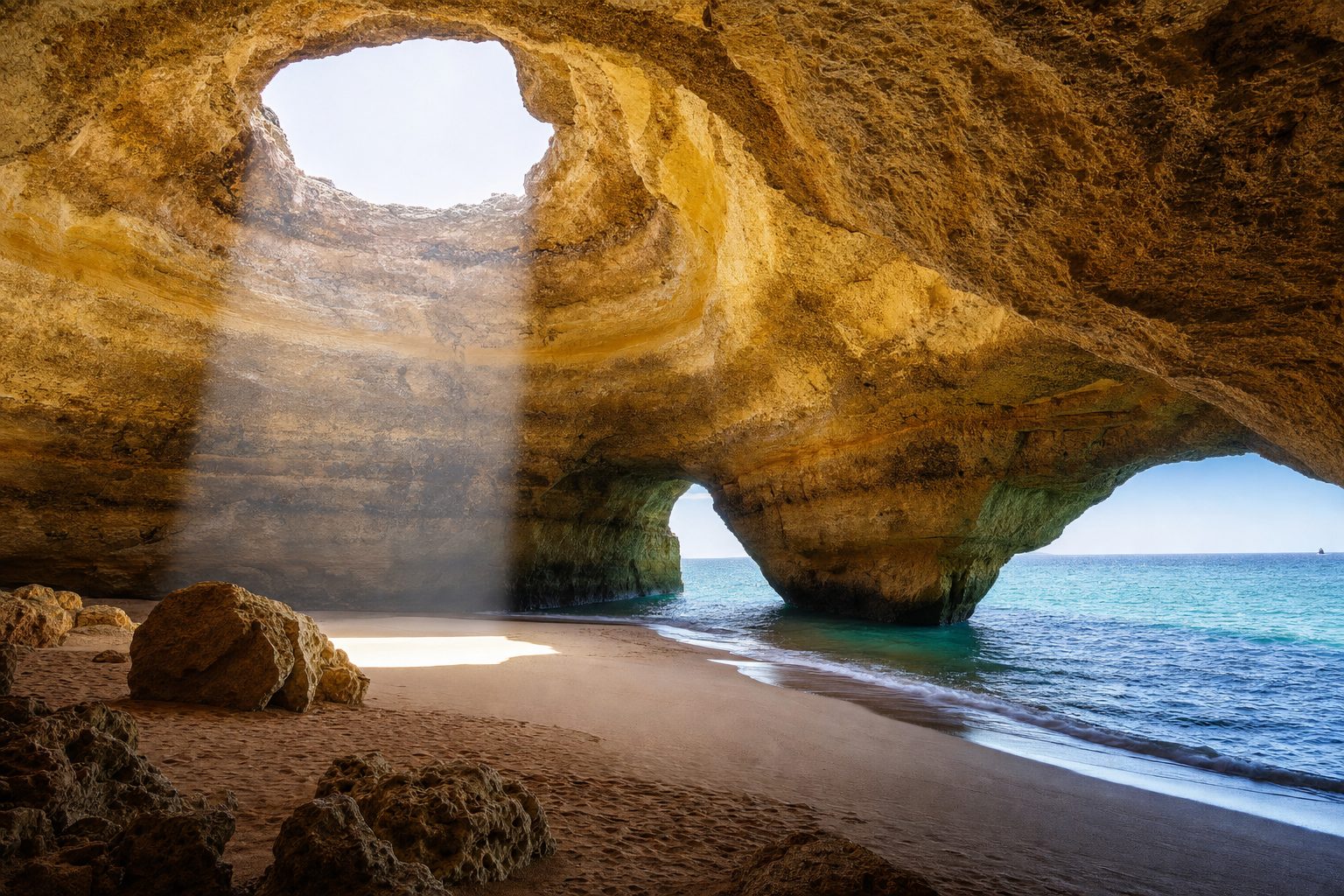
Swimming into Algar de Benagil has been banned since 2023, and since August 2024 a licensed boat or guided kayak tour is the only lawful way in - here is how to book one and when to go.
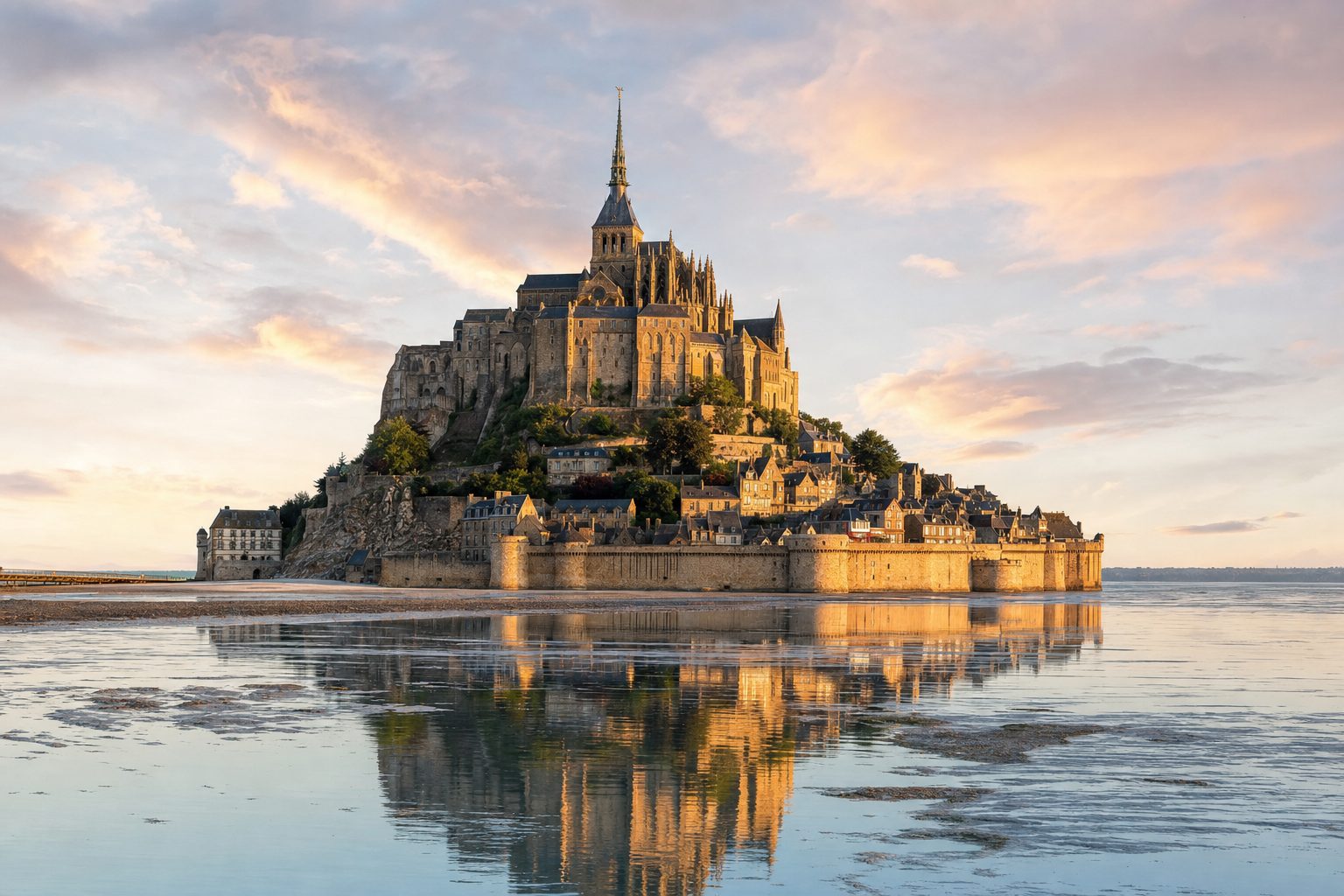
No car has reached the rock since a 2014 footbridge replaced the causeway, so the real planning questions are which parking shuttle to catch, when to book the abbey, and which tide coefficient to chase.
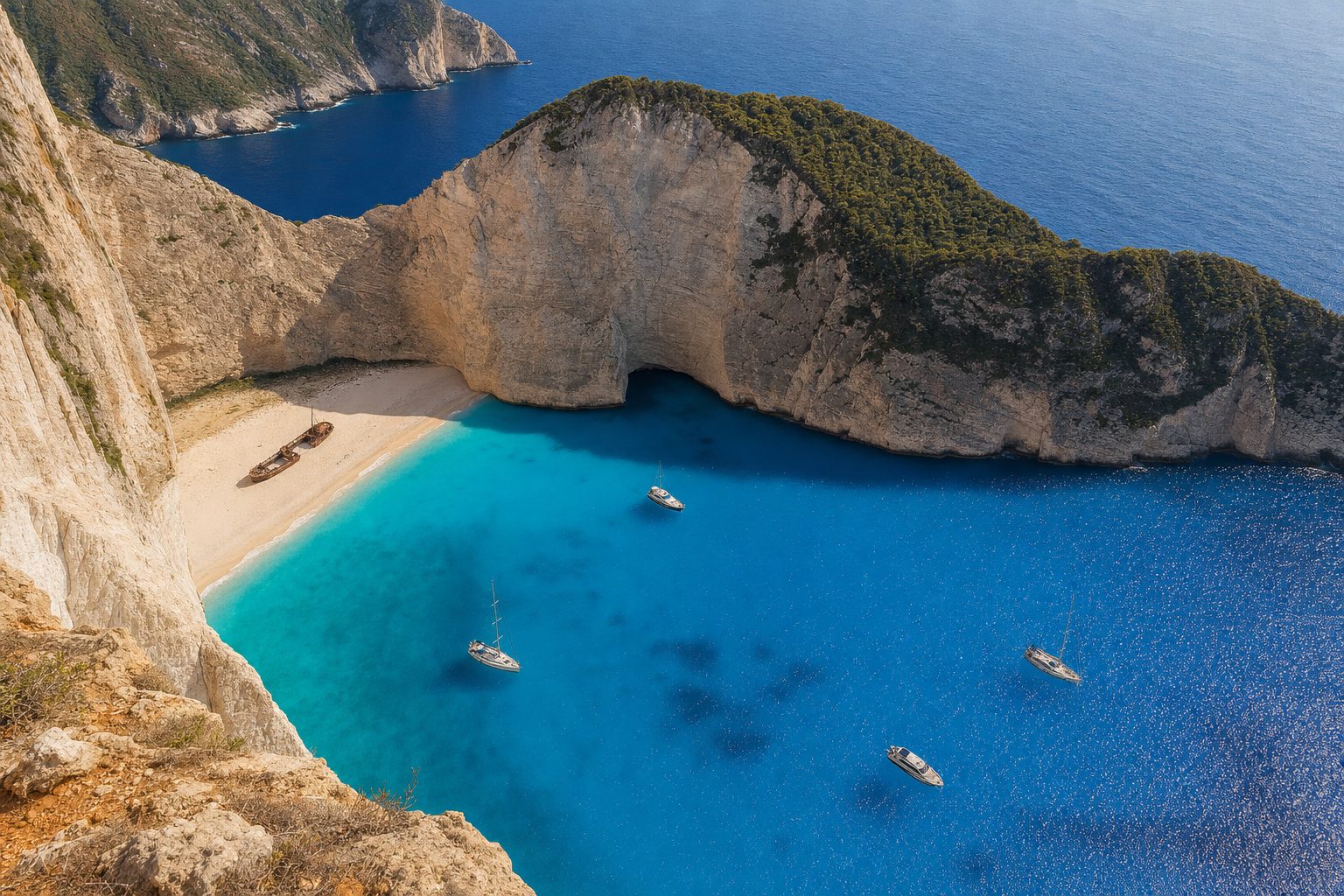
Navagio has been off-limits to landings since 2022 and the ban now runs to 31 October 2026, so plan around the clifftop viewpoint and a view-only boat trip, not a walk on the sand.
Plan Cinque Terre around the right rail-and-trail card, a timed Via dell’Amore slot and the route closures that shape a first visit to its five villages.
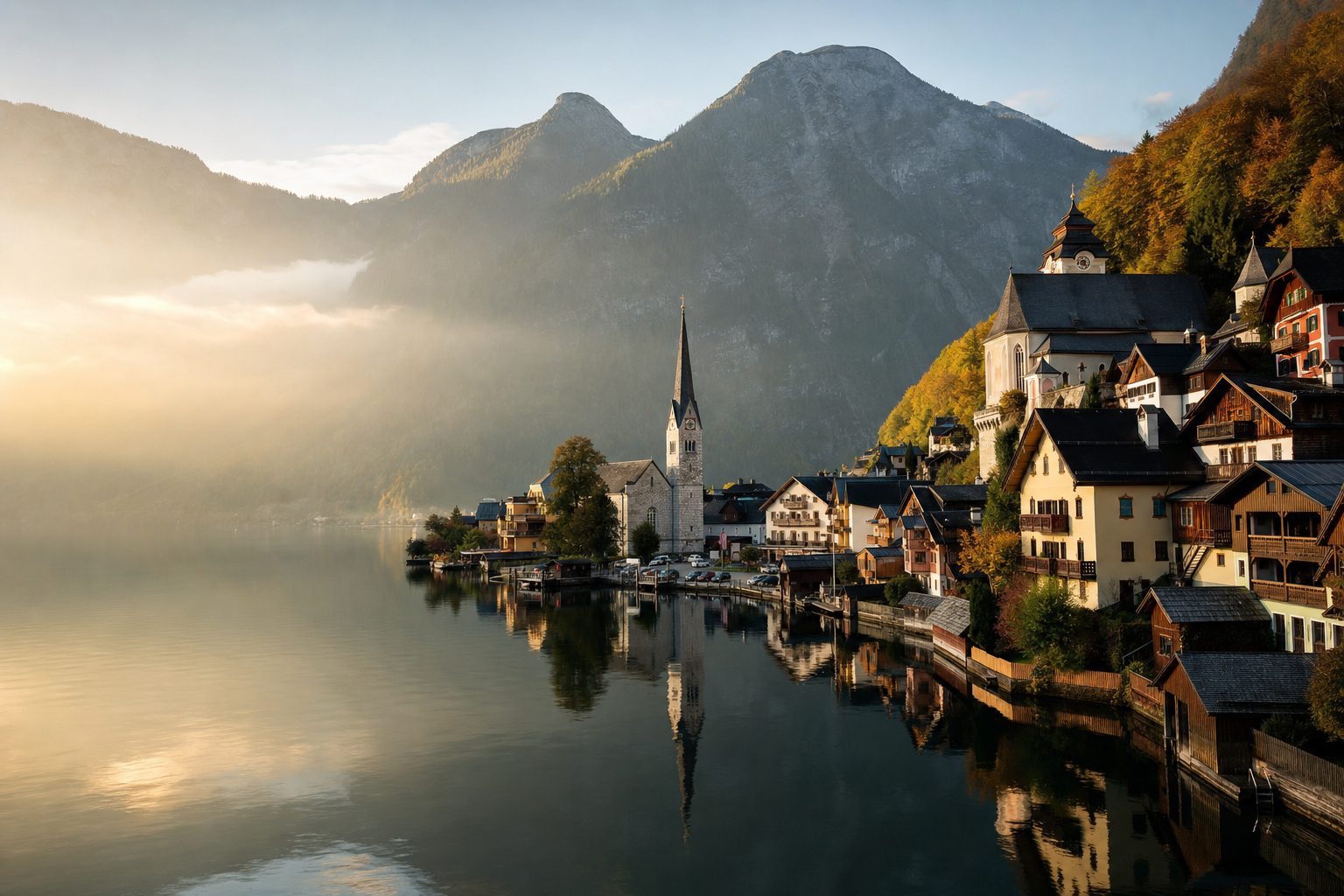
Plan Hallstatt for the 29 August 2026 salt-mine reopening, then use early and late hours, sensible parking and new coach controls to see a very small village well.
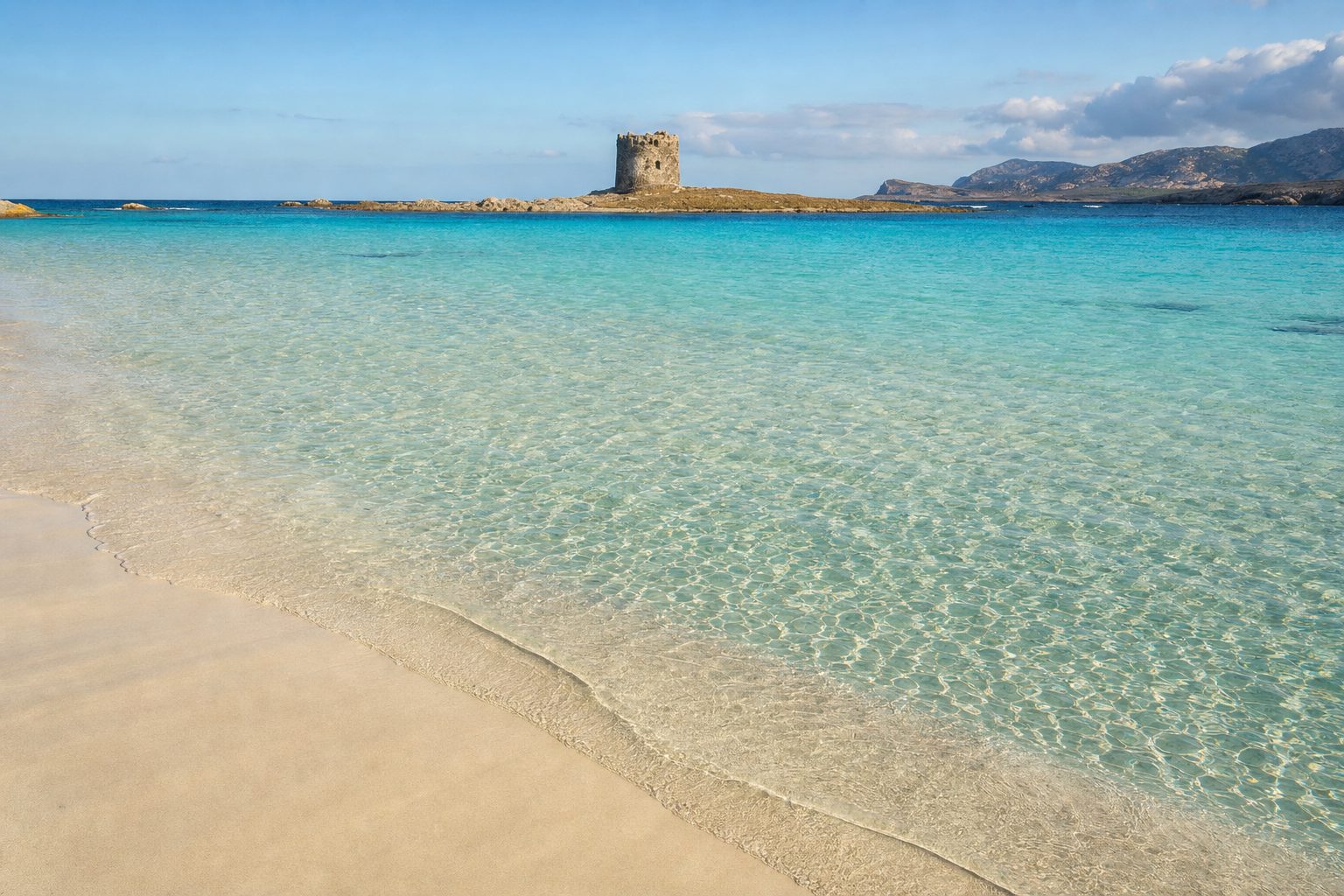
Plan La Pelosa around its 2026 reservation cap, the 48-hour ticket release and a strict sand-protection rule, then use the evening window or quieter Stintino beaches well.
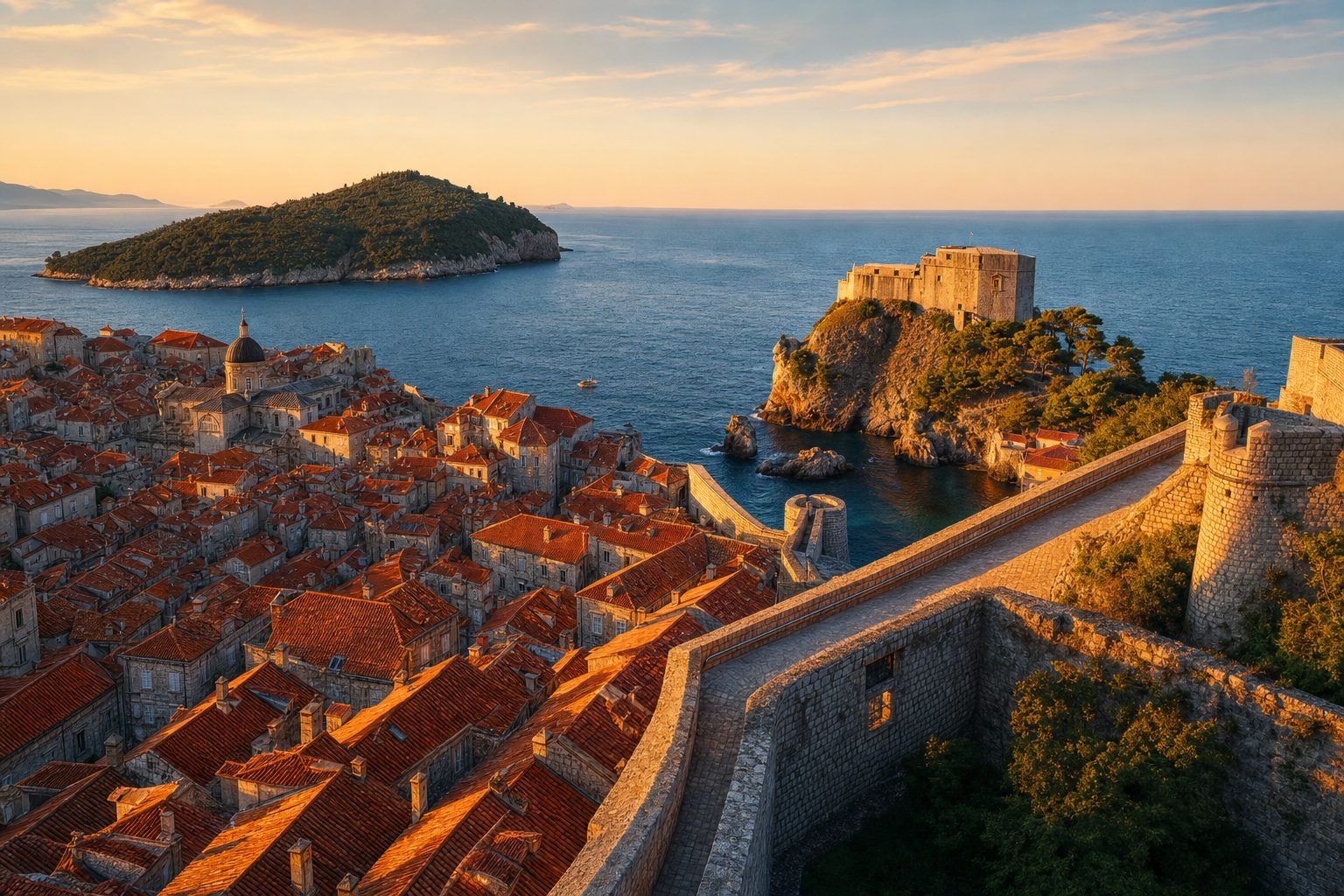
Plan Dubrovnik Old Town around the cruise calendar, required online wall booking and a pass that makes the price of the ramparts work harder, then leave room for Lokrum or Srđ.
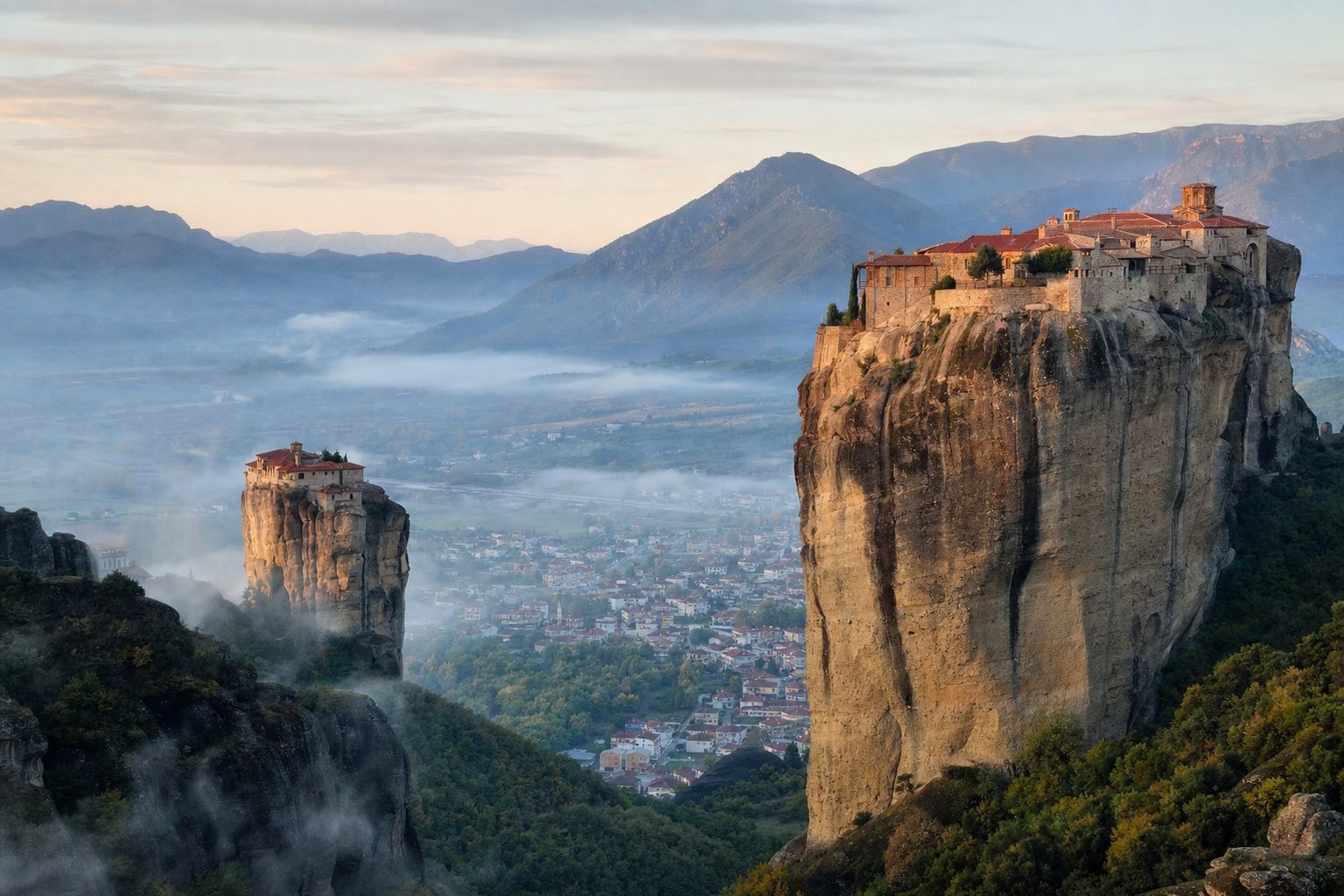
Plan Meteora around the monastery rotation, cash-only gates and strict clothing rules, then arrive early enough to see the rocks before the coach groups do.
Plan Pamukkale around the rules that change the visit: bare feet on the terraces, one combined site ticket, a separate thermal-pool fee and the coach-bus rhythm.
Plan Lake Bled around the traditional pletna, timed Vintgar Gorge entry and quieter viewpoints, with the prices, transport choices and timing that matter in 2026.
Visby is best approached as a walkable medieval town with a ferry timetable, a summer traffic rule and a festival calendar—not as a place to rush through by car.
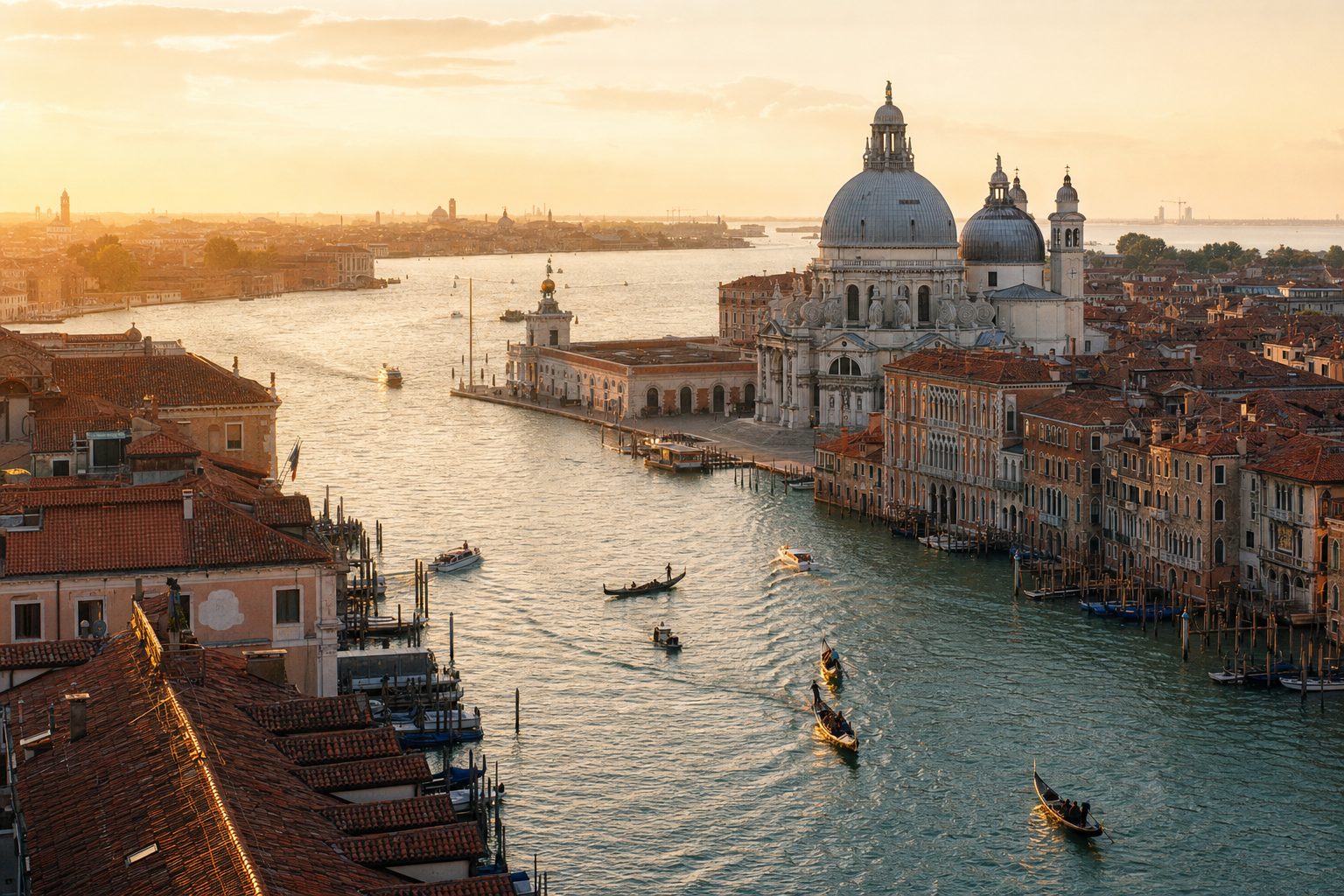
Venice rewards a deliberate visit. Use the 2026 Access Fee rules, water-transport arithmetic and a few careful choices to see the city with more time and less waste.
Senja offers Norway's sharpest coastal scenery without a hurried Lofoten itinerary, if you choose the right light, route and mountain day before you arrive.
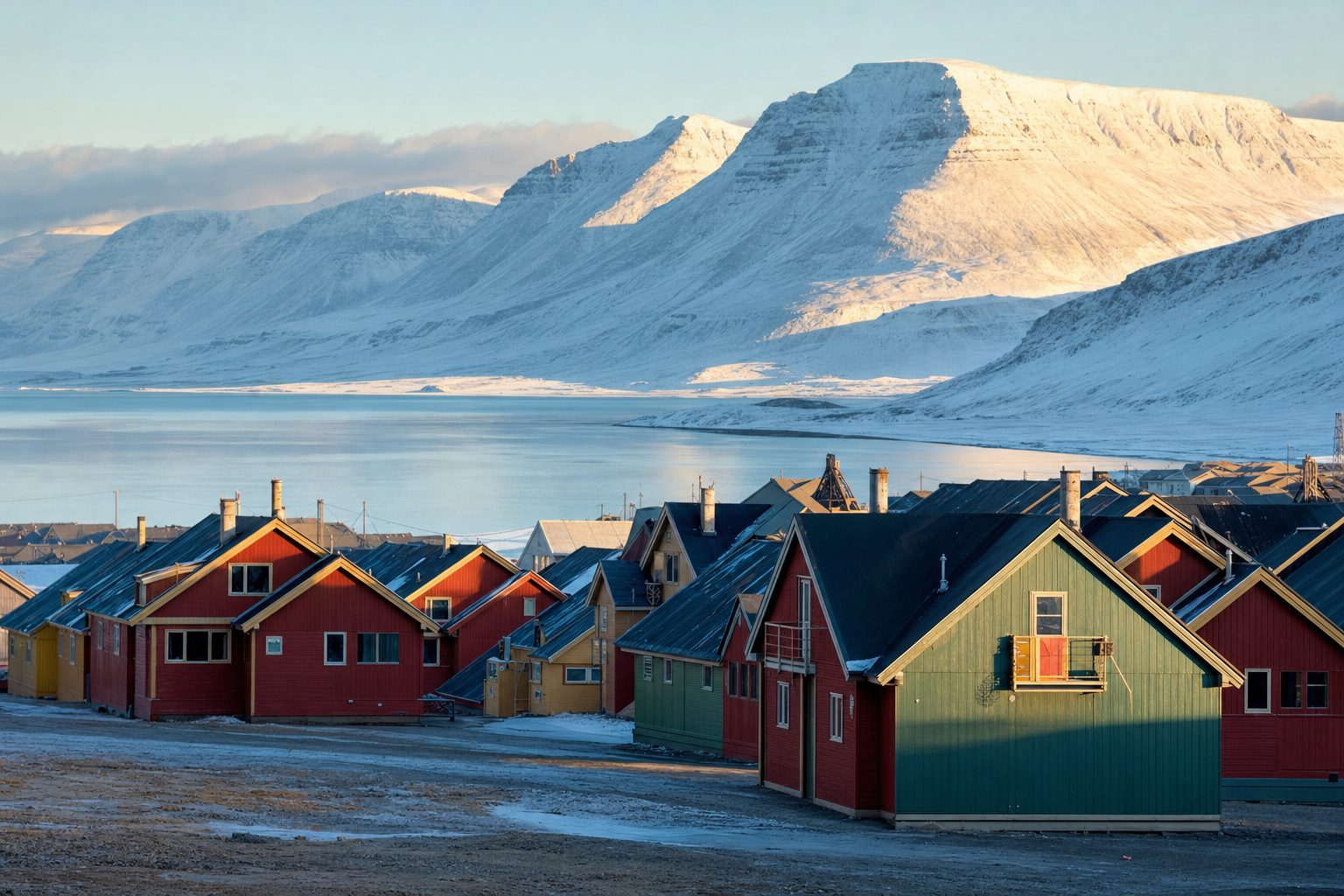
Before booking a Svalbard trip, understand the rules that actually shape it: polar bear protocol, firearm law, strict wildlife distances, and an archipelago reachable only by air.
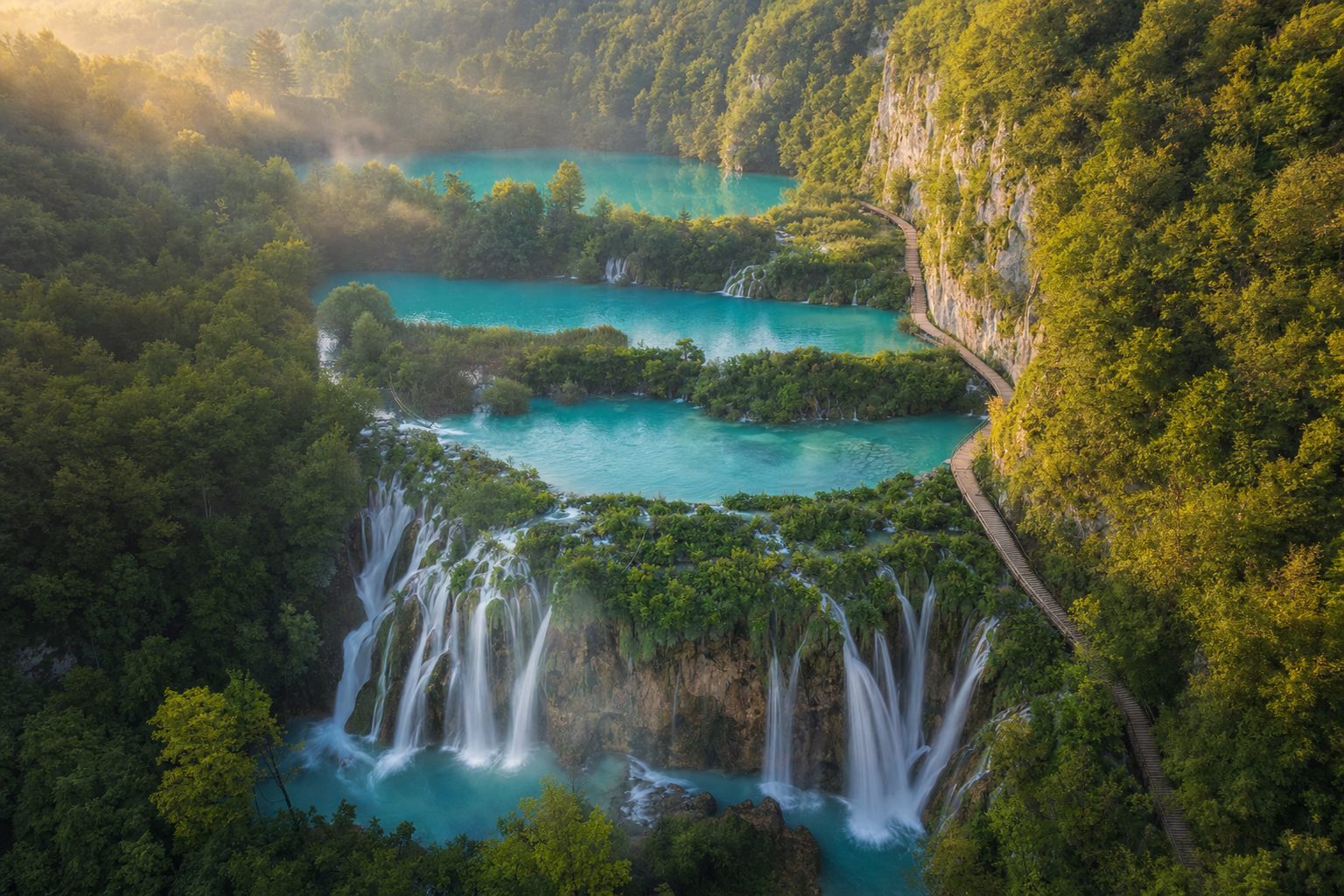
Sixteen turquoise lakes and a strict rulebook define this UNESCO park, so the questions that matter most are which timed ticket to book, which of two entrances to use, and how to behave once inside.
Ninety kilometres of coast road link two of the Adriatic's grandest harbours, but the short stretch in the middle crosses a full external EU border. Here is how to time it, cross it, and use the extra day well.
A practical guide to reaching Ilulissat, paying the Icefjord site fee, choosing a hiking trail, and booking around Greenland's fly-or-sail reality and unpredictable Arctic weather.
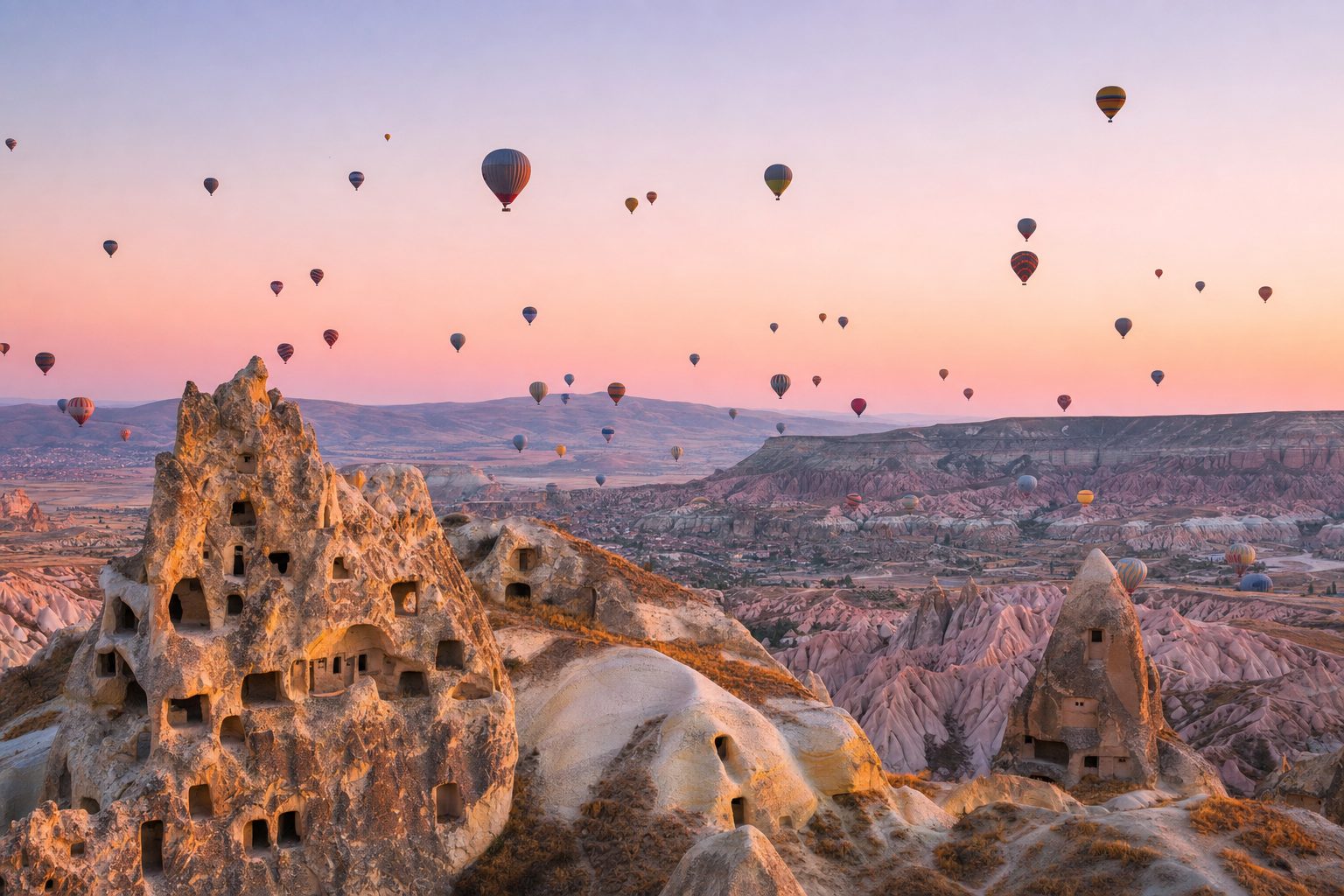
The balloon shot from your feed is real, but a third of mornings ground the fleet on wind alone. Here is how to plan around that, and what to do with the ground-level days.
Superclubs built Ibiza's reputation, but the island's north coast, cliffside sunsets, and hippy markets are what keep people coming back once the bass has faded.
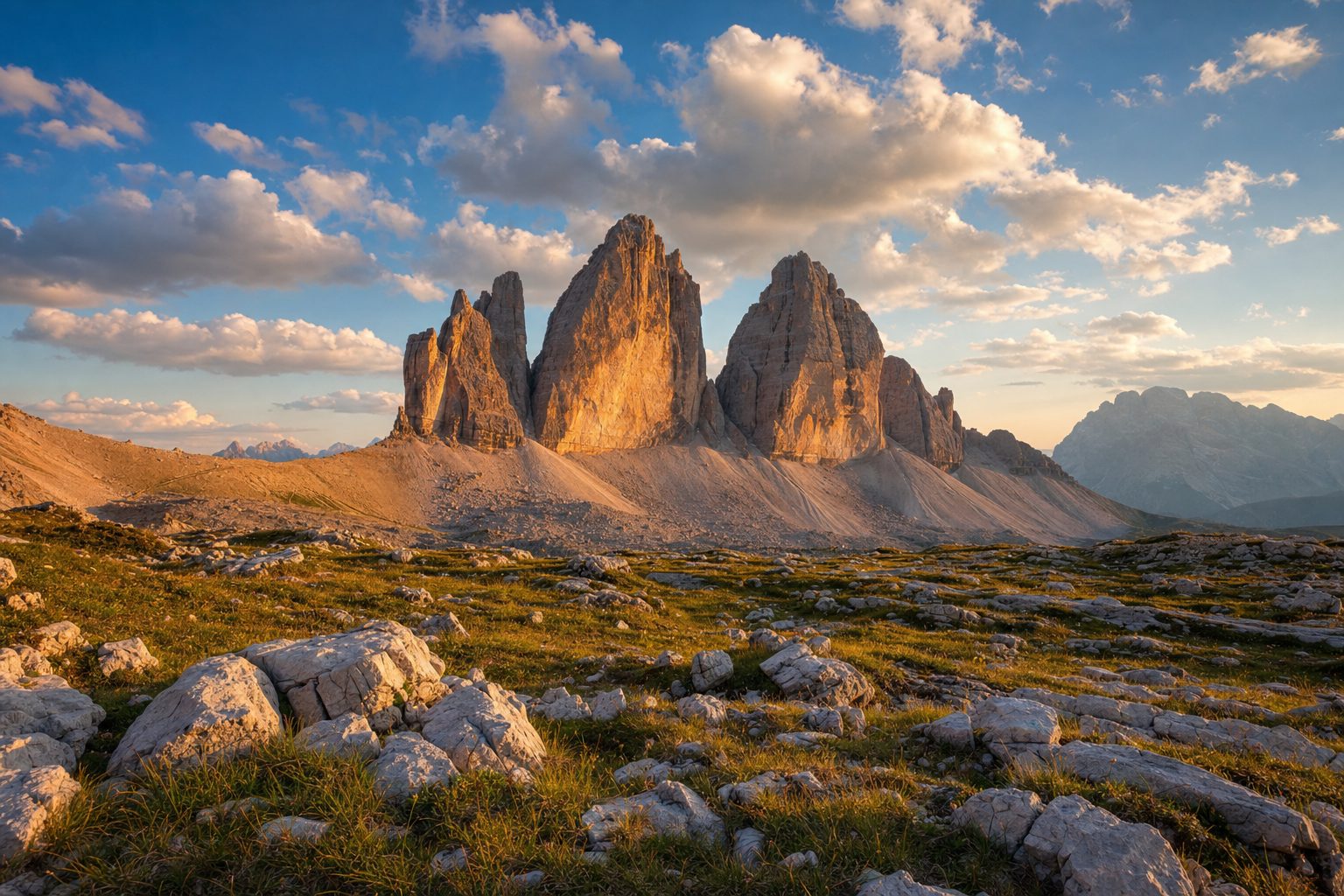
New booking systems now govern the roads to Tre Cime di Lavaredo, Alpe di Siusi and Lago di Braies, so the choices that matter most happen before you ever lace up your boots.
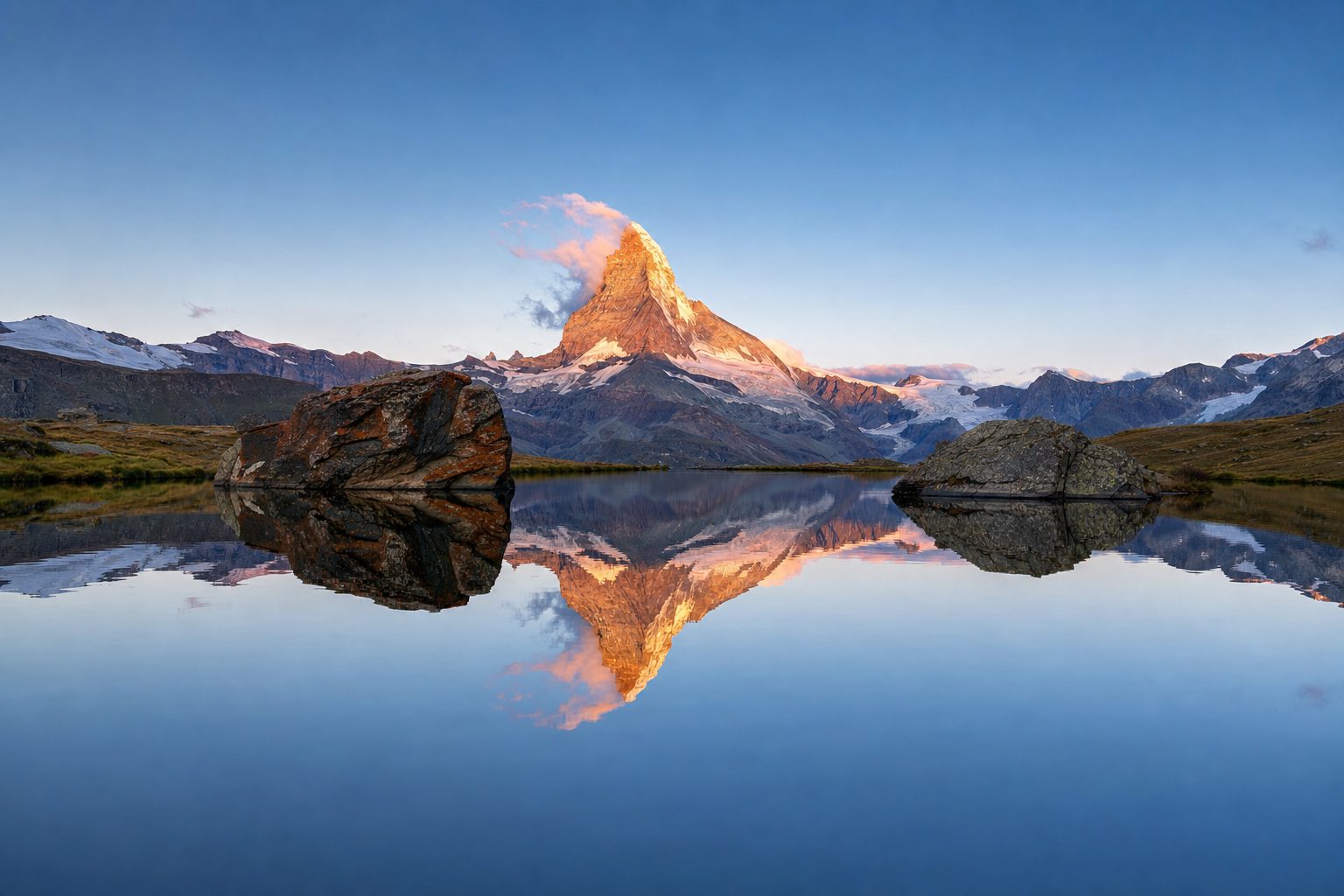
Zermatt allows no private cars, its two best viewpoints charge by the hour, and its most photographed lake rewards only those who show up before the crowds. Here is how to plan around all three.
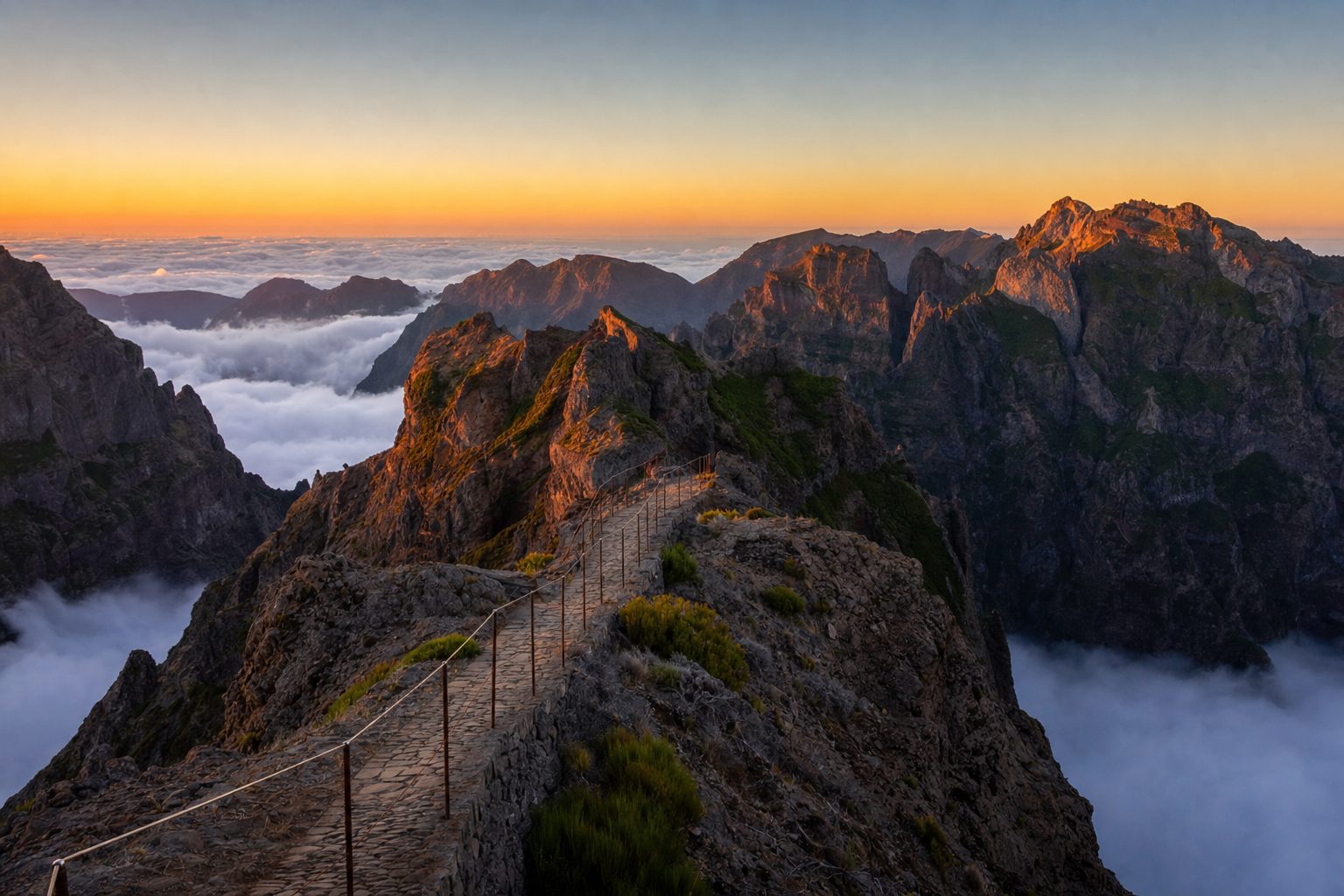
Madeira's water-channel paths and ridge trails reward careful planning: book your permits ahead, pick one route a day, and read the mountain forecast separately from the coast.
Two crater lakes, an online-only hot spring, and a lake reserve now run by shuttle bus mean the best São Miguel trip is booked and timed, not improvised.
Jagged peaks drop straight into fjords across this Arctic archipelago, but the trip only works if you get the season, the ferry, and the driving right before you land.
Reaching the cliffs and puffin colonies you have seen on Instagram means navigating regulated islands, tolled tunnels, and a Sunday shutdown, so the planning happens before you land, not after.
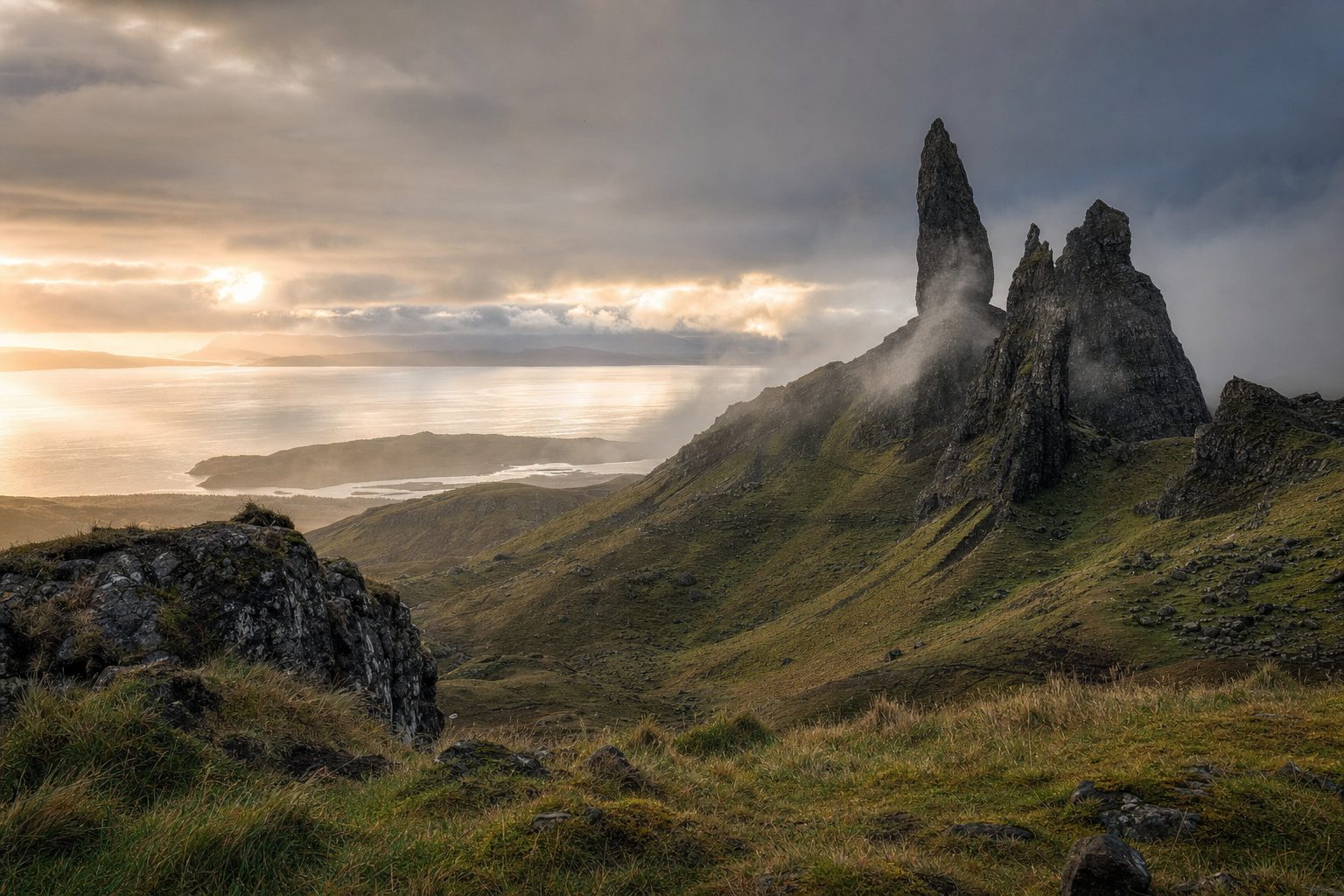
The Cuillin skyline and the Old Man of Storr photograph beautifully, but the island runs on single-track roads, paid car parks, and a midge season that reward planning before you set off.
Half the old coastal trail is shut for safety works and ticket prices swing by time of day, so the choices you make before you arrive shape the whole visit.
The Cyclades' most photographed island is also its most misunderstood. Beyond the sunset scrum lies a landscape shaped by catastrophe, a wine unlike any other, and a way of eating that repays those who leave the caldera rim.
There is exactly one highway that circles Iceland, and it strings together nearly everything the island is famous for — waterfalls, black beaches, a lagoon full of icebergs, and a capital learning to cook the North.
Portugal rewards the traveler who refuses the motorway. Between the tiled hills of the capital and the golden coves of the south lies a coast of rice fields, fishing towns, and the last headland in Europe.
Europe isn’t one destination — it’s a dozen. A quick tour of the regions, from the British Isles to the Balkans, with help matching each to the trip you actually want.
When to take the high-speed train, when to fly, when a night train saves a hotel night, and when a rental car is worth the hassle — a mode-by-mode guide for a first European trip.
Under-visited places that official tourism boards themselves promote — Italy’s quiet villages, Norway’s hidden fjords, and more — with one firm rule about what counts.
Schengen, EES, ETIAS, the UK ETA, passports, money, phones and plugs — the essentials a US traveller needs to sort before boarding, checked against official sources in July 2026.
The landmarks and cities that genuinely earn the hype — drawn from official tourism boards — plus a way to see them that doesn’t turn a holiday into a checklist.
Three flexible routings that trade country-counting for fewer bases, city-centre rail, and one good day trip per stop — built to lift straight into a real first trip.
Italy’s SS163 is only 50 kilometres long, but it holds a lifetime of switchbacks, lemon groves, and sea-view lunches. Here is how to do it without white knuckles.