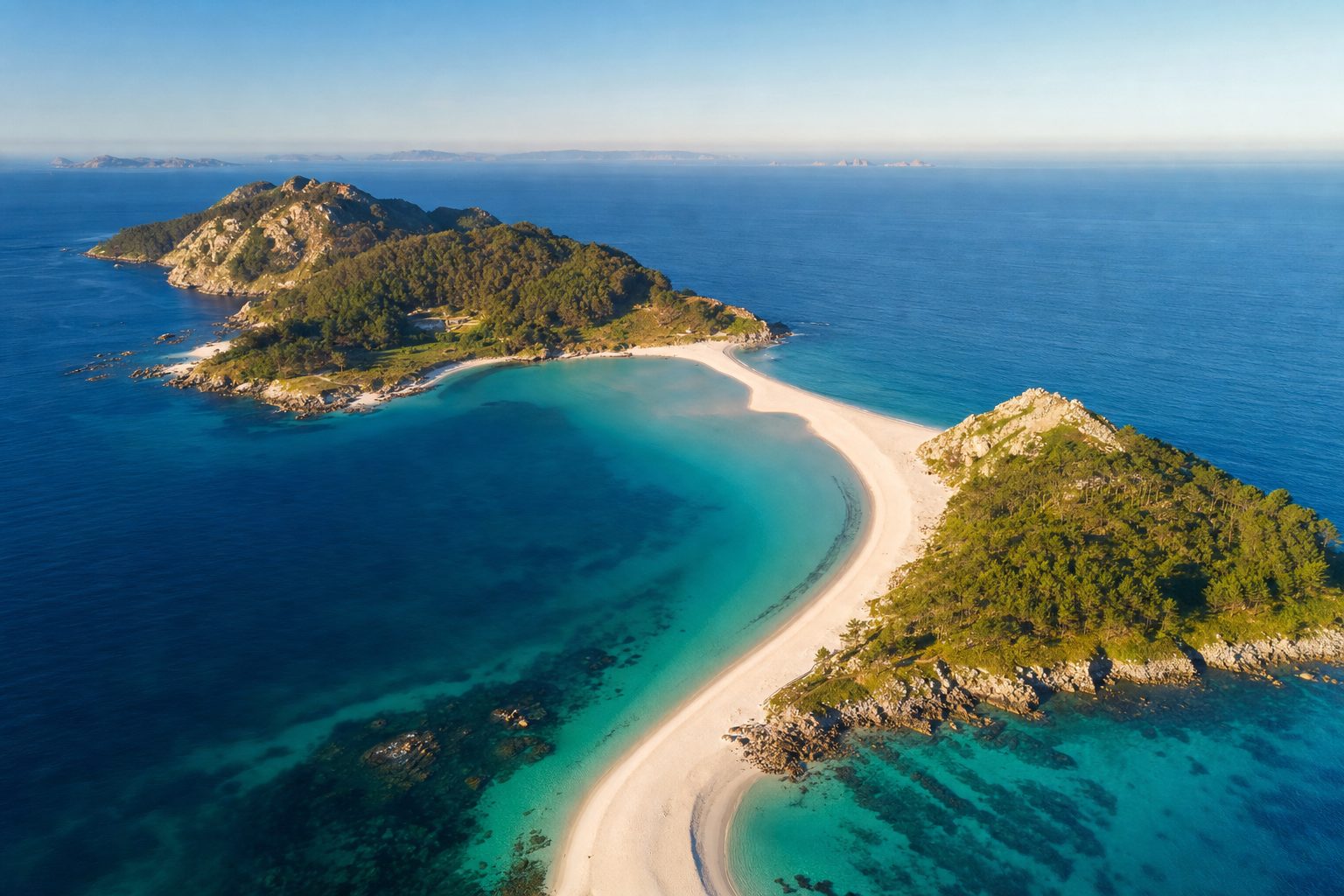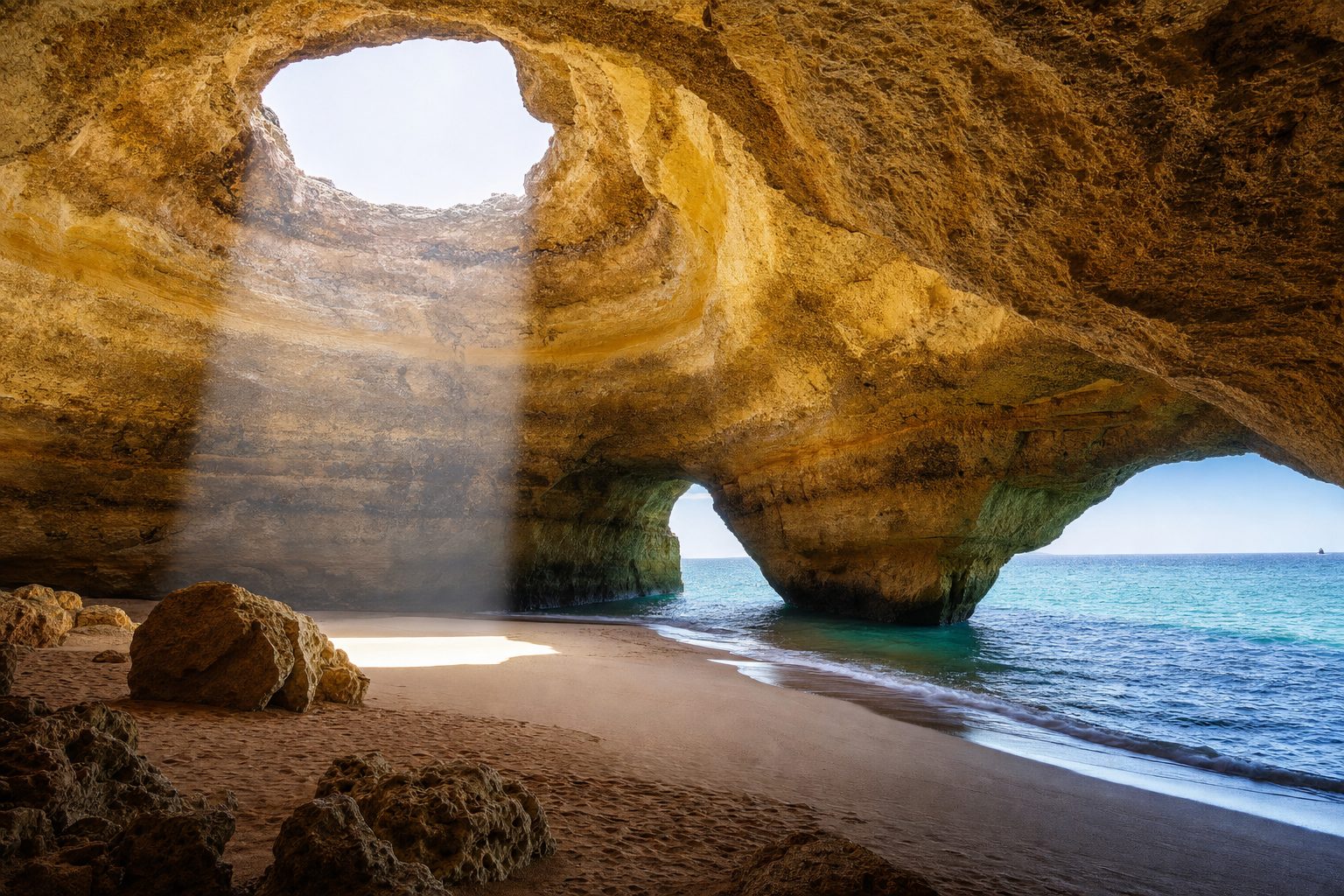
Most first-time visitors arrive in Ibiza with a club night already booked and a rough idea that the rest of the island is an afterthought. That gets the order backwards. The decisions that shape a good trip here are less about which venue to queue for and more about where to base yourself, whether to hire a car, and how to structure days around sunset rather than midnight. The clubs are real and worth acknowledging honestly — Ibiza's nightlife reputation was not invented by Instagram — but the island's coves, walking trails, markets, and long lunches are what most seasoned visitors end up prioritising after their first trip.
This guide treats the party scene as one layer of a bigger place, and spends more time on the north coast, the protected coastline around Es Vedrà, Dalt Vila's old town, and the practical questions — when to go, whether you need a car, what to book ahead — that determine whether the trip feels rushed or unhurried. Ibiza is roughly 40 kilometres long and rarely more than 20 kilometres wide, which makes it entirely feasible to base yourself away from the nightlife strips and still reach a club, a market, or a quiet cove within an hour's drive. The choices below are organised the way a first-time visitor actually has to make them: pick a season, decide whether to hire a car, choose a base, and then layer in the specific coves, meals, and markets that make the trip distinctive rather than generic.
When to go: matching the season to what you want
Ibiza runs on a sharply seasonal calendar tied to the club circuit. The main venues typically operate from late April or May through to mid-October, with the widest choice of parties in July and August and a run of closing events stretching into the first half of October. Outside that window, parts of the tourist coast quiet down considerably, though Ibiza Town and the inland villages stay functional year-round.
Ibiza's four-part UNESCO World Heritage designation, "Ibiza, Biodiversity and Culture," covers the fortified upper town of Dalt Vila, the Phoenician-Punic necropolis of Puig des Molins, the Phoenician settlement of Sa Caleta, and the island's Posidonia oceanica seagrass meadows, and dates to 1999. [1]
May and June, and again September into early October, are the shoulder windows worth prioritising: sea temperatures are close to their summer peak, the club calendar is running (including opening and closing parties, which draw their own crowds), and accommodation and car hire prices sit well below the August ceiling. Winter, from November to April, is a genuinely different trip — most beach clubs, seasonal restaurants, and the big venues close, but Dalt Vila, the countryside, and a handful of year-round restaurants remain open for travellers who want the island without the crowds.
Do you need a car? Yes, if you want the north
Ibiza's bus network reaches the main resort towns and popular beaches, but the northern coves, inland villages, and cliffside viewpoints that this guide focuses on are difficult to reach without your own transport. A hire car is the practical answer for most visitors who want to move beyond Ibiza Town, Playa d'en Bossa, and San Antonio.
Demand for hire cars is highest between June and August, when queues at the airport hire desks lengthen and rates climb; booking weeks or months ahead secures both a lower price and a wider choice of vehicle. Off-peak, from November through April, cars are considerably cheaper and more readily available, but note that some hire desks and inland fuel stations keep reduced hours in winter. As checked in July 2026, the Ibiza Airport authority continues to advise pre-booking for the busiest months rather than relying on same-day availability, and confirms that an EU driving licence is sufficient for hire while non-EU licences should be accompanied by an International Driving Permit.
The north coast: Benirràs and the coves beyond San Antonio
The north of the island, roughly the stretch running from Sant Miquel de Balansat through Sant Joan de Labritja to Portinatx, is where Ibiza's slower character is easiest to find. Pine-backed coves, working villages, and a handful of long-established hippy markets sit within a short drive of each other, and the pace is set by daylight rather than a DJ set list.
Cala Benirràs, on the island's northwest coast, is the best-known of these coves, largely because of its long association with informal sunset drumming. The tradition traces back to gatherings that grew out of the island's hippy community in the early 1990s; the drumming became a fixture of Sunday evenings for years, drawing crowds large enough that local authorities in the municipality of Sant Joan eventually introduced access and parking controls during peak summer weekends to manage overcrowding and traffic. Smaller, informal drum circles still gather most evenings through the summer as the sun drops behind the cove's distinctive Cap Bernat rock formation, though visitors should treat it as an unofficial, unticketed local custom rather than a scheduled show.
- Cala Benirràs — sunset drumming, a small daily hippy market in summer, best reached before the evening rush
- Cala d'en Serra — a quieter pine-fringed cove near Portinatx with no major development
- Portinatx itself — three linked beaches and a working small-town harbour
- Sant Miquel de Balansat — an inland village base with easy access to Benirràs and Port de Sant Miquel
- Cala Xarraca — a shallow, rocky-edged cove popular for snorkelling, near Portinatx
Es Vedrà and the protected southwest coast
On the opposite side of the island, the limestone islet of Es Vedrà rises just under 400 metres out of the sea off Cala d'Hort, and has become one of Ibiza's most photographed natural features. It sits inside a designated nature reserve along with the neighbouring islet Es Vedranell and the Illots de Ponent, protection that dates to a 2002 regional decree and prohibits public landing on the rock itself, though boat trips around it are permitted.
Es Vedrà and Es Vedranell were declared a Natural Reserve under Balearic government Decree 24/2002 of 15 February 2002, within the wider Cala d'Hort, Cap Llentrisca and Sa Talaia Natural Park; the reserve covers roughly 79 hectares and bars public access to the islet. [2]
The most accessible viewpoint is the beach at Cala d'Hort itself, which faces the rock at sea level and has restaurants and parking nearby. The formerly popular clifftop route to the Torre des Savinar watchtower has been closed to public access in recent years by the landowners and local authorities, citing overcrowding, erosion, and safety concerns, so visitors should check current access conditions locally before planning a hike there rather than assuming the old route is open.
The property brings together exceptional archaeological and historic sites on Ibiza with an adjacent marine reserve of global importance, including the best-preserved Posidonia oceanica seagrass meadows in the Mediterranean.
— Paraphrased from the UNESCO World Heritage Centre listing for Ibiza, Biodiversity and Culture
Dalt Vila: the old town anchoring the island's history
Ibiza Town's walled upper quarter, Dalt Vila, is the cultural counterweight to the beach clubs — a fortified Renaissance-era acropolis that has been continuously built up since Phoenician settlement, through Arab and Catalan periods, to the 16th-century bastions that give the old town its current profile. It is included in the same UNESCO designation that covers the island's Phoenician archaeological sites and seagrass meadows, recognised specifically for the fortifications' influence on military architecture across the Mediterranean and in Spain's colonial New World towns.
Walking Dalt Vila's ramparts costs nothing and works at any time of year, including winter, when the old town is one of the few parts of the island still fully functioning. Evenings bring a good concentration of restaurants inside the walls, and the elevated position gives sea views back over the harbour that rival any sunset spot on the coast.
Where to eat, drink, and stay for the golden hour
Three names come up repeatedly among visitors looking for the island's quieter, more considered side. La Paloma, a garden restaurant in the small inland village of San Lorenzo (Sant Llorenç de Balàfia), serves a Mediterranean and Italian-leaning menu among citrus trees; it is popular enough, particularly for long lunches, that a reservation made directly with the restaurant is worth arranging ahead rather than turning up on spec.
Hostal La Torre, on the rocky Cap Negret coastline a few kilometres from San Antonio, has built its reputation almost entirely on its clifftop sunset terrace, with resident DJ sessions accompanying the evening view out toward the islet of Sa Conillera. The restaurant operates year-round, but tables for the sunset sitting are in high demand through summer and the operators recommend booking at least a week ahead in peak season.
For a different kind of night out, Pikes, the boutique hotel near San Antonio associated with the island's countercultural lore, runs a regular calendar of events through the summer season alongside its restaurant and gardens; guestlist access typically opens a couple of weeks before each date and fills up, so early sign-up matters more than showing up at the door.
The hippy markets: Las Dalias and Punta Arabi
Ibiza's counterculture history is easiest to experience concretely at its two long-running markets. Las Dalias, near Sant Carles de Peralta in the northeast, runs a Saturday market and a smaller Sunday session, alongside an associated café and terrace that operate through the week; the organisers note that late morning on Saturdays is the busiest window and that the market can close entry once it reaches capacity. Punta Arabi, in Es Canar, is the older and larger of the two, running weekly since the 1970s with a far bigger footprint of stalls.
Both markets sell handmade jewellery, leather goods, clothing, and art, and both reward an early or later visit over the midday rush. Neither requires advance booking, which makes them a low-friction way to fill a slower afternoon between beach time and dinner.
Bringing the two islands together
None of this requires skipping the clubs entirely — a night at one of the big venues remains a genuine part of what makes Ibiza distinct, and pretending otherwise would be dishonest about the island's history. The more useful shift is sequencing: base a trip around the north coast or the old town, treat a club night or two as a deliberate choice rather than the whole itinerary, and let sunset-watching, market mornings, and long lunches fill the rest of the week. A rough structure that works well for a first trip is three or four nights near the north coast for Benirràs, the inland villages, and Las Dalias, followed by a shift toward Ibiza Town or the southwest for Dalt Vila, Es Vedrà viewpoints, and one deliberate club night before flying home.
Travellers weighing Ibiza against other Mediterranean island trips, including the Greek islands, will find the comparison mostly comes down to this same question of pace, and those assembling a wider beach shortlist may also want to see how Ibiza's coves stack up in a broader look at the world's beaches by type.
Sources & further reading
- 1. UNESCO World Heritage Centre — Ibiza, Biodiversity and Culture
- 2. Balearic Government Decree 24/2002 — Cala d'Hort Natural Park and Es Vedrà Nature Reserve
- 3. Ibiza.travel — Official Ibiza Tourism Board
- 4. Hostal La Torre — official sunset dining information
- 5. Pikes Ibiza — 2026 season and events information
- 6. Las Dalias Ibiza — official market hours and information
- 7. IbizaPreservation — Protected Areas of Ibiza
- 8. Ibiza Airport — official car hire guidance
- 9. La Paloma — official restaurant information
- 10. Image source — Es Vedrá y Es Vedranell, Ibiza.jpg
- 11. Image licence — CC0