The coast road south from Dubrovnik to the Bay of Kotor covers barely 90 kilometres, but it crosses from the European Union into a country that is neither in the EU nor in Schengen. Since 10 April 2026 that crossing has also been the Entry/Exit System's live testing ground on the Adriatic, which changes how a traveller should plan the day rather than whether the drive is worth doing. It still is: the road runs past Cavtat's harbour, along the Konavle coast, and delivers you to a fjord-like bay ringed by mountains that drop straight into the sea.
The route and what to see along it
Most itineraries run Dubrovnik – Cavtat – the border – Herceg Novi – Perast – Kotor on a single coastal road, with no ferry needed. Cavtat, a short detour off the main road, has its own harbourfront and a tourist board that can point to current opening hours for the town's small museums. Once across the border, the road hugs the Bay of Kotor for its final stretch, passing Herceg Novi's old quarter before reaching Perast, a former captains' town of sixteen surviving Renaissance and Baroque palaces built when its sailors ranged across the Mediterranean.
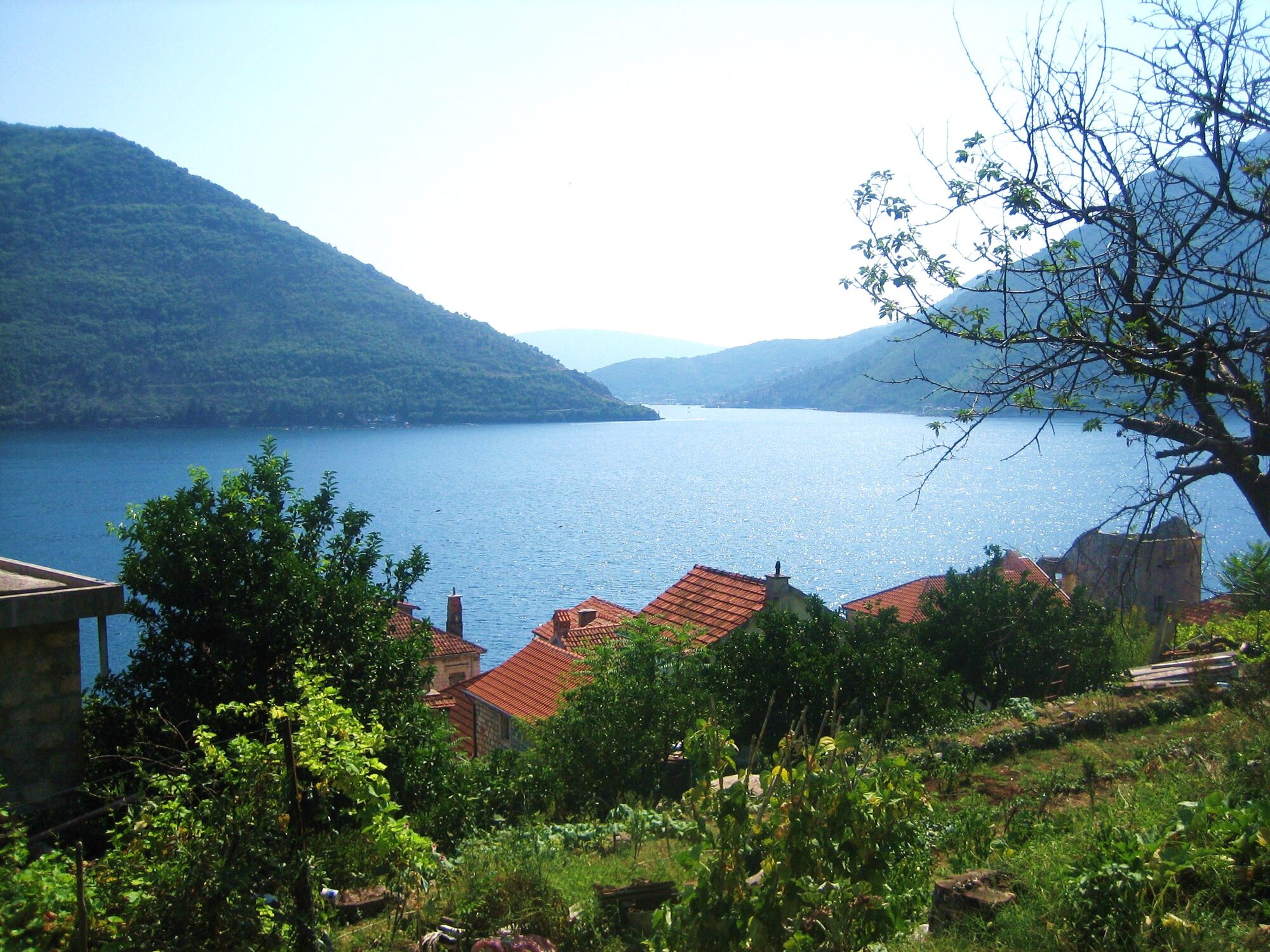
The Bay of Kotor covers 87.3 square kilometres with 105.7 kilometres of coastline and a maximum depth of 68 metres, and it is promoted by Montenegro's national tourism board as one of the ten most beautiful bays in the world. [1]
From Perast, small boats cross to Our Lady of the Rocks, an artificial islet built up over centuries around a reef where, local tradition holds, sailors once left stones on their return from sea. The town itself has no beach and only a few hundred residents, which is precisely why it rewards an unhurried stop rather than a photo stop on the way to Kotor's old town.
Crossing the border since the Entry/Exit System went live
The EU's Entry/Exit System became fully operational across the 29 participating European countries on 10 April 2026, replacing manual passport stamping with an automated record of each entry and exit for non-EU nationals. [2]
Croatia is in the EU and in Schengen; Montenegro is in neither, which makes the Karasovići (Croatian side) – Debeli Brijeg (Montenegrin side) post a full external Schengen border, not a formality. On a first crossing after the system went live, a non-EU traveller can expect a facial image and, for most adults, fingerprints taken and logged against their passport rather than a stamp added to it. EU, EEA and Swiss citizens are not enrolled in the system and continue to cross on a passport or national ID card.
- The main crossing is Karasovići / Debeli Brijeg on the coastal highway; a smaller, quieter post at Vitaljina / Konfin serves cars and pedestrians but not buses or lorries.
- Queues build fastest from mid-morning through the afternoon in July and August as day-tour buses from Dubrovnik head for Kotor and Budva.
- A valid passport is required for non-EU, non-EEA travellers; Montenegro does not accept a national ID card from outside the EU/EEA/Switzerland.
- There is no stamp to check on the way out anymore — the record now lives in the Entry/Exit System, so keep boarding passes or other proof of your entry date if a stay's length is ever in question.
Planning the rest of the trip
Two or three days lets the drive breathe: a night in Cavtat or Dubrovnik before crossing, a night in Herceg Novi or Kotor afterwards, and a full day free for Perast and the old town's fortress walls. Treat the border wait as part of the day's plan rather than an unplanned delay, and build in the buffer on any day that includes a flight, since a queue that runs long is the main way this itinerary goes wrong. Travellers building a longer Adriatic loop can pair this crossing with a broader look at how to travel around Europe, or check current entry rules for the wider trip in Meridian's first-trip planning guide before flying. For another coastal drive with its own seasonal timing quirks, see the Isle of Skye guide.