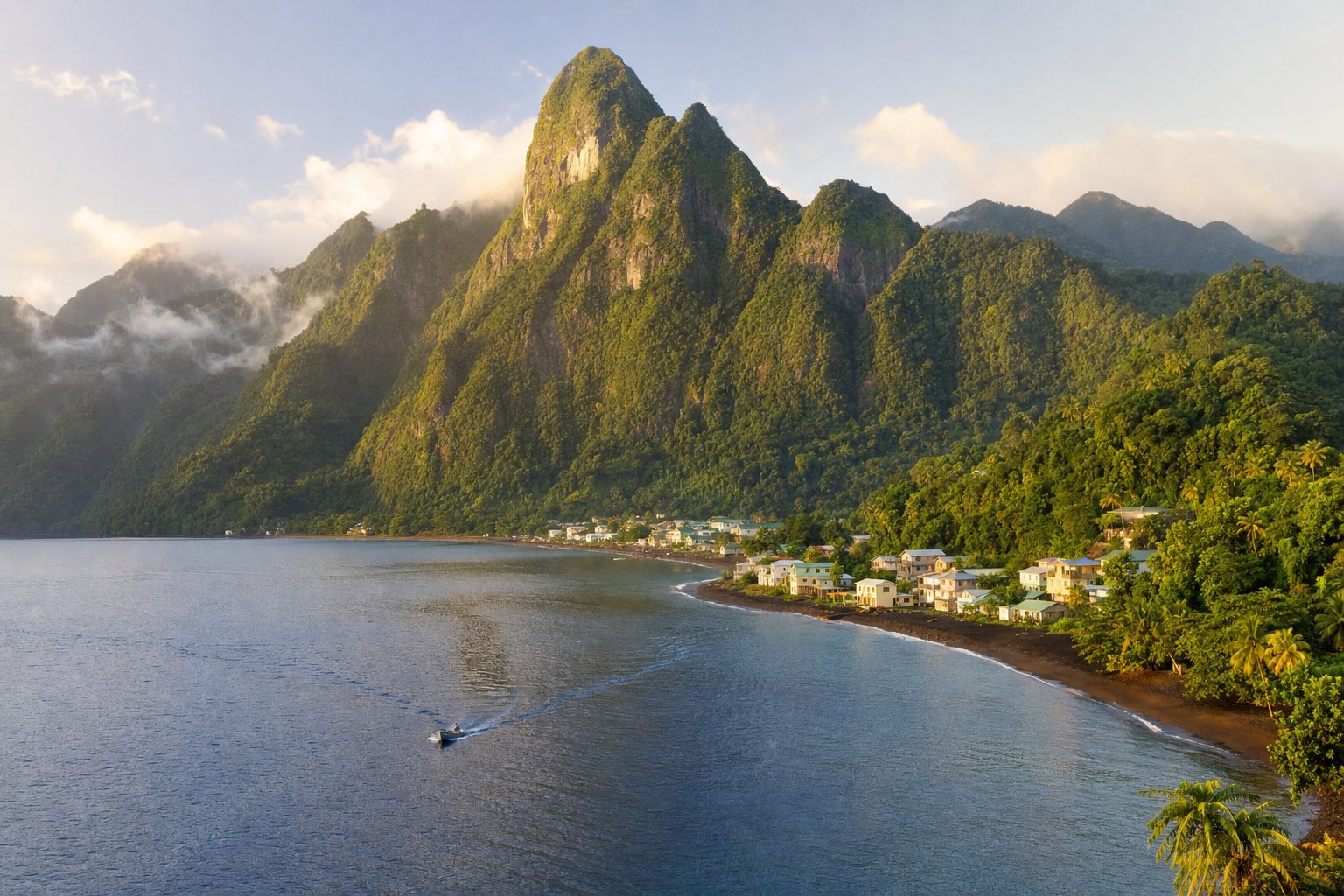
Sugiton is not a beach day that benefits from a last-minute dash. It is a limestone cove in the Calanques National Park whose summer pressure is serious enough for the park to limit numbers in spring and summer. The useful plan begins before the walk: see whether a free booking is required, then make the next day’s fire decision part of the evening routine.
That order—permission, conditions, then route—keeps the day practical and less extractive. It also leaves space for a sensible alternative if access is closed, rather than treating the cove as an entitlement. For another coastal visit shaped by real-world limits, Meridian’s Mont Saint-Michel guide is a helpful companion read.
Start with the booking and the fire map
The Calanques National Park’s Sugiton guidance says that access is limited in spring and summer and permitted only with a prior, free booking during those periods. Check the park’s current booking information directly rather than relying on a saved confirmation from a different date or a social post.
From 1 June to 30 September, Bouches-du-Rhône forest access is regulated for fire risk. The park says prefectural services publish the next day’s status between 5pm and 6pm; on a red day, land access to the Calanques is forbidden. [2]
The fire check belongs at the end of the day before, not beside the trailhead. The park directs visitors to the My Calanques app or the Prefecture information it links to for live conditions. If the status rules out a walk, keep the booking and transport plans flexible and choose a city-based Marseille day instead. There is no responsible workaround for a closure.
Use Luminy as the calmest starting point
The national park identifies Domaine de Luminy as Sugiton’s main gateway and recommends the B1 bus—or evening 521—to Luminy–PN des Calanques, noting that car parks are often full. From that stop, it estimates around 30 minutes to the lookout and 45 minutes to the calanque. Those are orientation times, not a promise about heat, crowds or the pace of a particular group.
Marseille Tourism describes two descending options from the pass: a longer DFCI track and a shorter route marked with three red dots that is steep, slippery and stony. The latter is not a shortcut to use for a tight timetable. A more conservative choice is to leave enough time for the return, carry water, and treat the belvedere as a complete destination if the descent or conditions do not feel right.
Let the protection rules shape the day
The park’s land regulations are refreshingly direct: stay on marked trails, take rubbish away, do not light fires or smoke, and do not fly drones. They also prohibit parking motor vehicles in natural areas and driving off official roads. These are not decorative guidelines; they are the terms that make a heavily visited cove possible to share.
The Calanques National Park forbids walking off marked trails, gathering flora, disturbing wildlife and camping. It advises checking My Calanques for live closure alerts before visiting. [3]
A low-impact visit therefore has a deliberately modest shape: arrive by public transport where possible, keep to the marked route, bring everything needed for the return, and leave with every item brought in. For a different French city-and-coast pairing, Meridian’s small-museums guide to Paris can help build an unhurried second stop into a wider itinerary.
A Sugiton day that leaves room to turn around
- The evening before: check whether the park requires the free Sugiton booking and read the next-day fire-risk status after the afternoon update.
- Morning: take the Luminy route, carrying water and a snack, and allow the lookout to be the day’s main objective if conditions are hot or the path is busy.
- At the pass: choose the descent only if the route, energy and return time still work; do not use a steep path to recover a late start.
- On the way out: take all litter away, stay on the marked track and keep the plan flexible enough to respect any closure or ranger instruction.
The most rewarding version of Sugiton is not the one that claims the most sand time. It is the one that has room for the park’s booking system, a changeable fire decision and a slower walk back to Luminy—leaving the cove more than a backdrop for the next visitor.