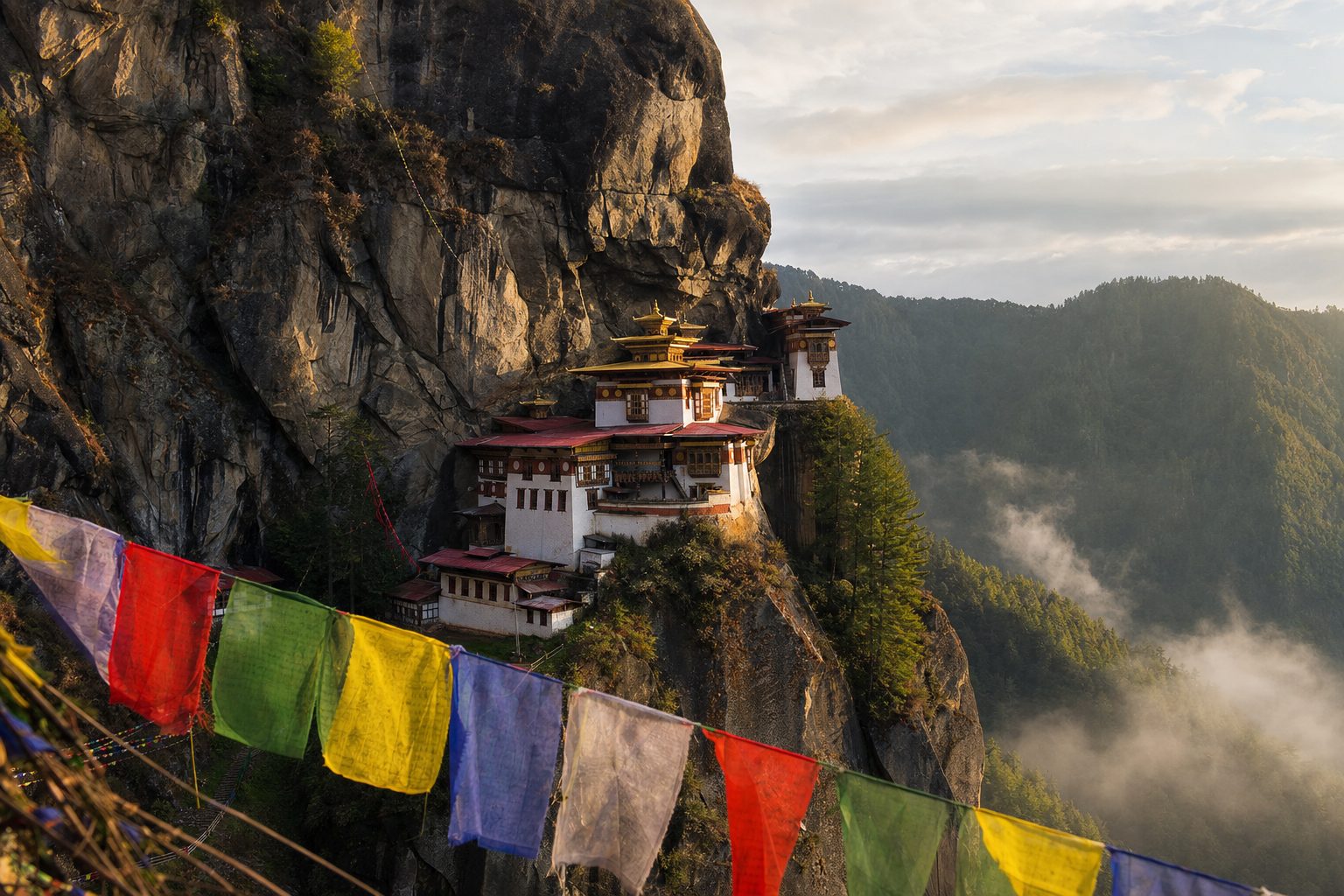

Machu Picchu deserves its fame. It also, on a busy morning, feels like a train station with a view. The revelation of the Peruvian Andes waits on the trails around it — the terraced hillsides of the Sacred Valley, where farmers still work fields the Inca laid out, and where you can walk for an hour without meeting another traveller.
Machu Picchu is a UNESCO World Heritage Site, recognised for both its cultural and natural significance since 1983. [1]
Acclimatise first — this is not optional
Cusco sits at roughly 3,400 metres. Fly in and start trekking the same day and altitude sickness will find you. Give yourself two or three easy days in the valley, which is lower and gentler, before you climb. Drink coca tea, walk slowly, and let your body catch up with your ambition.

The walks worth doing

- Pisac — Inca terraces stacked above a Sunday market that is still a real market, not a performance.
- Maras & Moray — salt pans and concentric agricultural terraces, best linked on foot or by bike.
- Ollantaytambo — a living Inca town and the gateway to the Machu Picchu train.
- The Lares route — a lower-key alternative to the Inca Trail, through weaving villages and high passes.
The ruins tell you what the Inca built. The trails tell you how their descendants still live.
— Diego Rojas
Travelling with respect
These are living communities, not open-air museums. Ask before photographing people, buy directly from weavers, and hire local guides. For more trips in this spirit, see our adventure collection.
Where to Eat
Four Sacred Valley tables, from a world-ranked altitude-tasting-menu destination to unbeatable-value Ollantaytambo classics.

MilAndean haute cuisine by altitude — Moray
A destination restaurant beside the Moray agricultural terraces at 3,500m, serving an eight-course tasting menu built around ingredients from different Andean altitude ecosystems.
Why it’s so good: Ranked #49 on Latin America's 50 Best Restaurants 2025, the Sacred Valley venture from Central's Virgilio Martínez and Pía León.
Top picks: Potatoes, stems, chaco clay and wild chincho · Alpaca, black quinoa and tree tomato

El AlbergueZero-mile Andean farm-to-table — Ollantaytambo
A boutique-hotel restaurant right on the Ollantaytambo train platform, with trains to Machu Picchu passing as you eat, cooking with produce from its own farm.
Why it’s so good: Widely regarded as the best-known restaurant in Ollantaytambo, with a 'zero-mile' sustainability philosophy and its own on-site distillery.
Top picks: Caihua rellena (stuffed gourd) · Traditional Pachamanca · Alpaca steak

Amanto — Cocina SagradaAndean cuisine, contemporary technique — Ollantaytambo
A relatively humble, characterful eatery on the Plaza de Armas blending traditional recipes with modern technique and local ingredients.
Why it’s so good: Described as the single favourite meal in Ollantaytambo and one of the best in all of Peru — five-star food at an unbelievably reasonable price.
Top picks: Causa Acevichada · Alpaca carpaccio · Quinoa-encrusted shrimp

Cuchara de PaloPeruvian tradition with a contemporary twist — Pisac
Set inside the Pisac Inn overlooking the main plaza, with a dining room fireplace, patio, and plaza-view balcony, cooking with local, fresh, seasonal ingredients.
Why it’s so good: A long-running plaza-front option in Pisac praised for local, seasonal Andean cooking across multiple dining atmospheres.
Top picks: Ají de gallina · Lamb seco with rustic purée · Alpaca fillet in wine sauce with quinotto